 By admin
 Have you ever found yourself nodding politely while a well-meaning relative extols the virtues of a new ‘wonder cure’ they discovered online? Perhaps it was a relative like ‘Grandma Carol,’ who, at a recent family gathering, enthusiastically shared tales of her daily, pungent herbal brew. While her intentions were good, she confessed a slight apprehension, knowing her doctor cautioned against relying on unverified internet remedies. This scenario is common because the desire to proactively manage one’s health is powerful and deeply human.
In this article, we aim to cut through the noise. We’ll explore the increasingly popular cinnamon, garlic, ginger, and onion infusion with a balanced, evidence-based perspective. Our goal is to provide clear, trustworthy information, devoid of sensational claims or unnecessary alarm. By the end, you’ll gain a comprehensive understanding of what this natural blend entails, what scientific research truly indicates about its individual ingredients, and how to approach its use responsibly. We’ll also reveal a key insight often overlooked, which could help you manage expectations and optimize your wellness journey.
🌿 What Exactly Is the Cinnamon, Garlic, Ginger, and Onion Infusion?
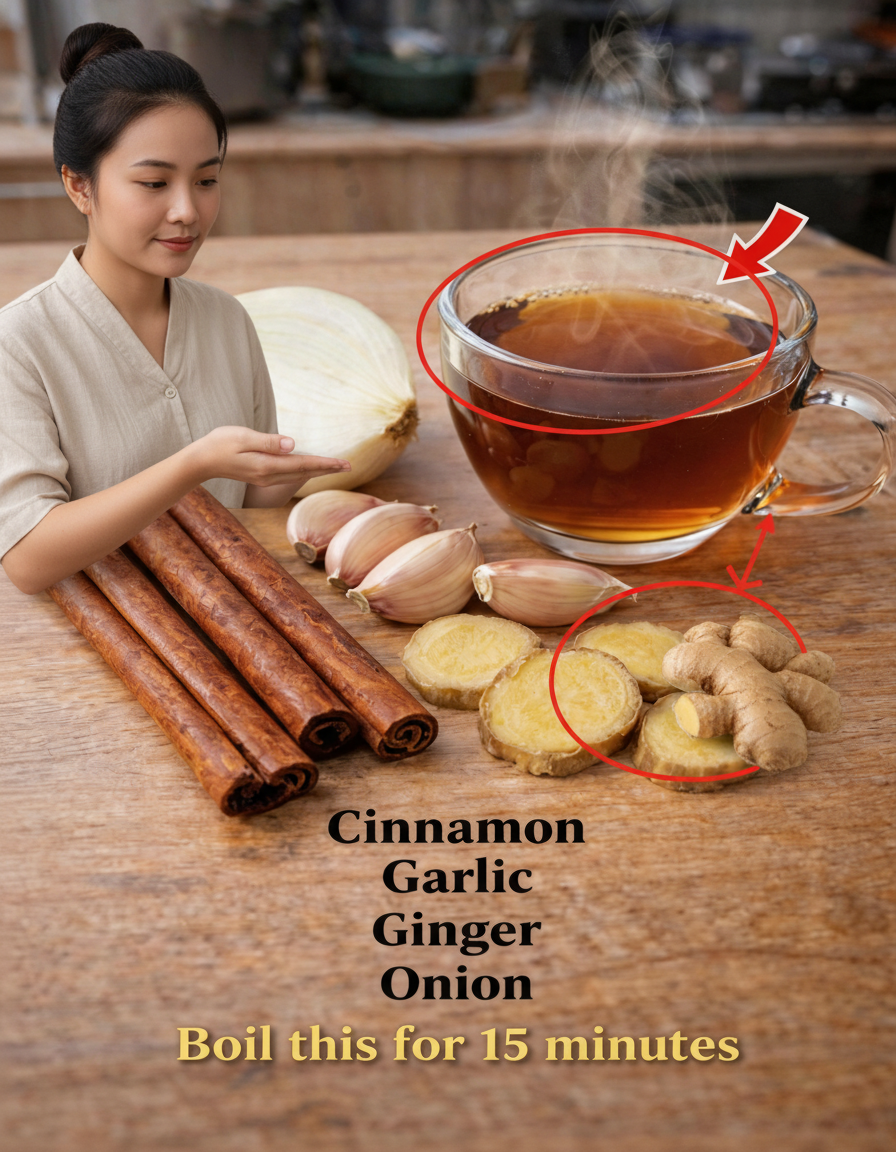
This particular ‘wellness drink’ or ‘herbal decoction’ is essentially a simple preparation: water that has been brought to a boil with a combination of common culinary staples such as cinnamon sticks, fresh garlic cloves, ginger root, and onion. Occasionally, additional ingredients like lemon or cloves are incorporated to enhance flavor or perceived benefits. The fundamental concept behind this (facebook.com) homemade brew is to create a savory, aromatic liquid intended for consumption throughout the day.
However, it’s crucial to approach the extensive claims circulated across various online platforms with a healthy dose of skepticism. Many posts tend to exaggerate, suggesting this blend acts as a ‘natural antibiotic’ or an all-encompassing remedy for inflammation. Such assertions often lack robust scientific validation, underscoring the importance of informed caution. Here’s a summary of what credible research suggests about the individual components:
🔎 Decoding the Science: What Research Says About the Core Ingredients
- Garlic & Ginger: Clinical studies have indicated that compounds present in both garlic and ginger possess notable anti-inflammatory and antioxidant properties when consumed as part of a regular diet (healthline.com).
- Cinnamon: Research implies that specific components found in cinnamon may contribute to healthy metabolic processes and support antioxidant activity, particularly when integrated into a balanced nutritional plan (timesofindia.indiatimes.com).
- Onion: Onions are a rich source of quercetin and other beneficial flavonoids, which are known to contribute significantly to the body’s overall antioxidant intake (Facebook).
👉 Important Caveat: Despite these individual ingredient benefits, there is currently no conclusive scientific evidence to suggest that simply boiling these items together in water creates a miraculous cure for diseases or can serve as a substitute for professional medical treatment.
🧠 Individual Contributions: Cinnamon vs. Garlic vs. Ginger vs. Onion
To provide a clearer understanding, here’s a breakdown of what each ingredient may offer to your overall wellness when consumed regularly within a varied diet:
| Ingredient | Key Bioactive Compounds | Potential Dietary Effects | Scientific Context |
|---|---|---|---|
| Garlic | Allicin | Supports antioxidant defense mechanisms. | Linked to markers of anti-inflammatory activity in preliminary studies; not a medical treatment replacement (Healthline). |
| Ginger | Gingerols & Shogaols | Aids digestion and exhibits mild anti-inflammatory properties. | Shown to reduce certain inflammation markers in research (Healthline). |
| Cinnamon | Cinnamaldehyde | Provides potent antioxidants. | Research suggests a positive influence on metabolic health when consumed regularly as part of diet (The Times of India). |
| Onion | Quercetin | Contributes to dietary antioxidant and anti-inflammatory support. | A staple in heart-healthy dietary patterns (Facebook). |
⚠️ Crucial Understanding: The beneficial effects highlighted above are primarily associated with the consistent dietary intake of these ingredients as part of a holistic, healthy eating regimen, rather than from merely sipping a single, isolated concoction.
🥄 Crafting the Infusion: A Safe and Thoughtful Approach
If you appreciate the comforting ritual of preparing and enjoying a warm, spiced beverage, here’s a gentle and straightforward method to create this infusion. Please remember, this is best viewed as a culinary tradition or a soothing drink, not a substitute for prescribed medical therapy.
You will need:
- Water (approximately 4–6 cups)
- 1–2 cinnamon sticks
- 2–3 garlic cloves, gently cracked
- 1–2 thin slices of fresh ginger root
- ¼–½ onion, thinly sliced
- Optional: Fresh lemon slices, for added zest and flavor
Simple Steps:
- Pour the measured water into a saucepan and place it over medium heat.
- Carefully add the cinnamon sticks, cracked garlic cloves, ginger slices, and onion slices to the pot.
- Bring the mixture to a gentle boil, then reduce the heat significantly and allow it to simmer for approximately 15 minutes (Facebook).
- Strain the liquid to remove the solids, then enjoy your warm infusion throughout the day.
💡 Important Health Advisory: If you are currently taking any medications, particularly blood thinners or other prescriptions, it is imperative to consult with your healthcare provider or clinician before incorporating herbal blends like this into your regular routine. This precaution ensures there are no potential interactions or adverse effects.
🧠 Enduring Wellness Strategies for Older Adults (Physician-Endorsed)
Let’s shift our focus to what truly makes a profound difference in long-term health and vitality. Medical professionals consistently emphasize that overall lifestyle choices yield the most significant, evidence-backed benefits for longevity and well-being:
- Stay Active: Engaging in regular, gentle physical activity is paramount for maintaining cardiovascular health, improving circulation, and supporting joint flexibility as you age.
- Prioritize a Balanced Diet: The foundation of good health lies in a diverse plate rich in vegetables, whole grains, lean proteins, and healthy fats. This comprehensive approach far surpasses the impact of any single drink or supplement.
- Maintain Optimal Hydration: Consuming adequate amounts of water throughout the day is essential for nearly every bodily function, from nutrient transport to temperature regulation.