 By admin
 Unveiling the Hidden Chemicals in Nail Polish: Your Guide to Safer Choices and Healthier Nails
For countless individuals, applying nail polish is a cherished ritual, offering a quick confidence boost and a touch of personal flair. However, beyond the vibrant hues and glossy sheen, the formulation of many conventional nail polishes contains ingredients that may penetrate deeper than the nail surface, potentially impacting your overall health in subtle yet significant ways. This prospect can be concerning, especially given the frequent reapplication of polish, which can lead to cumulative exposure over time. The good news is that by gaining a clearer understanding of these components, you can empower yourself to make informed decisions that prioritize your well-being. This guide will help you navigate the world of nail polish ingredients and discover healthier options.
Key Chemical Ingredients Often Found in Nail Polish
To achieve their characteristic durability, shine, and smooth application, most nail polishes are crafted from a blend of solvents, film-forming resins, and plasticizers. A prominent example is triphenyl phosphate (TPHP), frequently incorporated to enhance the polish’s flexibility and longevity. Scientific investigations, including notable research from Duke University, have shed light on how these substances interact with the human body. One particular study observed a significant rise in a TPHP-related metabolite in participants’ systems shortly after they applied nail polish containing this compound. This finding underscores the potential for everyday cosmetic products to exert subtle physiological effects. Beyond TPHP, other concerning ingredients often present in certain formulations include formaldehyde, toluene, and dibutyl phthalate (DBP). Collectively known as the “toxic trio,” these chemicals contribute to hardening, solvent properties, and flexibility, respectively.
Understanding How Nail Polish Chemicals Are Absorbed
Contrary to popular belief, the nail plate and surrounding tissues are surprisingly permeable, serving as potential entry points for various substances. When nail polish is applied, chemicals can enter the body through multiple pathways. Volatile organic compounds (VOCs) can readily evaporate into the air and be inhaled, while other ingredients may be absorbed directly through the nail and into the bloodstream. The aforementioned Duke University study provided compelling evidence of this absorption, reporting a substantial increase in TPHP metabolite levels within mere hours of application. Specifically, serum concentrations of the metabolite escalated almost sevenfold in women tested within 10 to 14 hours. This isn’t merely a hypothesis; it’s a scientifically observed phenomenon. Given that nails are composed of keratin, they naturally permit the diffusion of small molecules over time. Crucially, the frequency of application plays a significant role; regular touch-ups or weekly manicures can lead to a considerable cumulative chemical exposure that warrants attention.
Potential Health Implications of Certain Nail Polish Ingredients
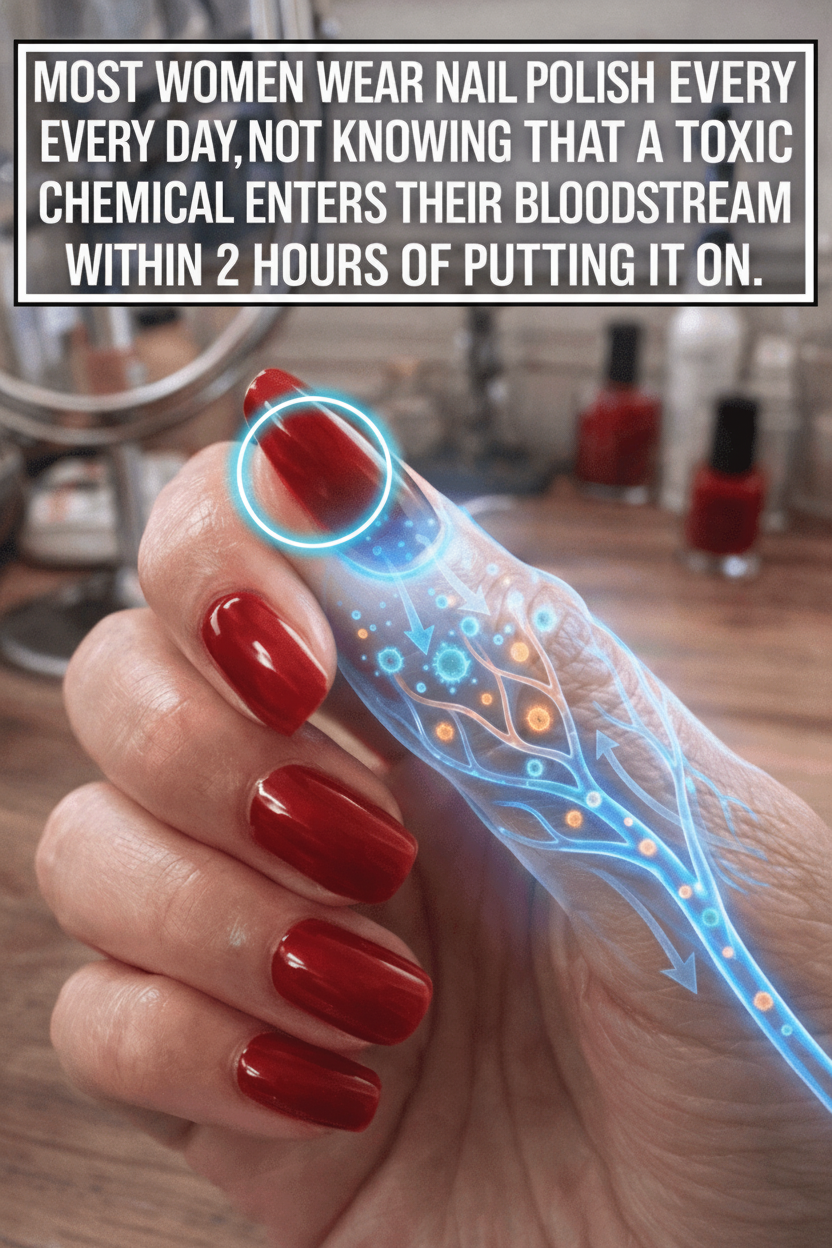
While the aim is not to incite alarm, understanding the potential connections between nail polish chemicals and health can enable more informed choices. For example, TPHP has been identified in some scientific literature as an endocrine disruptor, implying its potential to interfere with the body’s delicate hormonal balance. Organizations such as the Environmental Working Group (EWG) have highlighted research suggesting that consistent exposure to such compounds might be linked to a range of wellness considerations. It’s important to acknowledge that individual reactions can differ significantly, influenced by personal health status and application frequency. Toluene, another widely used ingredient, has been associated with acute effects like dizziness when exposure occurs at high concentrations, although typical cosmetic use involves much lower levels. Formaldehyde, often found in nail hardeners, is recognized as a potent irritant, potentially causing discomfort for individuals with sensitive skin or respiratory issues. Ultimately, while these concerns are documented in scientific studies, adopting a mindful approach and making educated decisions can significantly help in mitigating potential risks.
Exploring Safer Nail Polish Options for Your Beauty Routine
Embracing healthier nail care choices doesn’t necessitate compromising on aesthetics or vibrant color. A growing number of brands now provide “free-from” formulations specifically designed to exclude the “toxic trio” and other potentially harmful ingredients. When shopping, prioritize labels that proudly state “5-free,” “7-free,” or even “10-free,” as these designations signify the omission of specific chemicals like TPHP, formaldehyde, toluene, DBP, and others. Another excellent alternative is water-based nail polish, which utilizes water as its primary solvent, offering a gentler experience compared to traditional chemical-heavy formulas. While these may require a slightly longer drying time, they present a significantly less irritating option. Furthermore, natural resin-based polishes, derived from sustainable plant sources, are emerging as popular choices due to their considerably lower chemical content. A crucial tip for any polish application: always ensure you’re in a well-ventilated area to reduce the inhalation of any airborne compounds.
Practical Steps to Minimize Chemical Exposure from Nail Polish
Incorporating minor adjustments into your beauty regimen can yield substantial benefits for your health. Consider these actionable steps to significantly reduce your exposure to potentially harmful nail polish chemicals:
- Scrutinize Ingredient Labels: Always take the time to review the ingredient list before purchasing. Actively seek to avoid products containing TPHP, DBP, toluene, formaldehyde, and camphor.
- Prioritize Certified Clean Brands: Opt for nail polishes that have been verified by reputable third-party organizations, such as the Environmental Working Group (EWG) with their “EWG Verified” seal, or those boasting other recognized clean beauty certifications.
- Limit Frequency of Application: Reduce how often you apply nail polish. Giving your nails “breather” periods allows them to recover and minimizes continuous chemical exposure.
- Ensure Proper Ventilation: Always apply and remove nail polish in a well-ventilated space, ideally near an open window or with an exhaust fan running, to disperse fumes and reduce inhalation.
- Store Properly: Keep nail polish bottles tightly sealed and stored in a cool, dark place to prevent evaporation of volatile chemicals.