 By admin
 Urgent Eye Care: When Sudden Eye Floaters, Flashes, or Shadows Demand Immediate Attention
Observing small, drifting specks in your field of vision can be disconcerting. However, when these “floaters” manifest abruptly, increase rapidly in number, or are accompanied by streaks of light or a dark, curtain-like obstruction in your sight, the level of concern escalates quickly. Many individuals might initially dismiss these symptoms as mere fatigue or stress, only to discover later that they required prompt medical evaluation. The reassuring news is that understanding key warning signs and knowing the appropriate actions within the critical first 24 hours can significantly impact your eye health outcome. Pay close attention to a crucial, often overlooked indicator mentioned towards the end of this guide.
Decoding Eye Floaters: What You Need to Know
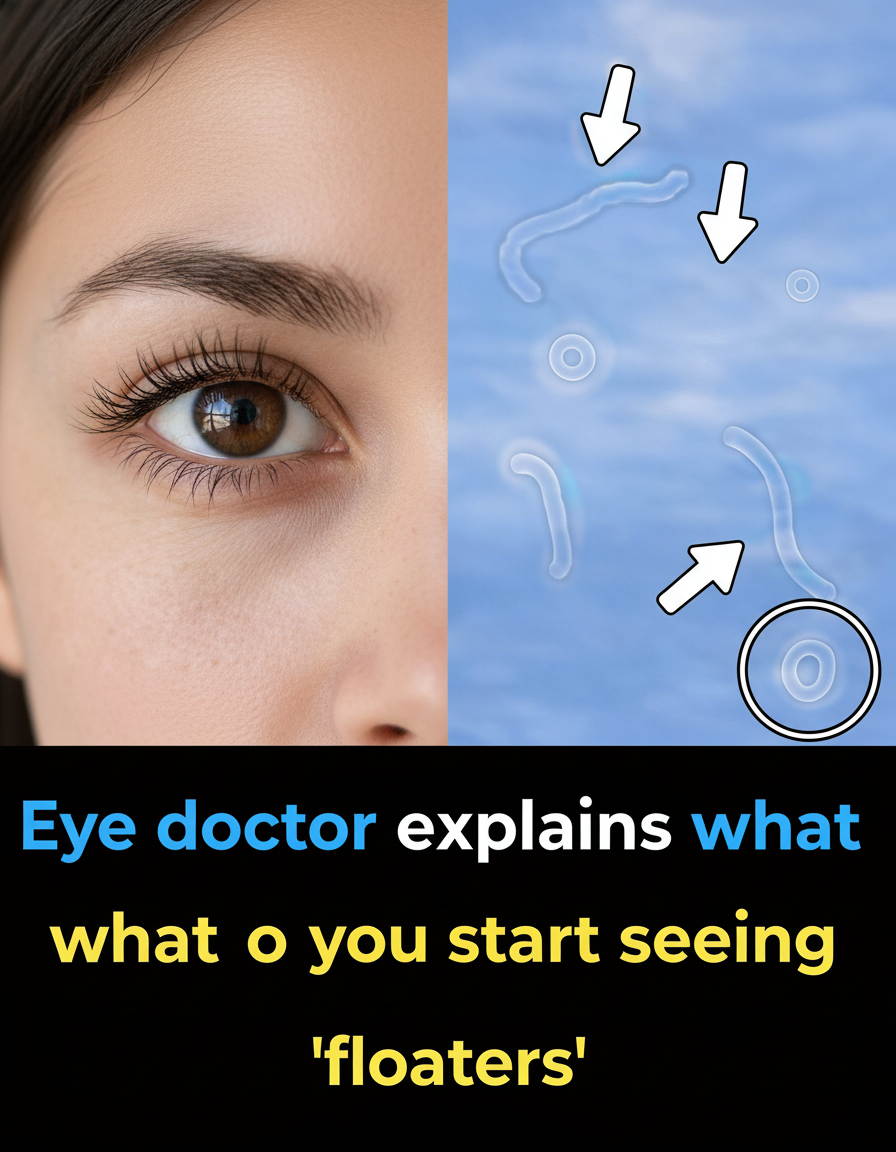
Eye floaters, scientifically known as vitreous floaters, are tiny visual anomalies that appear to drift across your line of sight. They can manifest in various forms, such as:
- Minute black or gray dots
- Delicate, cobweb-like strands
- Translucent squiggly lines
- Small, indistinct shadowy spots
These shapes move in tandem with your eye movements and often become more prominent against bright, uniform backgrounds, like a clear blue sky or a white wall. The interior of your eye contains a clear, gel-like substance called the vitreous humor. Over time, this gel can naturally shrink or develop small clumps. These clumps cast faint shadows onto the retina, which is the light-sensitive tissue located at the back of your eye. These shadows are precisely what you perceive as floaters. In most instances, floaters are benign and gradually become less bothersome as your brain learns to filter them out. Indeed, many ophthalmologists confirm the brain’s remarkable ability to adapt to stable floaters over time. Nevertheless, this isn’t always the case, and certain changes warrant immediate attention.
Critical Red Flags: When Floaters Signal an Emergency
According to expert eye health guidelines from reputable institutions such as University of Utah Health, a sudden and significant alteration in the nature of your floaters can indicate a more serious underlying condition, potentially including a retinal tear or even a retinal detachment. It is imperative to seek urgent eye care within 24 hours if you experience any of the following:
- An abrupt surge in the number of new dark spots or floaters
- The appearance of flashes of light in the affected eye, particularly noticeable in dim lighting conditions
- A distinct shadow, gray curtain, or dark area obscuring a portion of your vision
- Rapid and noticeable changes in the appearance or behavior of existing floaters
These symptoms can be warning signs that the retina is undergoing stress, being pulled, or has already sustained a tear. Retinal issues are time-sensitive medical emergencies. Prompt evaluation and intervention can be crucial in preventing further vision loss or permanent complications. Even if the symptoms seem minor, timely assessment is paramount.
Urgent Action vs. Scheduled Check-up: A Clear Distinction
To clarify when immediate action is necessary, consider these guidelines:
Seek Emergency Care Immediately If You Experience:
- The sudden onset of numerous new floaters
- Flashes of light in one eye
- A shadow or a curtain-like obstruction covering part of your visual field
Do not delay. Contact an eye specialist or emergency medical services within 24 hours. This is a critical window for preserving your vision.
Monitor and Schedule an Appointment Soon If You Notice:
- Only one or two small, isolated floaters
- No accompanying flashes of light
- No shadow or blockage affecting your vision
- No significant changes in the floaters over a short period
In such cases, schedule a non-urgent appointment with an ophthalmologist within a few days. When in doubt about the severity of your symptoms, always err on the side of caution and get them checked by a professional. It is always better to proactively rule out a serious condition than to assume everything is normal.
What to Expect During Your Urgent Eye Consultation
When you visit an ophthalmologist for concerns about floaters, they will typically administer dilating drops into your eyes. These drops widen your pupils, allowing the doctor a comprehensive view of your retina and vitreous. They will meticulously examine these structures for any signs of tears, bleeding, or detachment. While the dilating drops may cause temporary blurry near vision and increased light sensitivity for several hours, the examination itself is generally painless. Most sudden floaters are attributed to a common age-related condition called posterior vitreous detachment (PVD). Research published in peer-reviewed ophthalmology journals indicates that PVD is prevalent after the age of 50 and frequently resolves without causing long-term visual impairment. However, a thorough evaluation ensures that no more serious condition is overlooked.
The Science Behind Flashes of Light in Your Vision
Flashes of light occur when the vitreous gel gently pulls or rubs against the retina. The retina, interpreting this mechanical stimulation, registers it as light, even when no actual light stimulus is entering the eye. These flashes can appear as:
- Brief, lightning-like streaks
- Quick camera flashes in your peripheral vision
- Flickering lights, especially in dark environments
Occasional, fleeting flashes that quickly subside are often harmless. However, persistent flashes, particularly when they appear alongside new floaters, necessitate prompt ophthalmological evaluation.
Immediate Steps When You Spot New Floaters
If you suddenly notice new floaters or visual disturbances, follow these practical steps:
- Remain Calm but Observe Carefully: Note precisely when the symptoms began, the quantity of floaters, whether they are increasing, and if any flashes or shadows are present. Documenting these details can be helpful.
- Test Each Eye Separately: Cover one eye, then the other. This helps pinpoint whether the symptoms are confined to one eye or affecting both.
- Avoid Self-Diagnosis: Online forums and anecdotal information can be misleading and may cause unnecessary anxiety or provide false reassurance. Every individual case is unique.
- Seek or Schedule Care Based on Severity: Refer to the “Urgent Action vs. Scheduled Check-up” guide above to determine the appropriate course of action.
Do Floaters Disappear Spontaneously?
Often, yes, benign floaters can become less noticeable over time as they settle to the bottom of the vitreous or as your brain adapts to their presence. However, floaters that signal a retinal tear or detachment will not simply disappear on their own. These require immediate medical intervention to prevent potential permanent vision loss. Therefore, it’s crucial to distinguish between harmless floaters and those that indicate a serious underlying condition.”
}
“`