 By admin
 Uterine Fibroids: Unraveling the Mystery – Causes, Symptoms, and Essential Lifestyle Habits for Women’s Health
Many women experience unexpected changes in their bodies that can lead to confusion, frustration, or even a sense of shame. Imagine a woman, approaching her late 40s, who diligently maintains a healthy lifestyle—eating nutritious foods, exercising daily, and avoiding processed junk. Yet, she finds herself quietly grappling with unusually heavy menstrual bleeding, feeling embarrassed by the sudden need for extra sanitary supplies. Her question echoes a common sentiment: “What did I do wrong?”
The surprising truth is that even individuals committed to the healthiest routines can still develop uterine fibroids. These non-cancerous growths are far more common than many realize, often emerging without clear warning signs. This article aims to demystify uterine fibroids, exploring their nature, the multifaceted reasons behind their development, and crucial lifestyle habits that can support overall hormonal balance and well-being.
Understanding Uterine Fibroids: What They Are and Their Often Silent Presence
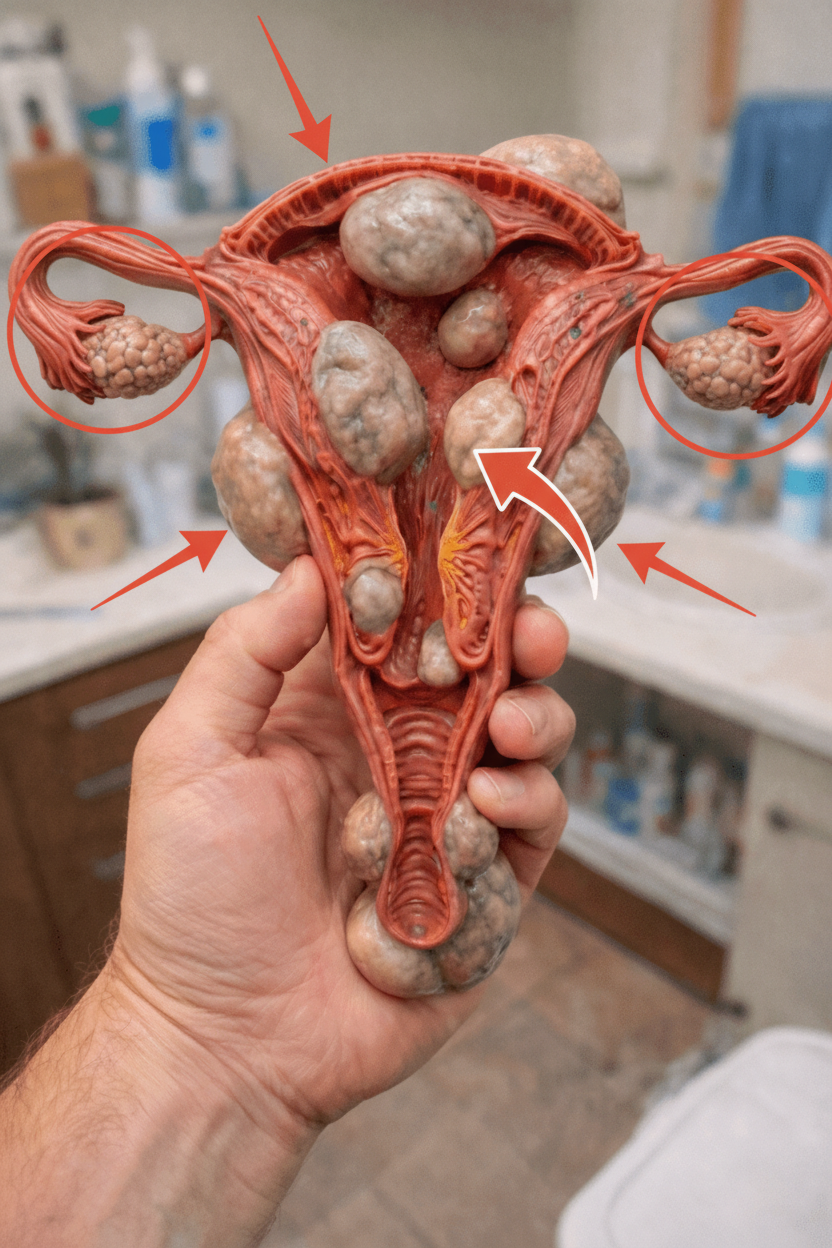
Uterine fibroids, medically known as leiomyomas, are benign (non-cancerous) growths composed of muscle tissue that develop within or on the uterus. What makes them particularly perplexing is their diverse presentation. Some fibroids remain remarkably small, causing no noticeable symptoms for years, often going undetected until a routine medical examination.
However, as fibroids grow, they can trigger a range of symptoms that significantly impact a woman’s quality of life. These can include:
- Excessive Menstrual Bleeding: Periods become unusually heavy or prolonged.
- Pelvic Pressure or Pain: A feeling of fullness or discomfort in the lower abdomen.
- Increased Urinary Frequency: Fibroids pressing on the bladder can lead to more frequent urges to urinate.
- Mild Lower Back Discomfort: Pressure on surrounding nerves or organs can cause a dull ache.
- Extended Menstrual Cycles: Periods may last longer than typical.
The location of fibroids within the uterus also plays a significant role in the symptoms experienced. Here’s a breakdown of common types:
| Type of Fibroid | Location | Potential Impact |
|---|---|---|
| Intramural | Embedded within the muscular wall of the uterus | May cause the uterus to enlarge, leading to pressure and heavy bleeding. |
| Subserosal | On the outer surface of the uterus | Can press on nearby organs like the bladder or bowel, causing discomfort or urinary issues. |
| Submucosal | Protruding into the uterine cavity | Most frequently associated with very heavy and prolonged menstrual bleeding. |
Many women only discover they have fibroids incidentally during a routine gynecological check-up or an ultrasound for an unrelated concern. This often leads to the fundamental question: if I’m living a healthy life, why are fibroids still appearing?
The Complex Reality of Uterine Fibroid Development
While diet and lifestyle certainly play a role in overall health, attributing fibroid development solely to these factors is an oversimplification. Scientific research points to a more intricate interplay of biological and environmental influences.
Hormonal Dynamics: A Key Player
Fibroids are highly sensitive to the body’s primary reproductive hormones: estrogen and progesterone. These hormones, vital for regulating the menstrual cycle, can also stimulate the growth of fibroid cells. This hormonal connection explains several key observations:
- Fibroids predominantly emerge during a woman’s reproductive years, when hormone levels are highest.
- They may increase in size during pregnancy, a period of elevated hormone production.
- Conversely, fibroids often naturally shrink after menopause, as estrogen and progesterone levels decline significantly.
Even subtle fluctuations or imbalances in these hormones throughout a woman’s life may contribute to fibroid growth.
Genetic Predisposition and Family History
Genetics can significantly influence a woman’s susceptibility to fibroids. If your mother or sister has experienced uterine fibroids, your own risk may be elevated. Researchers have identified specific genetic patterns that appear to make uterine muscle cells more prone to forming these benign growths, suggesting a hereditary component.
The Link Between Body Weight, Insulin, and Fibroids
A factor that often surprises many is the connection between body weight and fibroid risk. Adipose (fat) tissue is not merely storage; it’s an active endocrine organ capable of producing its own estrogen. Higher levels of body fat can therefore lead to increased circulating estrogen, which in turn may foster fibroid growth in some women.
Furthermore, insulin resistance can also be implicated. Elevated insulin levels, often associated with metabolic imbalances, have been shown to stimulate cellular activity, including the proliferation of fibroid cells.
Environmental Influences: Endocrine Disruptors
In our modern world, we are increasingly exposed to environmental chemicals known as endocrine disruptors. These substances can mimic or interfere with the body’s natural hormones, potentially throwing the delicate hormonal balance out of sync. Common sources of endocrine disruptors include:
- Certain types of plastics (e.g., in food containers)
- Some cosmetics and personal care products
- Chemicals used in processed food packaging
While avoiding all exposure is challenging, understanding their impact underscores the importance of lifestyle choices in supporting the body’s natural detoxification and hormonal regulation systems.
Dietary Choices: Supporting or Challenging Hormonal Balance
It’s important to reiterate that diet alone doesn’t cause fibroids. However, dietary patterns can profoundly influence inflammation levels and the delicate balance of hormones within the body. Certain foods, consumed regularly, may exacerbate hormonal imbalances and inflammation.
Foods that may negatively impact hormonal health and inflammation include:
- Processed Meats: Often high in saturated fats and additives.
- Fried Foods: Can promote inflammation due to unhealthy fats.
- Refined Sugar and White Flour Products: Lead to rapid blood sugar spikes and can contribute to insulin resistance.
- Excess Alcohol: Can impair liver function, hindering its ability to metabolize hormones effectively.
Conversely, a diet rich in specific nutrients can be highly supportive of reproductive health and hormonal equilibrium. Research frequently highlights the benefits of incorporating:
- Leafy Greens: Such as spinach and kale, packed with vitamins and antioxidants.
- Berries: Rich in antioxidants that combat oxidative stress.
- Flaxseeds: A source of lignans, which can help modulate estrogen metabolism.
- Whole Grains: Provide fiber, aiding in hormone elimination and gut health.
- Beans and Lentils: Excellent sources of fiber and plant-based protein.
- Green Tea: Contains beneficial plant compounds with anti-inflammatory properties.
Adopting a plant-forward eating pattern can significantly contribute to reducing inflammation and fostering a more balanced hormonal environment. Crucially, the body’s ability to process and eliminate excess hormones is heavily reliant on one often-overlooked organ: the liver.
Empowering Daily Habits for Hormonal Harmony and Fibroid Management
While fibroids cannot always be entirely prevented, adopting specific daily habits can significantly empower women to support their overall hormonal health and potentially mitigate fibroid growth or symptoms.
Maintain a Balanced Weight
As discussed, excess body fat can contribute to higher estrogen levels. Even modest, sustainable weight management can play a crucial role in regulating estrogen. Effective habits include:
- Consistent Physical Activity: Engage in regular walking, cycling, or other forms of cardio.
- Light Strength Training: Helps build muscle mass, boosting metabolism.
- Balanced Meals: Focus on whole foods rich in fiber and lean protein to promote satiety and stable blood sugar.
Prioritize Liver Health: The Unsung Hero of Hormone Balance
The liver is instrumental in metabolizing and detoxifying hormones, including excess estrogen. When the liver is overloaded or sluggish, it can struggle to efficiently process hormones, potentially leading to imbalances. Supporting liver health is a pivotal, yet often overlooked, habit. Ways to nurture your liver include:
- Hydration: Drinking plenty of water aids detoxification pathways.
- Cruciferous Vegetables: Broccoli, cauliflower, and Brussels sprouts contain compounds that support liver enzymes.
- Limit Toxins: Reduce exposure to alcohol, processed foods, and environmental chemicals that burden the liver.
Manage Stress Effectively
Chronic stress triggers the release of cortisol, a hormone that can interfere with the delicate balance of other hormones, including estrogen and progesterone. Incorporating stress-reduction techniques into your daily routine is vital:
- Mindfulness and Meditation: Even short sessions can significantly reduce stress.
- Yoga or Tai Chi: Combine physical movement with calming breathwork.
- Adequate Downtime: Schedule time for hobbies and relaxation.
Ensure Adequate, Restorative Sleep
Sleep is a foundational pillar of health, essential for hormonal regulation and cellular repair. Insufficient or poor-quality sleep can disrupt the body’s natural rhythms and hormone production. Aim for 7-9 hours of quality sleep per night by:
- Establishing a Regular Sleep Schedule: Go to bed and wake up at the same time daily.
- Creating a Relaxing Bedtime Routine: Wind down with a book, warm bath, or gentle stretching.
- Optimizing Your Sleep Environment: Keep your bedroom dark, quiet, and cool.
Understanding uterine fibroids and the factors influencing their development can be profoundly empowering. While some elements like genetics are beyond our control, a holistic approach combining informed dietary choices, consistent physical activity, stress management, and particularly, supporting liver health, can significantly contribute to hormonal harmony and overall well-being. Always consult with a healthcare professional for personalized advice regarding fibroid management and treatment options.