 By admin
 Waking Up Parched? Uncovering the Causes and Implications of Nighttime Dry Mouth
Experiencing a dry mouth upon waking can be a truly uncomfortable sensation, leaving your tongue feeling sticky and your throat persistently parched. This common occurrence not only disrupts your restorative sleep but can also set a challenging tone for your entire day. While frequently dismissed, this nocturnal dryness, clinically known as xerostomia, can originate from straightforward daily habits or serve as a crucial indicator of underlying health conditions that warrant closer attention. Deciphering the various reasons behind this persistent dryness is the first step toward finding effective remedies and improving your overall well-being. Read on to discover actionable insights and a surprising tip that could transform your nightly routine.
Understanding the Basics of Nighttime Dry Mouth
Nocturnal xerostomia, the medical term for dry mouth at night, occurs when your salivary glands significantly reduce their output during slumber. Saliva is far more than just a lubricant; it’s vital for maintaining oral hygiene, initiating the digestive process, and crucially, safeguarding your teeth against decay and bacterial overgrowth. Data from reputable organizations such as the American Dental Association reveals that a substantial number of adults grapple with this issue, with its frequency often escalating with advancing age. The natural physiological slowdown of bodily functions during sleep, including saliva generation, is a primary reason this condition often manifests more acutely overnight. While this natural dip is normal, various contributing factors can exacerbate the sensation of dryness. The encouraging news is that many of these factors are well within your control and can be addressed with simple lifestyle modifications. Let’s explore the prevalent triggers that might be causing your nighttime oral discomfort.
1. Natural Changes with Age and Reduced Saliva Flow
With the natural progression of age, it’s common for salivary glands to become less active, leading to a noticeable decrease in overall saliva production, particularly during sleep cycles. Scientific investigations, including those published in esteemed periodicals like the Journal of Dental Research, indicate that individuals over 60 can experience a significant reduction—roughly 38-44%—in their resting saliva flow. While this age-related decline might not be debilitating in isolation, its combination with other daily practices can intensify the sensation of a dry, almost ‘sandy’ mouth upon waking. Should you observe this symptom with increasing regularity, systematically documenting its occurrence could be beneficial. This pattern might signal connections to wider aspects of your lifestyle. Interestingly, even minor adjustments to your daily hydration habits can yield considerable improvements.
2. Mouth Breathing and Related Sleep Issues
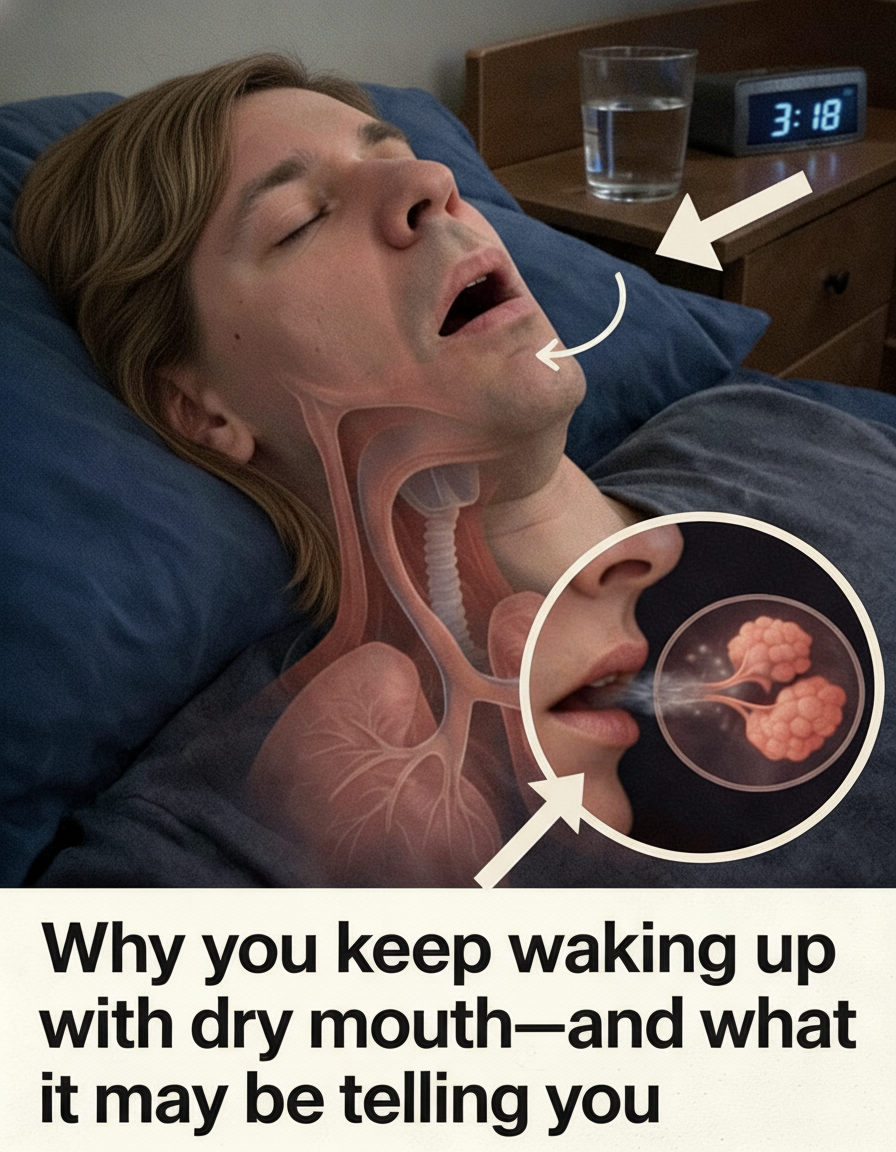
Opting to breathe through your mouth instead of your nose during sleep directly exposes the delicate oral tissues to ambient air, leading to rapid moisture evaporation. This habit is frequently associated with conditions such as chronic snoring or obstructive sleep apnea, where pauses in breathing compel the individual to open their mouth in an effort to secure sufficient oxygen. Beyond the oral discomfort, indicators like persistent fatigue upon waking or morning headaches, coupled with dryness, are red flags. Health authorities like the Cleveland Clinic emphasize that resolving underlying nasal congestion can be a key step. Implementing simple strategies, such as using saline nasal sprays prior to bedtime, can effectively promote healthier nose breathing. However, it’s crucial to consider that certain medications could also be contributing to this issue.
3. Side Effects from Common Medications
A surprising number of commonly prescribed medications list xerostomia as a potential adverse effect. Indeed, more than 500 different types of drugs, ranging from antihistamines for allergies to medications for high blood pressure or mood disorders, can impact saliva production. These pharmaceutical agents often interfere with the nerve pathways responsible for stimulating salivary gland activity. If you notice the onset of dry mouth symptoms coinciding with a new prescription, meticulous tracking of this timeline is advisable. Engaging in a candid conversation with your healthcare provider to explore potential alternative medications or dosage adjustments is a prudent course of action. While seeking long-term solutions, sugar-free chewing gum can offer temporary relief by stimulating saliva flow. Moreover, your daily and evening habits themselves might be unwitting contributors.
4. Dehydration and Evening Beverage Choices
Insufficient fluid intake throughout the day directly translates to reduced available liquid for saliva synthesis during the night. Furthermore, popular evening choices like caffeinated beverages and alcohol are known diuretics, actively promoting fluid loss from the body. Alcohol specifically can also relax throat muscles, potentially exacerbating mouth breathing. The use of tobacco products is equally detrimental, as they irritate salivary glands and diminish their functional output. Esteemed health organizations, including the Mayo Clinic, have extensively documented these significant correlations. To effectively combat this, prioritize consistent hydration across your day and consciously restrict the consumption of stimulants and dehydrating agents, especially in the hours leading up to sleep. Beyond lifestyle, sometimes dry mouth signals deeper health concerns.
5. Autoimmune Conditions Like Sjögren’s Syndrome
A range of autoimmune disorders can specifically target the body’s moisture-producing glands, resulting in chronic dryness not just in the mouth, but often in the eyes as well. Sjögren’s syndrome stands out as a prime example of such a condition, where the immune system mistakenly attacks these vital glands, frequently intensifying symptoms during nocturnal hours. Be vigilant for co-occurring indicators such as persistent joint discomfort, unexplained fatigue, or generalized pain. Prompt consultation with a rheumatologist or a specialist can offer crucial diagnostic clarity and guide appropriate intervention. While treatment often encompasses robust hydration protocols and the use of over-the-counter lubricants, it’s also important to recognize the role of metabolic health.
6. Links to Diabetes and Other Health Conditions
Systemic health issues, particularly diabetes, can significantly impact saliva flow. Elevated blood sugar levels characteristic of diabetes can impair the microvasculature and nerve function within the oral cavity, directly affecting salivary gland performance. This can also heighten the body’s susceptibility to dehydration, even in the absence of overt thirst. Furthermore, certain neurological conditions or previous traumatic injuries might also disrupt the intricate mechanisms of saliva production. Research published in prominent diabetes journals consistently corroborates these intricate links. Should persistent dry mouth be a concern, diligent monitoring of your overall health metrics and regular medical check-ups are strongly recommended. Remember, while underlying conditions are important, your daily lifestyle choices play an enormous role.
7. Impact of Smoking, Vaping, and Substance Use
The use of tobacco in any form, including traditional cigarettes and vaping devices, profoundly irritates the delicate tissues and glands within the mouth, leading to a marked reduction in saliva output. The chemicals present in these substances not only dry out the mouth but also contribute to long-term damage to salivary glands. Similarly, the recreational use of certain substances can have dehydrating effects or interfere with neurological signals critical for saliva production. These habits can significantly worsen existing dry mouth issues and complicate efforts to maintain good oral health. Prioritizing cessation or reduction of these substances is a critical step towards alleviating nocturnal dry mouth and improving overall well-being.
An Unexpected Tip for Lasting Relief
While addressing underlying causes is paramount, a surprisingly effective, yet often overlooked, strategy for immediate relief from nighttime dry mouth is to introduce a cool-mist humidifier into your bedroom. This simple device adds moisture to the air, helping to counteract the drying effects of breathing, especially if you’re prone to mouth breathing or live in an arid environment. Placing it near your bed can make a noticeable difference in your oral comfort by preventing excessive moisture evaporation during sleep. Remember, consistent hydration and professional medical advice remain crucial, but this small adjustment could significantly improve your sleep quality and morning comfort.