 By admin
 Ever caught a glimpse of those tiny, flat white spots on your arms or legs and thought, ‘What the heck is that?’ You’re not alone, pal. After years of living your best life outdoors or just grinding through the daily hustle, these little skin changes start popping up. They sneak in gradually, no itch, no pain, no drama – until your skin gets a tan, and suddenly, they’re practically screaming for attention. It can be a real head-scratcher, leaving you wondering what’s up with your precious skin, even if they’re usually totally harmless. But here’s the kicker: understanding these tiny white marks can actually bring some serious peace of mind. Plus, one everyday habit could totally change how noticeable they get. Stick with us, because we’re about to drop some knowledge on a common explanation that shocks loads of adults, and dish out simple ways to keep your skin’s appearance looking sharp.
What Do These Small White Spots Typically Look Like?
Let’s get real about what these white spots actually look like. We’re talking small, usually 2 to 5 millimeters across – think a pencil eraser head – showing up as flat, round, or oval patches that are noticeably lighter than the rest of your skin. Picture this: they love chilling on your sun-exposed skin – forearms, shins, the backs of your hands, even sometimes your upper chest. And no, they’re not some gnarly raised bumps or scaly patches; these bad boys are smooth to the touch and won’t flake or itch. As time rolls on and your skin darkens from more sun exposure, the contrast gets even wilder, creating this speckled look people call “reverse freckles.” But hold up, before you freak out: the super reassuring news is that most of the time, these benign skin spots are totally harmless and aren’t screaming ‘underlying health concern.’
One of the Most Common Explanations: Sun Exposure Over Time
The real culprit? Drumroll please… a condition called idiopathic guttate hypomelanosis (IGH). Yeah, it’s a mouthful, but it’s often the reason for these exact white spots on arms and legs. Dermatologists are clued in: IGH pops up when your skin, after years of soaking up those UV rays, just decides to produce less pigment in specific spots. Research is shouting loud and clear that cumulative sun damage is a huge player here, even if they’re still figuring out the exact science. This pigment change is super common in folks over 40, those with lighter skin, and anyone who’s spent a ton of time outdoors without proper sun protection. Experts often compare it to other natural signs of skin aging – kinda like how your hair goes gray or those first fine lines appear. The critical takeaway? IGH is harmless, full stop. No links to skin cancer or any other nasty medical issues. But don’t just throw in the towel and accept every new spot. Smart, simple daily choices can genuinely help care for your skin and potentially pump the brakes on further changes.
Other Possible Reasons for White Spots on Skin
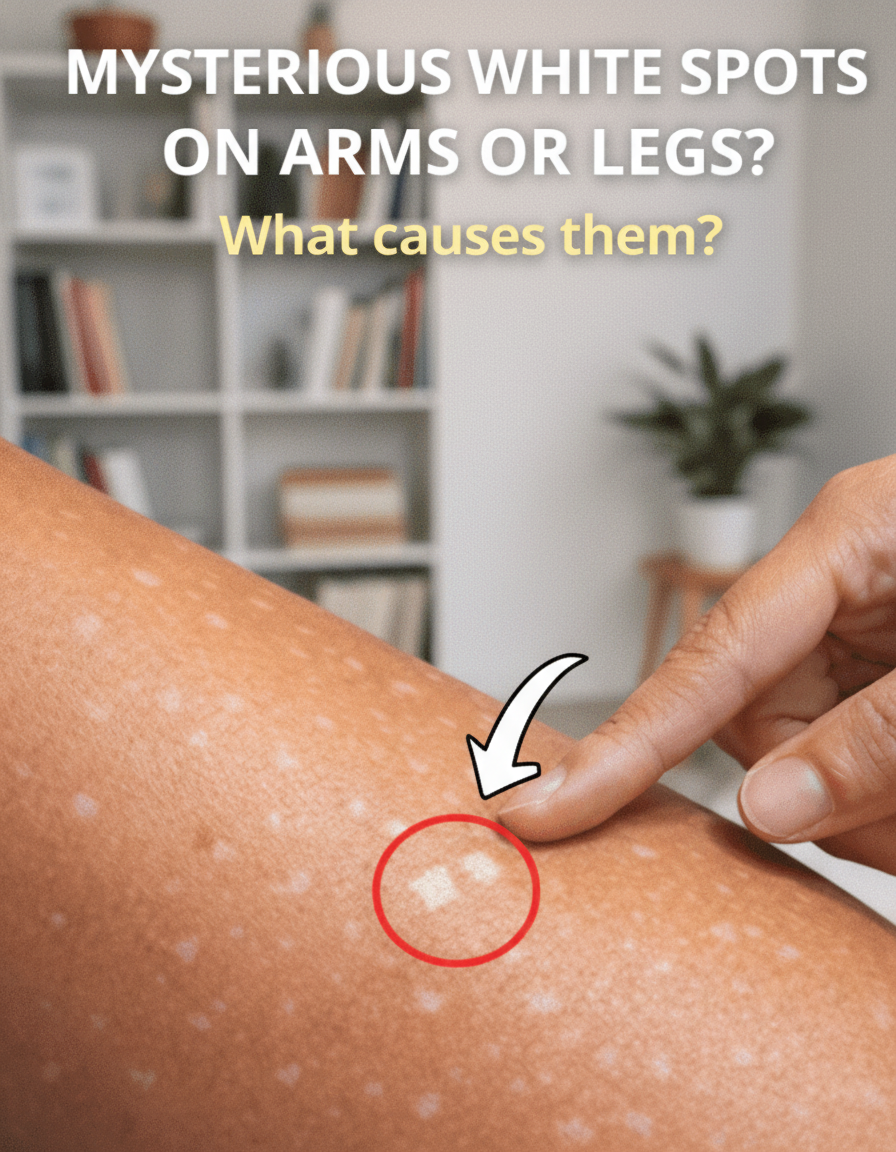
Alright, so IGH is the big dog when it comes to those white skin patches specifically on your arms and legs. But hold your horses – a few other players can also cause lighter areas. Here’s the rundown of other common possibilities, just so you’re in the know:
- Fungal overgrowth (tinea versicolor): Think of it as your skin’s natural yeast getting a little too wild, temporarily messing with your normal pigment production. These patches usually hit your chest, back, or upper arms and might have a slight scale to ’em.
- Mild eczema or dry skin patches (pityriasis alba): More common in kids and younger adults, this leaves temporary lighter spots after some minor inflammation chills out, often on the face, arms, or legs.
- Post-inflammatory changes: Got a little cut, a rash, an annoying insect bite, or some skin irritation? Sometimes, as it heals, your skin repigments unevenly, leaving lighter marks for a bit.
- Nutritional or environmental influences: In rare cases, stuff like how hydrated your skin is, minor nutrient tweaks, or other lifestyle factors might play a supporting role, but honestly, the evidence here is pretty thin.
The main takeaway? Most of these skin discoloration causes are just cosmetic changes, nothing to lose sleep over. Still, this is where your journey to better skin health really gets interesting…
Everyday Habits That Can Support Your Skin’s Appearance
Look, you can’t rewind the clock and undo years of past sun exposure – that ship has sailed. But here’s what you CAN do: grab the reins and adopt some rock-solid skin care routines that’ll nurture your skin, today and tomorrow. Trust us, countless people swear these practical steps make a genuine difference in how their skin looks and feels overall. These aren’t just suggestions, folks; these are actionable healthy skin habits worth trying:
- Slap on that broad-spectrum sunscreen: SPF 30 or higher, every single day. Yes, even when it’s cloudy or you’re chilling indoors near a window. If you’re out and about, reapply every two hours – no excuses! This is your frontline sun protection.
- Gear up with protective clothing: Think long sleeves, lightweight pants, and a wide-brimmed hat, especially during those peak sun hours (usually 10 a.m. to 4 p.m.). Don’t let those rays sneak in!
- Moisturize regularly: Keep your skin happy and hydrated. A good moisturizer is crucial for overall skin hydration and health.
So, there you have it – the real talk on those white spots on your skin. While most are harmless, staying informed and proactive with your skin health is always a power move. If you’re ever truly worried or those spots change, don’t play doctor – hit up a dermatologist. For more no-nonsense tips and tricks to keep your skin looking its best, keep exploring dogpjs.com. We’ve got loads more insights waiting for you!