 By admin
 Alright, ladies, listen up! If you’re cruising through your 30s or early 40s and suddenly your period schedule has gone completely rogue, or you’re waking up absolutely drenched in sweat on nights that aren’t even hot – hold up. These aren’t just ‘subtle shifts’; your body might be trying to tell you it’s hitting the menopausal transition button way ahead of schedule. And let’s be real, these changes can feel utterly confusing and draining, quietly messing with your sleep, zapping your energy, chipping away at your confidence, and even throwing your relationships for a loop as daily life suddenly feels totally out of whack. But here’s the real kicker, the secret weapon most women only discover too late: one simple, everyday tracking habit can help you spot these patterns way sooner, leaving you feeling miles more prepared when things really start to unfold. Don’t get caught off guard!
What Early Menopause Actually Means (No, You’re Not Imagining It)
So, what’s the deal with early menopause? Simply put, it’s when your hormone levels start doing a wild dance and shifting before you hit age 45. Research from the Mayo Clinic spills the tea: the average age for menopause in the United States is around 51. So, if your body’s trying to fast-forward before then, you’re officially in the ‘early’ club. This whole transition, often dubbed perimenopause, isn’t some overnight switch; it’s a gradual process that can drag on for several years, bringing with it a whole host of changes. Studies clearly show these hormone fluctuations are behind most of the experiences you’re feeling, and guess what? Every woman’s timeline is a unique rollercoaster. The absolute key here is awareness, because spotting these menopause signs early empowers you to have real, informed conversations with your healthcare provider instead of just shrugging it off.
The 10 Early Signs You Shouldn’t Ignore (Seriously, Pay Attention!)
Here are the most common signals that many women notice during the early stages of this transition. Keep in mind that experiences vary wildly, and these are simply patterns worth paying serious attention to. Your body is talking; are you listening?
1. Irregular Periods: Your Cycle Goes Rogue
Suddenly, your period is playing hard to get, or maybe it’s showing up uninvited. Your cycle might swing from shorter to longer, lighter to heavier, or just disappear for months entirely. Ever find spotting between periods? Yep, that too. According to trusted sources like WebMD, this is often one of the very first clues that something’s up, mainly because ovulation starts happening less predictably. Here’s a pro tip: grab a simple app or an old-school notebook and start tracking your cycle. It’ll reveal patterns faster than you think and give you solid info to drop on your doctor during check-ups.
2. Hot Flashes: Welcome to Your Personal Inferno
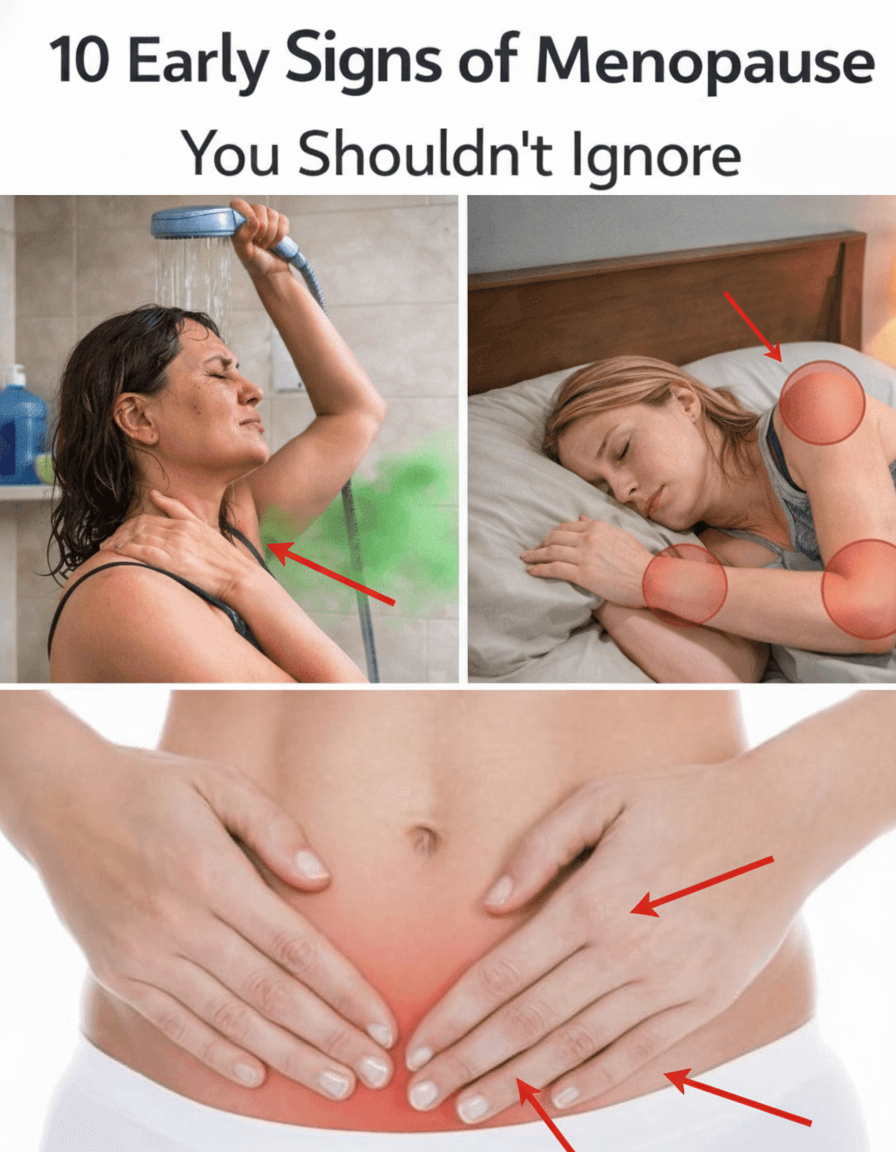
One minute you’re cool, the next, a sudden wave of intense warmth washes over your face, neck, or chest. Sometimes it comes with a flush that makes you look like you just ran a marathon, or even a racing heart. These little episodes can last just a minute or two, but trust me, they catch you totally off guard during the day. Research clearly highlights that vasomotor symptoms, like these fiery blasts, affect a huge number of women during this transition phase. Want a quick fix? Dressing in layers and keeping a small fan practically glued to your side are simple steps many women swear by to stay comfortable when these moments strike.
3. Night Sweats: Waking Up in a Swamp
Think hot flashes, but now they’re crashing your sleep party. These unwelcome guests can leave you and your sheets absolutely damp, waking you up multiple times a night. Sleep becomes fragmented, leaving you feeling utterly exhausted and useless the next day. Studies strongly indicate that these miserable night sweats tie directly to the same hormone shifts causing daytime hot flashes. Practical adjustments like choosing breathable bedding and cranking down the AC in your bedroom at night are game-changers for many women trying to get some decent rest.
4. Vaginal Dryness and Discomfort: The Desert Down There
Suddenly, things ‘down there’ might start feeling drier, leading to itchiness or discomfort that makes everyday activities – and intimacy – a real drag. This unwelcome change stems directly from declining estrogen levels and is widely reported in medical literature. Don’t suffer in silence! Over-the-counter personal lubricants or moisturizers specifically formulated for sensitive areas are options many women explore after having a candid chat with their doctor.
5. Sleep Disturbances: Your Brain Just Won’t Shut Off
Even if you’re lucky enough to avoid night sweats, falling asleep or staying asleep can become an Olympic sport. You might wake up way too early, or just feel utterly unrested no matter how many hours you clock. The Mayo Clinic notes that these sleep disturbances frequently overlap with other transition symptoms, creating a vicious cycle of fatigue. Want to reclaim your nights? Establishing a consistent bedtime routine – like dimming the lights an hour before bed and ditching your phone – supports better rest for many during this challenging time.
6. Mood Changes: The Emotional Rollercoaster No One Warned You About
Ever feel like you’re suddenly a raging inferno one minute, then crying over a commercial the next? Increased irritability, anxiety, or sudden emotional shifts can appear more often than you’d like. These feelings may come and go, sometimes linking directly to poor sleep or those pesky hormone fluctuations. Experts are quick to remind us that these mood experiences during this phase are incredibly common and absolutely *not* a personal failing. Gentle movement like a daily walk or diving into mindfulness practices helps many women find their emotional balance again.
7. Unexplained Weight Gain: Where Did THAT Come From?!
Ah, the dreaded belly fat. Extra pounds often settle stubbornly around your middle, even when your eating and activity habits haven’t changed much. A slower metabolism plays a significant role as those estrogen levels adjust. WebMD points out that staying active becomes especially crucial here. Focusing on strength-building exercises and balanced meals packed with plenty of vegetables and lean protein supports both your energy levels and body composition for many women trying to fight the fat creep.
8. Joint and Muscle Aches: Feeling Like You’ve Aged Overnight
Suddenly, stiffness or new aches in your shoulders, knees, or back can pop up without any obvious injury. Some women describe it as feeling ‘creaky and achy all over,’ like your body just decided to age overnight, leaving you wondering what the heck happened to your youthful joints.
Navigating early menopause can feel like a bumpy ride, but remember, you’re not alone in this journey. Understanding these signs is your first step towards taking control and feeling your best. Keep an eye on your body’s signals, and don’t hesitate to speak up to your healthcare provider. For more insights and tips on living a healthy, vibrant life, be sure to explore more articles on our site!