 By admin
 Why Are Your Nails Splitting or Breaking? 10 Common Causes & Practical Tips for Stronger Nails
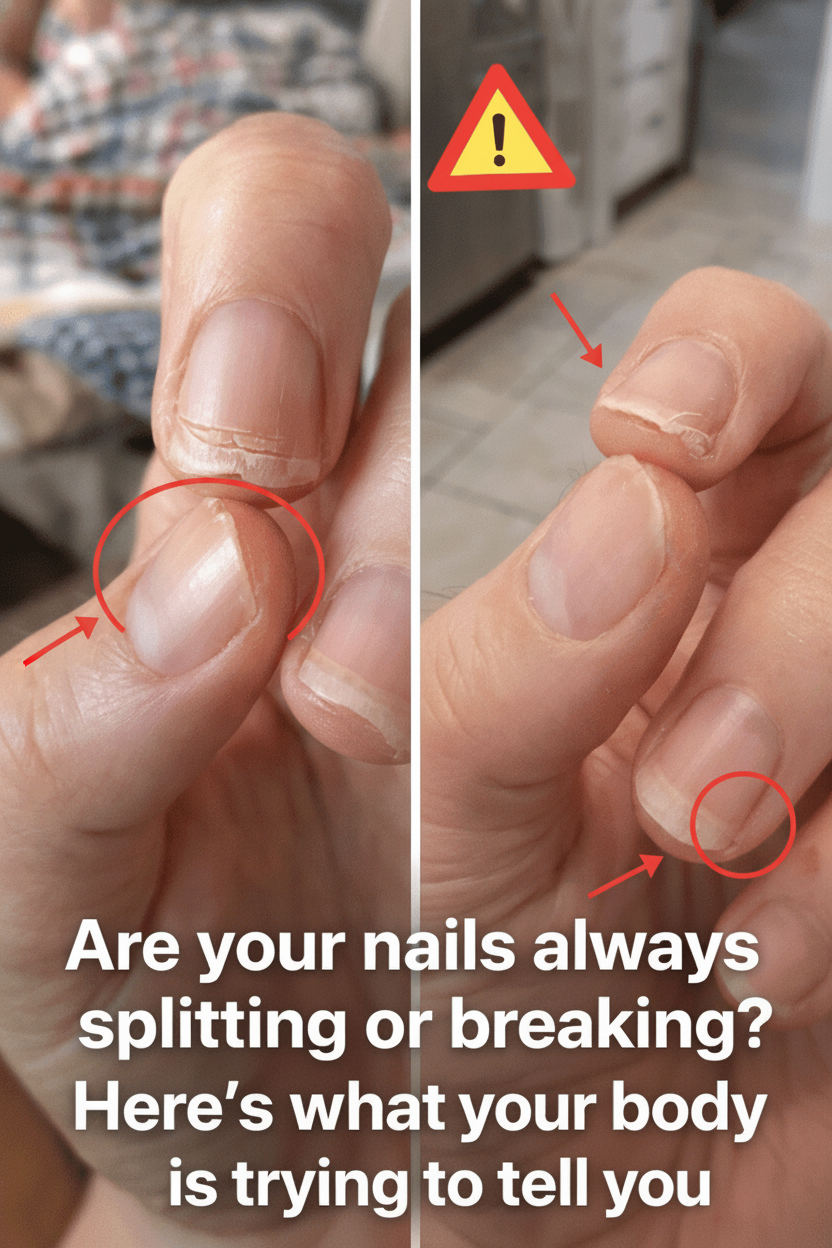
Do you often find your fingernails or toenails peeling, splitting, or breaking with frustrating ease? Many individuals experience their nails becoming increasingly fragile over time, whether it’s minor snags from everyday tasks or noticeable layers peeling away. This common issue, affecting up to 20% of adults and particularly prevalent among women over 50, can be both annoying and aesthetically displeasing. The good news is that understanding the underlying factors contributing to brittle nails is the first step toward achieving healthier, more resilient nail plates. In this comprehensive guide, we’ll delve into 10 frequent culprits behind nail fragility and provide simple, actionable strategies you can integrate into your routine to foster stronger nails.
Understanding Why Your Nails Become Brittle or Prone to Splitting
Your nails are primarily composed of keratin, a robust protective protein. When this natural barrier is compromised—due to moisture imbalance, repetitive physical stress, or internal physiological shifts—nails can become dry, soft, or develop a layered texture. While severe health conditions can sometimes be a factor, research indicates that external habits and environmental exposures are often the primary drivers of nail brittleness. Let’s explore these common causes in detail.
1. Frequent Water Exposure and Hand Washing
Repeatedly submerging hands in water, especially without adequate drying and moisturizing, can strip the natural oils from your nails and surrounding skin. This constant cycle of hydration and dehydration dries out the nail plate, making it susceptible to cracks and splits. This is particularly common for individuals who frequently wash dishes, swim, or work in professions requiring constant hand washing or exposure to wet conditions.
2. The Natural Process of Aging
As we age, our nails naturally grow slower and tend to retain less moisture. Dermatological studies highlight that post-menopausal women, in particular, often experience increased nail fragility due to a reduction in the lipid content within the nail plate. While aging is an unavoidable process, adopting gentle nail care practices can significantly mitigate its impact on nail strength.
3. Dry Climates and Seasonal Changes
Environmental factors play a crucial role. Cold, low-humidity air, especially during winter months, can draw moisture directly from your nails. When combined with indoor heating systems that further dry out the air, this creates an environment where nails are more prone to becoming brittle and breaking. Many people observe a noticeable increase in nail splitting during drier seasons.
4. Regular Exposure to Harsh Chemicals
Using strong cleaning agents, detergents, alcohol-based hand sanitizers, or certain nail polish removers (especially those containing acetone) can severely deplete the protective oils and natural moisture from your nails. Over time, this chemical exposure weakens the nail’s structural integrity, leading to peeling, thinning, and horizontal splits.
5. Aggressive Nail Care Habits and Physical Trauma
Treating your nails as tools (e.g., prying open cans), habitual nail biting, or frequently applying and removing artificial nails or gel polish can inflict micro-trauma. Longer nails are also more susceptible to snagging and breaking. Furthermore, improper or aggressive filing techniques can thin the nail plate, making it weaker and more prone to damage.
6. Insufficient Overall Hydration (Dehydration)
Just like the rest of your body, your nails require adequate internal hydration to maintain their flexibility and strength. Not drinking enough water throughout the day can lead to overall dehydration, which in turn makes nails dry, rigid, and more likely to crack or split.
7. Nutritional Deficiencies – Specifically Biotin
Biotin, a B-vitamin found in foods like eggs, nuts, and leafy greens, is known to support the body’s keratin infrastructure. While research results vary, some smaller studies suggest that consistent biotin supplementation can lead to improvements in nail thickness and a reduction in splitting, contributing to overall nail health.
8. Low Iron Levels and Related Indicators
Iron plays a vital role in oxygen transport to growing cells, including those in your nail matrix. An iron deficiency (anemia) can sometimes manifest in nail changes, such as spoon-shaped nails (koilonychia) or general nail weakness and fragility. If accompanied by other symptoms like fatigue, it’s worth discussing with a healthcare professional.
9. Inadequate Protein Intake for Keratin Synthesis
Given that keratin is the primary building block of your nails, a consistent and sufficient intake of protein is essential for maintaining their structural integrity. Dietary sources like lean meats, poultry, fish, beans, lentils, and dairy products provide the amino acids necessary for keratin production. Diets low in protein may contribute to softer, weaker, and more breakable nails.
10. Underlying Health Conditions or Skin Issues
Occasionally, nail fragility can be a symptom of deeper health concerns. Conditions such as psoriasis can cause pitting or thickening of the nails, while fungal infections often lead to brittleness and discoloration. Thyroid disorders or other systemic health issues can sometimes be linked to ridged, discolored, or fragile nails. If you observe persistent nail changes alongside other unexplained symptoms, consulting a doctor is advisable.
Practical Habits to Cultivate Stronger, Healthier Nails
Fortunately, many instances of brittle nails can be improved with consistent, mindful care. Here are some quick-start habits to help you on your journey to stronger nails:
- Protect Your Hands: Always wear cotton-lined gloves when performing wet chores, cleaning with harsh chemicals, or gardening to shield your nails from excessive moisture loss and chemical exposure.
- Moisturize Religiously: Apply a rich hand and cuticle cream (look for ingredients like lanolin, shea butter, or glycerin) multiple times a day, especially after washing your hands while they are still slightly damp. This locks in essential moisture.
- File Gently and Correctly: Use a fine-grit emery board to file your nails in one direction only, from the side to the center. Avoid a harsh back-and-forth “sawing” motion, which can cause micro-tears and further splitting.
- Keep Nails Shorter: Maintaining a shorter nail length reduces the surface area available for snagging, catching, and breaking, promoting overall resilience.
- Stay Well-Hydrated: Ensure you’re drinking plenty of water throughout the day. Internal hydration is crucial for keeping nails flexible and less prone to cracking.
- Nourish from Within: Incorporate a balanced diet rich in protein (lean meats, legumes), biotin (eggs, nuts, spinach), and iron (lentils, fortified cereals) to provide the necessary building blocks for healthy nail growth.
- Give Nails a Break: Periodically allow your nails to go “bare” without polish, gel, or extensions. This gives them time to recover and breathe, especially from harsh removers.
- Choose Gentle Products: If you enjoy manicures, opt for mild, acetone-free nail polish removers and look for polishes that are “3-free,” “5-free,” or “7-free,” indicating fewer harsh chemicals.
With consistent effort and patience, you’ll likely begin to notice a significant improvement in your nail strength and appearance within weeks to a few months, as new, healthier nail growth emerges.