 By admin
 You’ve been sitting there for what feels like forever, hoping things will happen naturally, but nothing comes out – or when it finally does, it’s hard, dry, and requires uncomfortable straining. Sound familiar? Let’s be real, nobody enjoys the battle on the porcelain throne. This frustrating experience is something many people deal with more often than they’d like to admit, leaving them feeling bloated, heavy, and totally out of sync with their own body. It’s like your gut is throwing a tantrum!
The reality is that your intestines are meant to work like a well-oiled machine, a perfectly coordinated system. But what if just a few tweaks to your daily grind could kickstart your gut’s natural rhythm and make those bathroom visits feel effortless again? In this straight-talk guide, we’re diving deep into why your bowel movements might be hitting the brakes and sharing practical, everyday habits that countless people swear by. Stick around until the very end, because we’re dropping a bombshell on one surprising daily factor that often makes the biggest, most undeniable difference.
Understanding Your Gut’s Natural Movement System
Your digestive system isn’t just chilling out; it’s a powerhouse, an active, muscular tube that’s working around the clock, even when you’re not thinking about it. After your food gets properly mashed up in your stomach and small intestine, it rolls into the colon where the final magic happens. The muscles in your intestinal walls contract and relax in a rhythmic dance called peristalsis. This gentle, yet persistent, pushing action helps move all that waste material forward so it can be eliminated regularly. When everything’s humming along as it should, you typically experience comfortable, effortless bowel movements without a second thought. But here’s the catch: various factors in modern life can totally throw this delicate balance off. The result? A sluggish system that doesn’t empty as efficiently as it once did – and trust us, nobody wants that.
Why Your Bowel Movements Can Slow Down
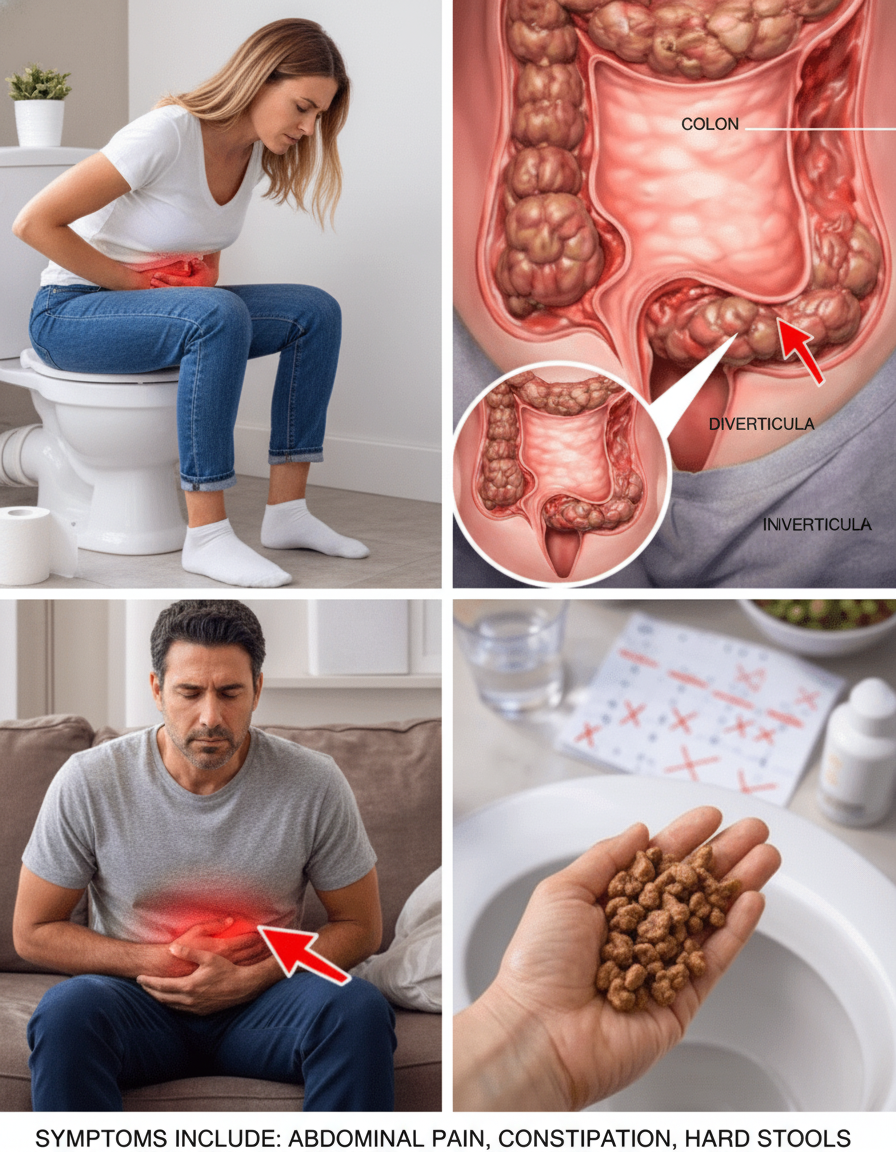
Here’s the real scoop on what’s actually happening inside when transit slows down: As waste decides to take a vacation in your large intestine, more and more water gets reabsorbed back into your body. What started as soft, manageable material gradually becomes drier and more compact. This is precisely why so many people notice stools that are hard, pebble-like, or simply a nightmare to pass. But wait, there’s more! The longer that material sits, the more it can ferment, potentially leading to extra gas and that super uncomfortable, full feeling many experience day in and day out. It’s like a party in your gut, but not the fun kind.
Common signs that your intestinal rhythm may need a serious pep talk and some support include:
- Feeling like you need to go but nothing happens easily (the dreaded false alarm)
- Needing to strain or push more than usual (don’t break a sweat, literally!)
- A sensation of incomplete evacuation (like you left something behind)
- Bloating or abdominal discomfort that just won’t quit
- Going fewer than three times per week (that’s a red flag, folks!)
The truth is, these signals aren’t just random annoyances; they’re your body’s way of screaming for a little extra daily support for better gut health. Listen to it!
Factors That Affect Intestinal Transit
Several everyday elements secretly influence how well your gut moves – or doesn’t. Research from leading digestive health studies isn’t shy about it: your lifestyle plays a major role in either supporting or totally messing up normal bowel function. Get this straight:
Key factors that can contribute to slower movement:
- Not drinking enough fluids throughout the day (your pipes need lubrication!)
- Low intake of dietary fiber from whole foods (fiber is your gut’s best friend)
- Sedentary lifestyle with limited physical activity (get off the couch!)
- High levels of ongoing stress (your gut feels your tension, big time)
- Ignoring the urge to go when it first appears (don’t hold it in, that’s just asking for trouble!)
- Changes in routine or travel (your gut likes consistency, just like you)
Here’s the thing – many of these are totally within your control. Making thoughtful adjustments can genuinely help encourage your body’s natural processes for smoother bowel movements. No excuses!
7 Practical Habits to Support Smoother Bowel Movements
Ready to give your gut the VIP treatment it deserves? Here are actionable steps you can start implementing right away, no complicated rituals required. Remember, consistency matters way more than aiming for perfection. Just start!
1. Prioritize Hydration the Right Way
Water isn’t just for quenching thirst; it’s absolutely essential for keeping things soft and moving smoothly through your system. Aim for consistent intake spread throughout the day rather than chugging massive amounts all at once. Think steady flow, not a sudden flood. Get smart about your hydration:
- Start your morning with a glass of room-temperature water (your gut will thank you)
- Carry a reusable bottle and sip regularly (make it a habit, not a chore)
- Include hydrating foods like cucumbers, watermelon, and oranges (snack smart!)
- Try warm lemon water before meals (many find it gently stimulating – give it a shot!)
Studies on hydration and digestion aren’t pulling any punches: adequate fluid intake is a non-negotiable for maintaining softer stool consistency. Period.
2. Increase Fiber Gradually and Smartly
Fiber is the unsung hero that adds bulk and helps stimulate those natural contractions your gut needs. But here’s a heads-up: rushing it can cause more bloating, so take it slow and steady. Focus on getting a smart mix of soluble and insoluble fiber from real, whole foods:
- Oats and chia seeds for soluble fiber (great for that smooth consistency)
- Apples, pears, and berries (nature’s candy with a purpose)
- Broccoli, carrots, and leafy greens (eat your veggies, seriously!)
- Whole grains like brown rice and quinoa (ditch the white stuff, your gut prefers the real deal)
A good target is increasing your intake slowly over several weeks while drinking plenty of water. Your gut will appreciate the gradual change, trust us.