 By admin
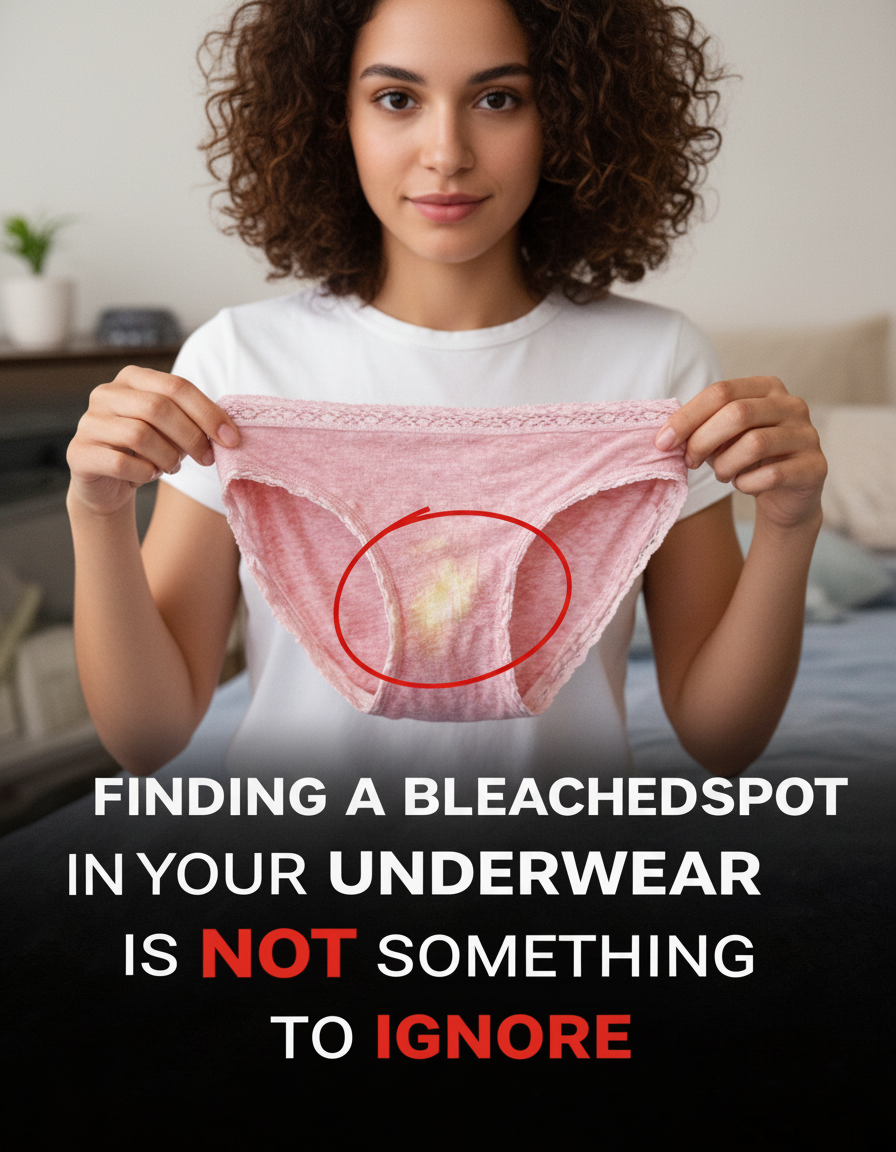
 Discovering a pale or yellowish patch in the center of your underwear can be a moment of quiet concern, perhaps even embarrassment. Many women privately wonder if this subtle mark signals an issue, especially with a deluge of confusing information online. However, there’s a reassuring truth: for many, this common discoloration is actually a perfectly normal indicator of a healthy body. This article aims to demystify this phenomenon, explaining precisely why it occurs and, crucially, when it might warrant a closer look from a healthcare professional.
Understanding Underwear Stains: The Role of Vaginal Discharge and pH
Encountering a lighter area or a yellowish stain on your undergarments often sparks questions. While some might suspect detergent residue or even a potential infection, the reality is far more straightforward and, in most cases, completely benign. The female reproductive system naturally generates vaginal discharge daily—a vital fluid essential for maintaining the delicate balance and protective environment of the vagina.
A key characteristic of this discharge, and indeed of a healthy vagina, is its mild acidity. Typically, the vaginal pH ranges between 3.8 and 4.5, an acidic state that is crucial for inhibiting the proliferation of harmful bacteria and yeast. This natural acidity, however, can react with the dyes in certain fabrics. Over time, this interaction can cause darker materials, particularly cotton in shades like black or navy, to lighten, creating what appears to be a bleached effect. This means the fabric’s color alteration isn’t due to external damage but rather a natural physiological process.
Intriguingly, many gynecologists consider this underwear discoloration a subtle yet positive indicator that the vaginal ecosystem is functioning optimally. Scientific research into the vaginal microbiota consistently shows that a thriving population of beneficial bacteria is responsible for upholding this crucial acidic balance. Therefore, in numerous instances, the visible change in your underwear’s hue is simply a chemical reaction between your body’s natural secretions and the fabric’s dye.
Common Factors That Influence Vaginal Discharge and Underwear Discoloration
Understanding the factors that contribute to increased vaginal discharge can offer significant reassurance. These natural marks frequently coincide with various normal phases of a woman’s life and menstrual cycle. Several physiological and environmental elements can heighten the volume of discharge, thereby making underwear discoloration more pronounced:
- Ovulation Phase: Mid-cycle, as the body prepares for potential conception, there’s a natural surge in cervical fluid production. This fluid aids sperm motility and serves as a natural fertility indicator. The increased volume often leads to more noticeable bleaching effects on undergarments.
- Hormonal Fluctuations: Throughout a woman’s life—from puberty through pregnancy to perimenopause—hormonal levels are in constant flux. These shifts can significantly impact the quantity of vaginal discharge, which is a normal response and not necessarily a sign of concern.
- Sexual Arousal: During moments of intimacy, natural lubrication is produced, which also contains mildly acidic components that can contribute to fabric lightening.
- Body Temperature and Physical Activity: Engaging in strenuous exercise, spending long periods in motion, or living in warmer climates (such as many regions in Mexico) can naturally stimulate increased moisture and vaginal secretions, making the discoloration more evident.
Beyond internal bodily processes, the type of fabric your underwear is made from also plays a crucial role. Certain materials are more susceptible to the acidic interaction with vaginal discharge than others.
| Fabric Type | Likelihood of Color Change | Breathability |
|---|---|---|
| Cotton | Moderate to high | Very good |
| Synthetic fabrics | Low discoloration | Often less breathable |
| Dark dyed fabrics | More visible stains | Depends on fabric |
| Light fabrics | Discoloration less noticeable | Depends on fabric |
Therefore, observing these marks predominantly on darker cotton underwear is an entirely expected occurrence.
When to Consult a Healthcare Professional: Signs of Abnormal Vaginal Discharge
While the presence of pale or yellowish spots on your underwear is typically a normal outcome of vaginal acidity, it’s equally important to understand when these changes, or accompanying symptoms, might indicate a need for medical advice. The key distinction lies in the characteristics of the discharge itself.
Healthy vaginal discharge is generally clear, milky white, or slightly creamy, and possesses a mild or neutral scent. However, if the discoloration on your underwear is accompanied by any of the following symptoms, it’s advisable to consult a healthcare professional:
- Persistent itching, irritation, or a burning sensation in the intimate area.
- A strong, unpleasant, or “fishy” odor.
- Discharge with a thick, clumpy, cottage-cheese-like consistency.
- Discharge that appears green, gray, or an unusually intense yellow.
- Noticeable swelling or redness around the vulva or vaginal opening.
Research published in gynecological health journals frequently highlights that unusual shifts in discharge color, consistency, or odor often point to an imbalance within the vaginal flora—the ecosystem of beneficial bacteria. It’s also crucial to recognize a common misconception: excessive cleaning or the use of harsh intimate hygiene products can ironically disrupt this delicate natural protective environment. This means that sometimes, issues arise not from a lack of cleanliness, but from attempts to “over-cleanse” an area designed to maintain its own healthy equilibrium.
Embracing Natural Vaginal Health
Ultimately, discovering discoloration on your underwear is, for most women, a natural and healthy part of their body’s functioning. It serves as a subtle reminder of the intricate and self-regulating nature of vaginal health. By understanding the science behind vaginal discharge and its interaction with fabrics, we can move past unnecessary worry and embrace a more informed perspective on intimate wellness.
Prioritizing gentle care, avoiding harsh chemicals, and being attuned to your body’s signals are fundamental steps in supporting this natural balance. Remember, your body often communicates its well-being in quiet ways; knowing how to interpret these signals empowers you to maintain optimal health and seek professional guidance only when genuinely needed.