 By admin
 Let’s be real: that weird tingling in your calf or a sudden drag when you walk? Most folks just shrug it off, blame old age, or a killer day on your feet. But hold up! Those sneaky little shifts? They can seriously mess with your head, leaving you wondering if something way bigger is brewing. Here’s the good news: actually listening to your legs can hand you the power to dodge some serious health bullets. And listen close, because there’s one shocking leg sign that research ties directly to major circulation issues – we’re talking head-to-toe problems – and we’re gonna spill all the beans on what it means and exactly what to do before you finish reading this.
Why Your Legs Matter More Than You Think for Brain Health
Think of your legs as your body’s personal alarm system for your entire heart and blood vessel health. Seriously, don’t sleep on this! The same blood highways (arteries and veins) feeding your brain also run through your legs. So, if things are getting backed up or blocked downstairs, you can bet your bottom dollar similar risks are lurking upstairs. Big shots like the American Heart Association have dropped the facts: leg circulation problems often go hand-in-hand with stuff that jacks up your stroke risk. Now, don’t go panicking over every little twinge—but your legs deserve a damn good look if you want to stay ahead of the game. The cold, hard truth? Many adults see changes in their legs way before other trouble signs pop up. And here’s the kicker: catching these early means you can walk into your doctor’s office armed with real info. Let’s dive into what these signals actually look like so you can spot them like a pro in your daily grind.
Common Leg Changes That Deserve Your Attention
Suddenly, one leg feels like dead weight or just gives out? Especially when you haven’t even pushed yourself? That’s a red flag, my friend. We’re not talking about typical post-workout exhaustion here. This is when one leg feels noticeably heavier or wobbly compared to its buddy. Medical journals, the ones focused on stroke, scream it loud and clear: numbness or weakness on one side of your body, including a leg, is a textbook warning sign health professionals are always on the lookout for. But that’s just the start of the story.
Many folks also report these unsettling signs:
- That nagging leg pain or cramping that kicks in hard when you walk, but magically disappears when you chill out (yeah, they call it claudication, fancy word for a serious circulation problem).
- One leg swelling up like a balloon and refusing to go down, even after you prop it up on a stack of pillows.
- Freaky skin changes: weird redness, a hot spot, or those tiny marks that pop up out of nowhere, no bumps or scrapes involved.
Here’s the damn truth: these aren’t just random aches and pains. A massive 2023 review of cardiovascular studies dropped a bombshell: if you’ve got peripheral artery disease (PAD)—that’s narrowed arteries in your legs, plain and simple—your chances of getting hit with other nasty vascular problems, including ones that mess with your brain, shoot through the roof. And yet, what do most people do? They just wave it off as “part of getting old.” Don’t be that person!
Here’s a quick self-check list to keep locked and loaded:
- Does one leg feel like a noodle or completely numb compared to the other?
- Are you getting cramps after just a short stroll, only for them to vanish the moment you sit down?
- Has your leg skin gone rogue—weird colors, hot spots, or tiny red/purple splotches appearing for no reason?
- Is that swelling sticking around, even after you’ve had your feet up for ages?
If you nodded ‘yes’ to any of those, listen up: it’s not just ‘worth mentioning’—it’s critical to bring it up at your next doctor’s visit. Catching this stuff early? That’s the game-changer, folks. It makes *all* the difference.
The Surprising Connection Between Leg Circulation and Brain Health
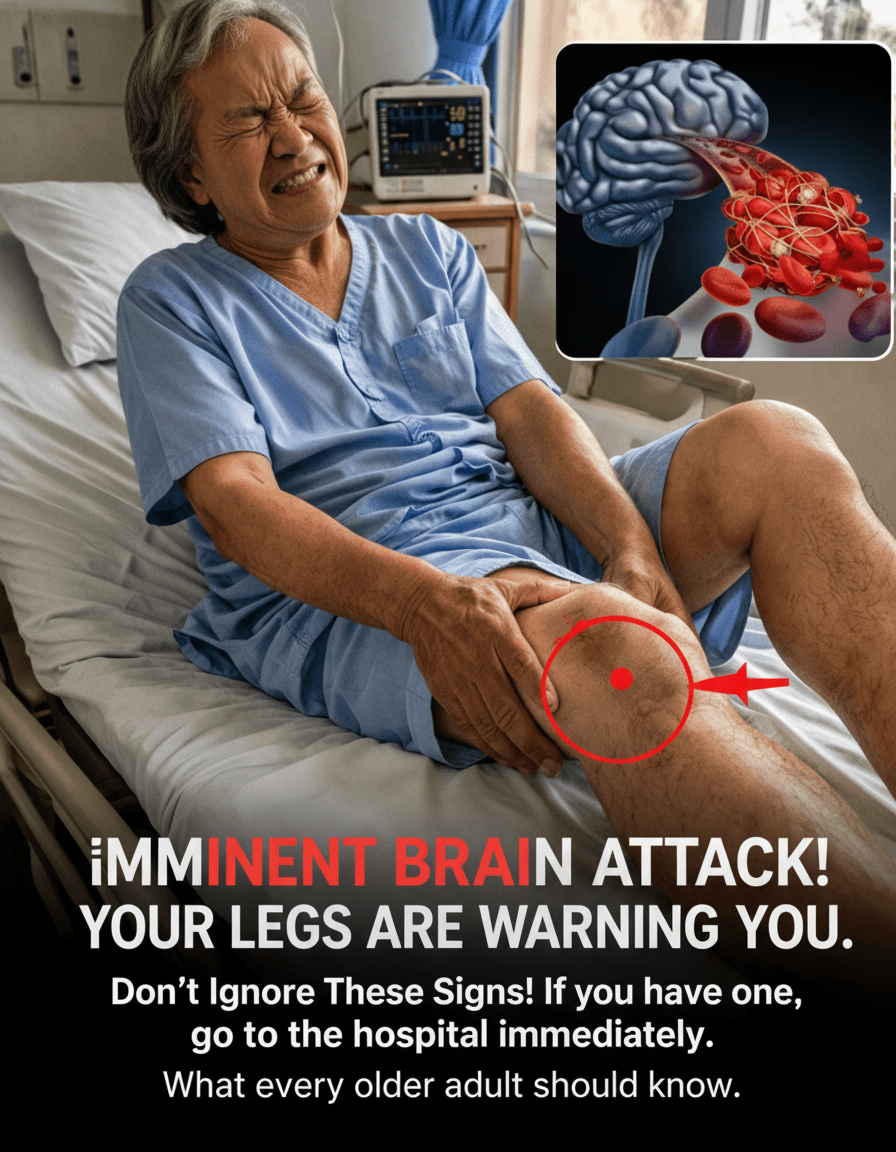
Alright, prepare to have your mind blown: Your legs and your brain are basically on the same damn blood highway! When that nasty plaque starts gumming up the arteries in your legs, guess what? The same silent sabotage can be happening elsewhere in your body, often right up in your head. The National Institutes of Health isn’t playing games: adults with lousy leg circulation are way more likely to be rocking other stroke risk factors, like sky-high blood pressure or diabetes. But hold on a minute—there’s more to this story.
Even a seemingly innocent red spot on your knee or lower leg can sometimes be a whisper of small circulation problems. Now, don’t freak out over every little blemish, but if those changes *stick around* and team up with other symptoms? Get it checked out by a pro, pronto. The American Stroke Association hammers this home: jumping on *any* sudden change dramatically boosts your chances of a good outcome. That’s why the pros are yelling at everyone over 50 to treat leg comfort as a non-negotiable part of their total wellness game plan. It’s not about losing your cool; it’s about being sharp, observant, and on top of your game *every single day*.
Actionable Steps You Can Take Right Now
You don’t need some high-tech gadget or a personal trainer to start paying attention. These simple, no-BS habits slide right into your daily grind and help you stay miles ahead of potential headaches.
Here’s a straightforward daily routine to keep your legs—and your brain—in fighting shape:
Spend 10 minutes each morning gently stretching your calves and hamstrin
There you have it, folks! Your legs aren’t just for walking; they’re your body’s personal messenger. Pay attention, take action, and keep yourself in the best possible shape. Your future self will thank you for it!
Want more insider tips and no-nonsense health advice? Don’t stop here! Dive into our other articles on Herbal Medicine, Home Tips, and Garden Tips to keep boosting your healthy life journey. Stay sharp, stay informed, and keep coming back for more!