 By admin
 Your Life’s on the Line: 10 Breast Cancer Warning Signs You’d Be a FOOL to Ignore
So, you’ve felt it, haven’t you? That nagging feeling that something’s off with your breast—a weird texture, one side looking a little different. Don’t lie, that quiet panic has definitely started to creep in. Look, it’s totally normal to freak out, especially when life’s a blur and these changes seem small. But here’s the brutal truth: too many women just shrug it off, thinking it’s nothing. Letting those persistent shifts slide? That’s a gamble you CANNOT afford. The real power move? Knowing your own damn body. Keep reading, because by the end, I’m gonna drop a simple monthly habit that takes no time at all but could literally save your ass. This isn’t a drill, people.
Why Ignoring Your Breasts Is a Recipe for Disaster
Your boobs are always changing—blame hormones, age, whatever. But some persistent shifts? Those scream “GET HELP NOW!” loudly enough that even the big guns like the CDC, American Cancer Society, and Mayo Clinic are practically yelling about how crucial it is to know your own damn body. Yeah, a lot of weird stuff turns out to be harmless, but knowing what’s normal for YOU is your superpower. It gives you peace of mind, sure, but more importantly, it means you get checked when it actually matters. But trust me, that’s just the tip of the iceberg…
THESE Are the Breast Cancer Warning Signs You’d Be Insane to Miss
Alright, listen up! Forget everything else you think you know. Here are the 10 critical changes, straight from the horses’ mouths—the American Cancer Society, CDC, and Mayo Clinic—that you absolutely MUST commit to memory:
- New lump or mass in the breast or underarm — Often the first noticed change; it may feel hard, painless, or irregular, though textures vary.
- Thickening or swelling in part of the breast — Even without a clear lump, one area may feel denser or fuller.
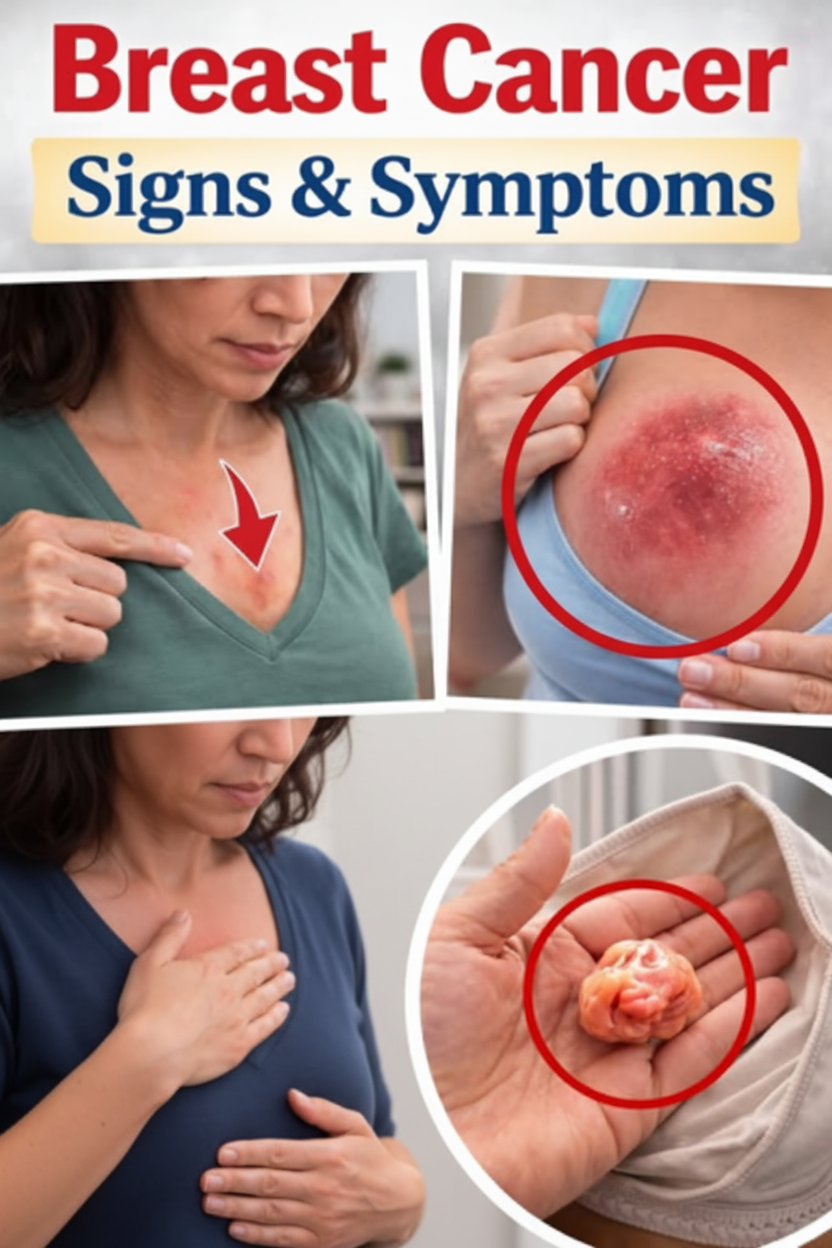
- Skin dimpling, puckering, or irritation — Sometimes resembling orange peel texture.
- Redness, flakiness, or scaling on breast or nipple skin — Persistent changes, not just temporary dryness.
- Nipple turning inward (retraction) — If previously pointing outward.
- Nipple pain or tenderness — Ongoing discomfort in the nipple area.
- Unusual nipple discharge — Especially if bloody, clear, or occurring without squeezing (not milk-related).
- Change in breast size or shape — Sudden or one-sided differences.
- Breast or nipple skin changes like thickening or rash — Including crusting around the nipple.
- Persistent breast pain — Though less common as a sole sign, ongoing discomfort warrants review.
Now, don’t be fooled. These signs don’t pop up the same way for everyone—some folks don’t even catch anything early. But that doesn’t mean you get to ignore them!
The Real Deal: Why Your Body Acts Up & What the Pros Say
Look, your breast tissue is a slave to hormones, and yeah, most lumps are just annoying, harmless stuff like cysts or fibroadenomas. But here’s the kicker, backed by solid research: catching those persistent changes early—and actually getting off your butt for screenings and check-ups—is your best shot at a good outcome. The American Cancer Society even says most breast lumps aren’t cancer, yet any new or changing one should be checked. Don’t be a hero, be smart. Now, for the part that might make you breathe a little easier…
No Excuses! Your Monthly Breast Self-Check: A Step-by-Step Guide That Could Save Your Damn Life
Seriously, carve out 5–10 minutes once a month. Post-period is ideal, or just pick a consistent day if you’re past menopause. This is NON-NEGOTIABLE.
- Stand in front of a mirror — Arms at sides, then raised overhead; look for visible changes in shape, size, or skin.
- Lie down — Place a pillow under one shoulder; use opposite hand’s flat fingers to gently press in circular motions from outer edges to nipple.
- Check underarms — Feel for lumps while standing or lying.
- Squeeze nipple gently — Note any discharge.
- Repeat on other side — Compare both breasts.
- Note anything new — Jot down or photograph changes for your doctor.
- Schedule regular screenings — Mammograms starting around age 40–50 per guidelines (discuss with provider).
This isn’t just a “good idea.” This is how you learn what your normal looks and feels like, so you can spot trouble a mile away.
Don’t Get Confused: Harmless vs. “GET TO THE DOCTOR NOW!”
| Change Type | Often Benign Examples | When to Seek Prompt Check-Up |
|---|---|---|
| Lump or thickening | Cyst, fibroadenoma, hormonal swelling | New, persistent, hard/irregular, one-sided |
| Skin changes | Temporary dryness, irritation | Dimpling, redness, orange-peel look lasting |
| Nipple discharge | Pregnancy/breastfeeding related | Spontaneous, bloody, one-sided, non-milky |
| Pain | Cyclical hormonal pain | Persistent, localized, unrelated to cycle |
| Size/shape shift | Weight changes, aging | Sudden, unexplained, one breast only |
Yeah, most of the time it’s nothing to lose sleep over. But if it’s still there or getting worse? That’s when you drop everything and get it checked. Persistence isn’t just a virtue, it’s a warning.
More Non-Negotiable Rules for Keeping Your Boobs Healthy (And Yourself Alive)
- Maintain regular clinical exams and mammograms as recommended.
- Know your family history—discuss with your doctor.
- Limit alcohol, stay active, a
Listen, your health isn’t a game. These aren’t just suggestions; they’re your personal commandments for staying on top of your breast health. Take control, stay aware, and don’t let anything catch you off guard. Your life is precious, and your body deserves your full attention.
Stay strong, stay vigilant, and never back down from taking care of yourself. We’re here to arm you with the knowledge you need to fight back.
Want more no-nonsense advice to keep you empowered? Dive into our other articles right here on the site. Your journey to a healthier, more informed you starts NOW!