 By admin
 Alright, let’s get real. You’re probably already losing sleep over breast cancer risks – family history, your age, those hormone swings, right? But here’s a curveball you might not have considered: the everyday habits right there in your own home, especially those of your spouse or partner. No joke, studies are whispering that common behaviors, like someone puffing away around the house, could be silently bumping up your risk through secondhand exposure. Talk about a gut punch, especially when you’re sharing the same four walls and both of you are breathing it in. But here’s the kicker: spotting these sneaky patterns means you’ve got the power to flip the script and boost everyone’s health. In this article, we’re going to lay out exactly what science is screaming, why this whole ‘household influence’ thing matters for couples, and simple, no-nonsense steps you can take to slash those potential risks, together.
Understanding Breast Cancer Risk Factors You Can Influence
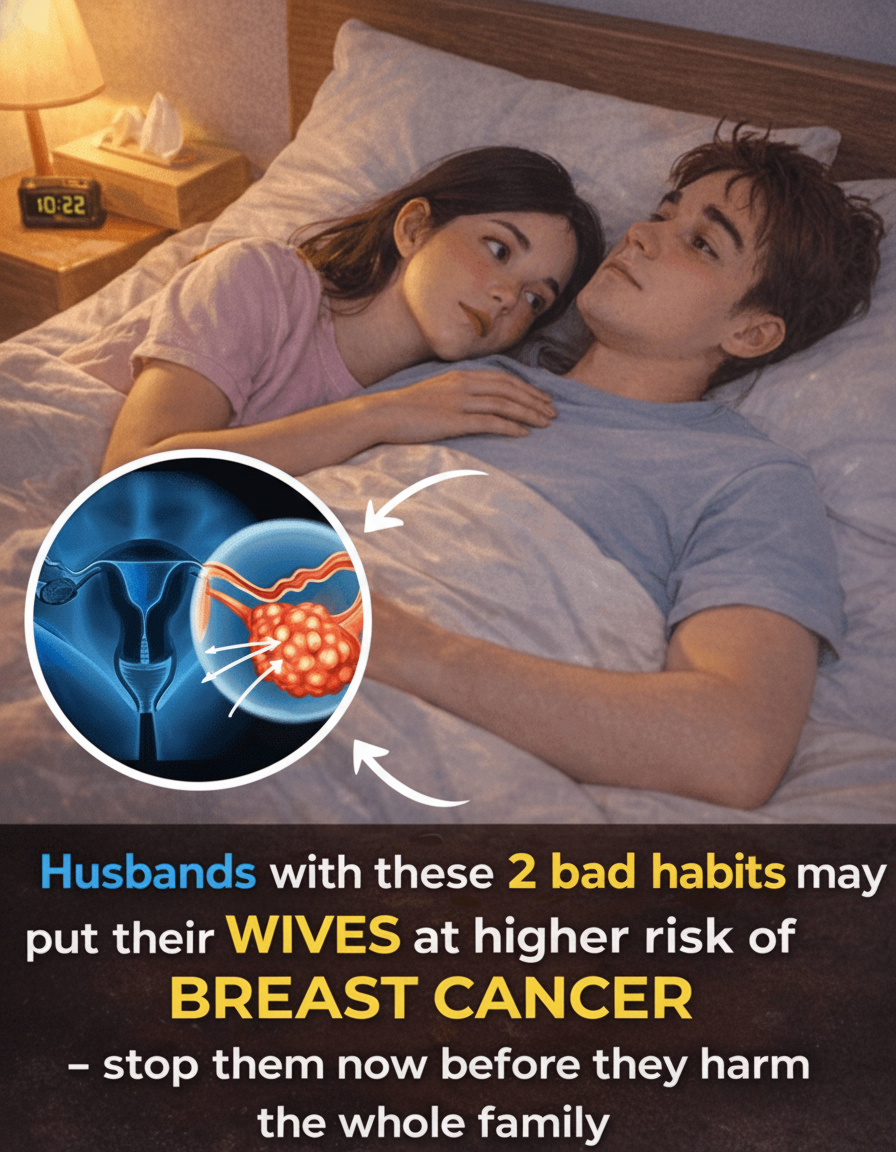
Listen up: breast cancer isn’t just one thing; it’s a wicked cocktail of factors. Some stuff, yeah, it’s out of your hands. But a whole lot of it? That’s tied directly to how you live. Big guns like the American Cancer Society and Mayo Clinic aren’t messing around when they say no single habit seals your fate, but certain choices definitely stack the odds against you over time. Research is shining a spotlight on two major areas where your husband’s habits could be playing a sly, indirect role in your risk:
- Getting a dose of secondhand smoke from a partner who lights up.
- Shared or influenced drinking patterns – think happy hour that never ends.
These aren’t the only bad guys in the story, but they’re the ones you can actually grab by the horns and change. Even tiny tweaks can make a massive difference, so don’t you dare think it’s hopeless.
The Link Between Secondhand Smoke and Breast Cancer Risk
Let’s face it: secondhand smoke isn’t just annoying; it’s a toxic brew of nasty chemicals, many of which are certified cancer-causers. For women who wouldn’t touch a cigarette themselves, but are constantly breathing in smoke from a partner’s habit at home, this has become a serious area of study. And the results? They’re eye-opening. A deep dive into multiple studies – a comprehensive meta-analysis, if you want the fancy term – found that non-smoking women constantly exposed to secondhand smoke were at a statistically significant higher risk compared to those living in smoke-free zones. We’re talking about risks that jump by a solid 20-25% in some groups, especially when that home exposure is a long-term gig.
One Japanese study, a prospective one that followed people over time, zeroed in specifically on husbands who smoked. What they found was chilling: a higher incidence of breast cancer among wives of heavy smokers, and this effect was even more pronounced in women who didn’t regularly drink alcohol themselves. Think about that for a second.
So, why does this hit home so hard in a marriage? Simple. You’re practically joined at the hip. Close quarters in bedrooms, living rooms, or even the kitchen means you’re soaking up that exposure for longer periods. Over years, this ‘passive’ contact isn’t so passive; it adds up, building a silent threat. But here’s the silver lining, the encouraging part that gives you hope: if your partner kicks the habit or, at the very least, takes their smoking outside, that exposure plummets for everyone under your roof. Seriously, it’s a game-changer.
How Alcohol Consumption Fits Into the Picture
Now, let’s talk about booze. The cold, hard truth is that alcohol is a well-known villain when it comes to jacking up breast cancer risk. Studies consistently show that even just a moderate daily drink can raise the stakes, potentially messing with your hormone levels – like estrogen, the big one – or slowly damaging cells over time. While most research focuses on a woman’s own drinking habits, the dynamics within your household are absolutely crucial.
If your husband is pouring a regular glass, guess what? It can subtly normalize heavy drinking, or even increase your shared consumption. Or, let’s be honest, it can create a stressful vibe that indirectly nudges you towards unhealthy choices. Health authorities aren’t pulling punches: they recommend women limit alcohol to no more than one drink per day (and honestly, none is the safest bet for risk reduction). But here’s a tip from the trenches: couples who decide to cut back together? They often find it way easier and much more sustainable. Teamwork makes the dream work, even for your liver.
Other Household Habits That Support Breast Health
Beyond the smoke and the sips, your everyday routines are silently shaping your overall risk. It’s not just about avoiding the bad stuff; it’s about actively bringing in the good. Here’s a quick hit list of positive habits that couples can totally nail together, boosting everyone’s breast health:
- Get moving, together: Regular sweat sessions help keep your weight in check and those hormones balanced. Think walks, bike rides, dancing – whatever gets your heart pumping.
- Fuel up with real food: Ditch the junk! Load up on colorful fruits, veggies, and whole grains. Keep those processed Frankenfoods on the shelf.
- Keep that healthy weight: Extra body fat, especially after menopause, can seriously crank up your estrogen levels. Let’s keep that in check.
- Master sleep and stress: Chronic stress is a silent killer, messing with your immunity and hormones. And good sleep? That’s your body’s repair shop. Prioritize them both.
Look, these aren’t magic bullets or instant cures. But consistent, small changes? They build a fortress of resilience around your health. Every little bit counts, seriously.
Practical Steps Couples Can Take Starting Today
Ready to stop just reading and actually make a real difference? Here are some actionable, no-excuses tips you and your partner can jump on, starting right now:
- Talk it out, openly: Don’t play the blame game. Frame it as genuinely caring for each other’s long-term health and future. It’s about ‘us,’ not ‘you.’
- Declare smoke-free zones: If smoking is still an issue, lay down the law: outdoors only. Better yet, dive into quitting support programs together.
- Team up on cutting alcohol: Challenge yourselves to alcohol-free evenings. Get creative with mocktails. Make it a shared goal, not a sacrifice.
- Schedule joint check-ups: Regular screenings, like mammograms, are your early warning system. Catching issues early is half the battle won.
- Build healthy routines, together: A post-dinner walk? Cooking a nutritious meal side-by-side? These small rituals create big impacts.
And hey, you don’t have to go it alone. There are tons of resources out there – quit-smoking programs, awesome health apps, support groups. Lean on them! They make the journey to a healthier you (and us!) so much smoother.
What the Science Says About Reducing Risks
The bottom line from all the smart folks in white coats? Your lifestyle isn’t just a footnote; it’s a headline act alongside other risk factors. Want to seriously stack the odds in your favor? Avoiding all tobacco exposure – whether you’re puffing it yourself or just breathing in someone else’s clouds – is one of the biggest power moves you can make for lower risk. It’s not rocket science, it’s just good sense.
Stay informed, stay healthy! We’ve got loads more insights and tips waiting for you to explore on dogpjs.com. Keep digging, keep learning, and keep living your best, healthiest life!