 By admin
 Alright, listen up! You’ve probably seen the internet buzzing, heard the whispers, and maybe even got a few well-meaning but totally off-base messages about frankincense. This ancient resin, pulled from those majestic Boswellia trees (especially the sacra or serrata kinds), has been a staple in traditional medicine across the Middle East, India, Africa, and China for literally thousands of years. We’re talking about a plant packing some serious compounds like boswellic acids, incensole acetate, and other cool terpenoids that definitely do interesting stuff in lab dishes and on our furry animal friends.
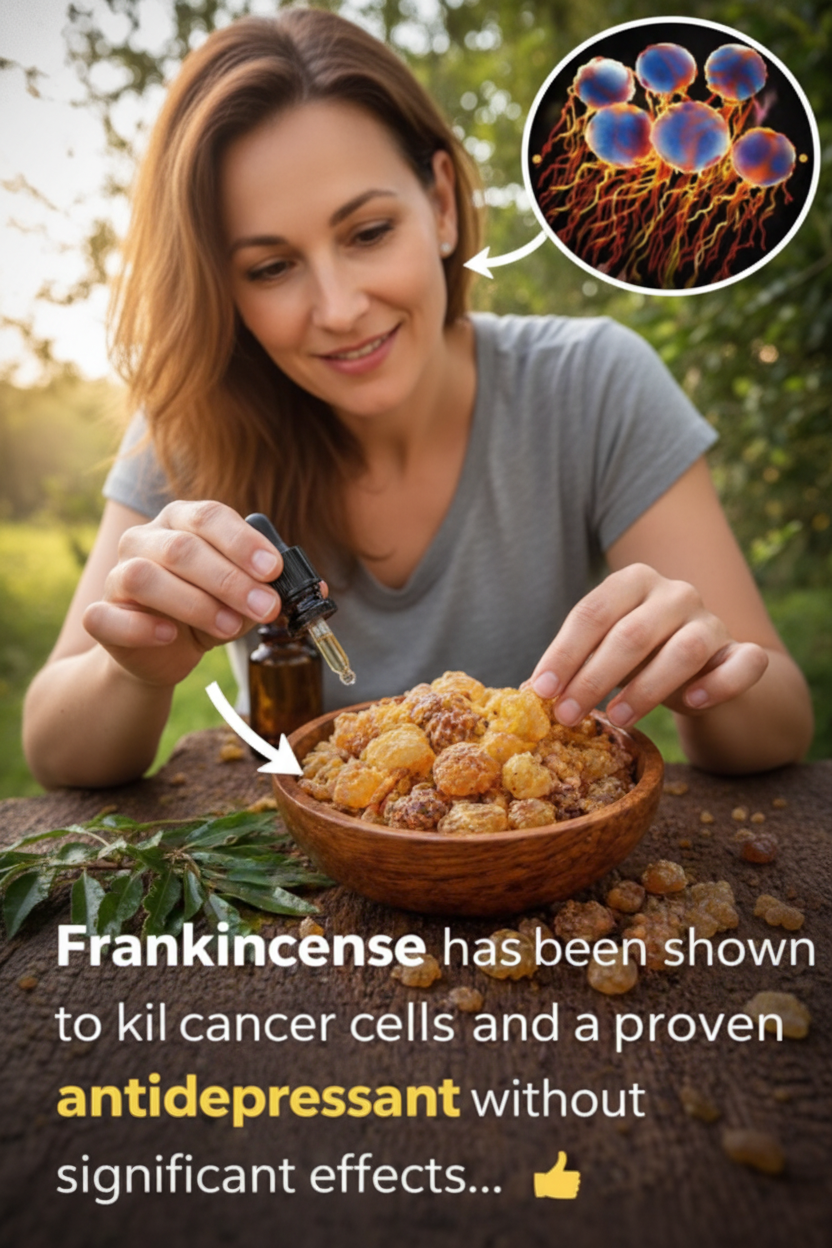
But here’s the kicker, folks: those viral claims screaming that frankincense “kills cancer cells” and is a “proven antidepressant without any side effects”? Yeah, they’re wildly overblown. Let’s cut through the noise and get down to what the high-quality studies actually show, based on what we know right now, in 2025. No BS, just science.
1. Frankincense & Cancer – The Current Reality (Spoiler: It’s Not a Magic Bullet)
Lab & animal data (Promising, But Hold Your Horses!)
So, in the petri dish and in rodent models, some boswellic acids – especially the one they call AKBA (acetyl-11-keto-β-boswellic acid, try saying that three times fast!) – actually look pretty good. They seem to slow down cancer cell growth, trigger apoptosis (that’s programmed cell death, for the uninitiated), block new blood vessel formation (angiogenesis), and even dial down inflammation. We’re talking about activity seen for:
- Breast cancer
- Prostate cancer
- Colon cancer
- Leukemia
- Glioblastoma (a nasty brain tumor)
- Bladder cancer
Human clinical evidence (Still Waiting for the Big Guns)
Now, when it comes to actual human beings, the evidence is still super limited. We’ve got some small Phase I/II trials and a few case series, mostly using Boswellia serrata extracts standardized to a good chunk of boswellic acids (30–60%).
The area that’s gotten the most attention? Brain tumors, specifically glioblastoma. Some early trials hint at improved quality of life and a slower progression when Boswellia is added to standard treatment. That’s cool, right? But – and this is a HUGE but – we still don’t have those big, randomized, controlled trials proving it actually shrinks tumors or extends survival.
For other cancers? Mostly just whispers, anecdotal stories, or tiny, uncontrolled studies. There are zero, zip, nada Phase III trials confirming frankincense as a standalone cancer treatment or a cure. And just so we’re clear: the big players like the FDA, NCI, ASCO, and ESMO? They’re not listing frankincense/Boswellia as a proven cancer therapy. Period.
Bottom line on cancer
So, here’s the straight dope: Frankincense extracts show some genuinely interesting anti-cancer mechanisms in the lab, and they *might* offer some supportive benefits (like less inflammation, better quality of life) when used *alongside* conventional treatment. But let’s be crystal clear: it is not proven to kill cancer cells or cure cancer in humans. Anyone telling you otherwise is spinning a yarn and seriously exaggerating the current evidence. Don’t fall for it!
2. Frankincense & Depression – The Current Reality (Intriguing, But Not Your New Prozac)
The key compound
When it comes to your mood, the star player in frankincense resin (especially from Boswellia sacra) seems to be a molecule called Incensole acetate. This is the one scientists are zeroing in on for its potential mood-boosting effects.
Evidence (Early Days, My Friends)
A pretty big deal came out in a 2008 mouse study (Moussaieff et al., FASEB Journal) that showed incensole acetate actually lights up something called TRPV3 channels in the brain. What happened next? The mice showed antidepressant-like effects, similar to what you’d see with conventional drugs, in tests like the forced-swim and marble-burying. That’s some cool preclinical data, for sure!
Fast forward to 2019, a small open-label human pilot study (8 weeks, 500 mg Boswellia serrata extract twice daily) reported that people with moderate depression saw improved scores. Encouraging? Absolutely. But let’s keep it real: as of 2025, we still don’t have those big, double-blind, placebo-controlled trials – the gold standard – to really confirm anything.
Bottom line on depression
The preclinical data on incensole acetate is genuinely fascinating and makes sense from a mechanistic perspective. And those early human reports? They’re definitely encouraging. But let’s not get carried away; these studies are far too small to slap a “proven antidepressant” label on frankincense. It’s simply not a replacement for your SSRIs, SNRIs, psychotherapy, or any other evidence-based treatments your doctor recommends. Seriously, don’t mess with your mental health on a whim!
Realistic & Safe Ways People Use Frankincense Today (Smart Choices)
For those looking to actually use frankincense in ways supported by *some* evidence, most informed uses fall into supportive, complementary roles. Think of it as an assistant, not the boss.
Boswellia serrata extract capsules
These are usually standardized to contain 30–65% boswellic acids. A common dose is around 300–600 mg, taken 2–3 times a day. People often use these for:
- Joint inflammation (think arthritis support)
- Asthma
- Inflammatory Bowel Disease (IBD)
- As an adjunct (extra support) for brain tumor patients
Frankincense essential oil (Boswellia carterii/sacra)
This is where you often hear about the calming effects. You can use it via:
- Inhalation (diffuser or a drop on a tissue) – this is where it’s most studied for mood and promoting a sense of calm.
- Topical application (always diluted 1–2% in a carrier oil like jojoba or almond) – often used for localized joint pain.
Frankincense resin tea / decoction
This is a more traditional way to go. You simply:
- Simmer 1–2 grams of the resin in water for about 10–15 minutes.
- This method has a long history of traditional use in the Middle East and Africa.
Safety & Important Warnings (Don’t Skip This Part!)
Generally speaking, frankincense/Boswellia is pretty well-tolerated when used at standard, recommended doses. But like anything you put into your body, it’s not without its quirks. Better safe than sorry, right?
Here are some known risks and cautions you absolutely need to be aware of:
- Mild GI upset: Nausea and diarrhea are the most common side effects. Nothing major, but annoying.
- Allergic skin reactions: These are rare, but can happen. Always do a patch test if applying topically.
- Possible mild blood-thinning effect: If you’re on blood thinners like warfarin, aspirin, or clopidogrel, proceed with caution and talk to your doctor.
- May lower blood sugar: Diabetics, pay extra close attention and monitor your levels if you’re using frankincense.
- Pregnancy: Avoid high doses if you’re pregnant; we just don’t have enough safety data there.
- Quality matters: Seriously, don’t cheap out. Choose reputable brands that offer third-party testing for purity. Your body deserves the best!
Bottom Line – 2025 Perspective (The Real Deal)
Look, frankincense resin and Boswellia extracts definitely show some genuine biological activity that totally deserves more scientific digging – especially for inflammation-driven conditions like arthritis, IBD, asthma, and as an adjunct for brain tumors. And that antidepressant potential of incensole acetate? Fascinating stuff, but we’re still in the preclinical/early-stage human data zone. The bold claims that it “kills cancer” or is a “proven antidepressant without side effects”? As of today, 2025, those claims are just plain inaccurate. Stay smart, stay informed, and always question the hype!
You guys are awesome for seeking out the truth and making informed choices for your health! We love bringing you the real science behind the buzz. Keep digging, keep learning, and keep coming back for more no-BS insights right here on dogpjs.com. There’s a whole world of knowledge waiting for you!