 By admin
 Frankincense: The Unfiltered Truth About Cancer & Depression Claims – dogpjs.com
Skip to content Friday, April 24 2026
Facebook Twitter Pinterest Home Herbal Medicine Home Tips Garden Tips Healthy Life
Search Search for: Account Friday, April 24 2026 Search Search for: Menu Home » Healthy Life » Frankincense: The Unfiltered Truth About Cancer & Depression Claims
Frankincense: The Unfiltered Truth About Cancer & Depression Claims
Alright, listen up! Frankincense – that ancient resin from Boswellia trees (think Boswellia sacra or Boswellia serrata) – has been a staple in traditional medicine for literally thousands of years, from the Middle East to India, Africa, and China. This stuff is packed with compounds like boswellic acids and incensole acetate, which, yeah, do show some intriguing action in lab dishes and on our furry animal friends. But let’s cut the crap: those viral claims screaming that frankincense “kills cancer cells” or is a “proven antidepressant with zero side effects”? They’re way, way overblown. So, before you believe all the hype, here’s the raw, evidence-based truth about what solid studies actually reveal (as of 2025).
1. Frankincense & Cancer – The Current Reality
Lab & animal data (promising but preliminary)
Look, in the petri dish and in rodent models, some boswellic acids – especially the heavy-hitter AKBA (acetyl-11-keto-β-boswellic acid) – have shown some cool tricks. They can:
- Inhibit cancer cell growth
- Induce apoptosis (that’s fancy talk for programmed cell death)
- Block angiogenesis (stopping new blood vessel formation that feeds tumors)
- Reduce inflammation
This has been observed for various cancers, including:
- Breast cancer
- Prostate cancer
- Colon cancer
- Leukemia
- Glioblastoma
- Bladder cancer
Sounds great, right? But hold your horses! This is lab work and animal trials. It’s a starting point, not a finish line. Don’t get ahead of yourself.
Human clinical evidence (still very limited)
When it comes to actual people, the story changes fast. We’ve got some small phase I/II trials and a few case series – mostly using Boswellia serrata extracts standardized to 30–60% boswellic acids. The most-studied area? Brain tumors, specifically glioblastoma. Some early trials hint at improved quality of life and a slower progression when Boswellia is added to standard treatment. That’s good news for support, but let’s be crystal clear: we don’t have large, randomized controlled trials proving it shrinks tumors or extends survival. For other cancers, it’s pretty much just whispers, anecdotal reports, or tiny, uncontrolled studies. No big phase III trials have confirmed frankincense as a standalone cancer treatment or, dare I say, a cure. And just so you know, the big guns – the FDA, NCI, ASCO, ESMO – aren’t listing frankincense or Boswellia as a proven cancer therapy. Not even close.
Bottom line on cancer
So, here’s the deal: Frankincense extracts show some genuinely interesting anti-cancer mechanisms in the lab. They might even offer some supportive benefits – think reduced inflammation or a better quality of life – when used alongside conventional treatment. But let’s not get it twisted. It is absolutely not proven to kill cancer cells or cure cancer in humans. Anyone telling you otherwise is peddling misinformation and massively overstating the current evidence. Don’t fall for the snake oil.
2. Frankincense & Depression – The Current Reality
The key compound
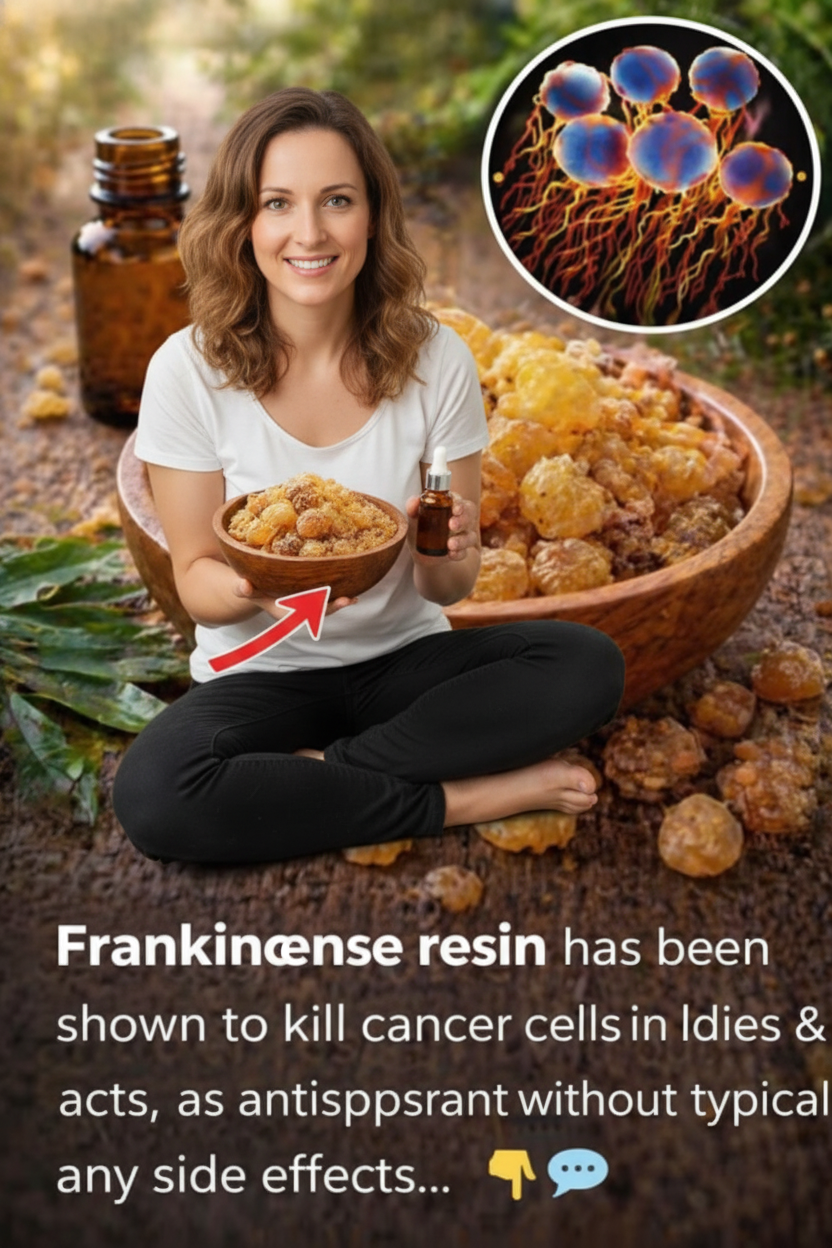
When we talk about frankincense and mood, there’s one molecule that keeps popping up: Incensole acetate. This bad boy is mainly found in Boswellia sacra (your classic frankincense resin) and is thought to be the main player in any potential mood effects.
Evidence
A landmark 2008 mouse study (Moussaieff et al., FASEB Journal) got everyone buzzing. It showed incensole acetate lighting up TRPV3 channels in the brain, leading to antidepressant-like effects in mice – similar to what you’d see with conventional drugs in those classic forced-swim and marble-burying tests. Pretty cool, right? Then, a small 2019 open-label human pilot study (8 weeks, 500 mg Boswellia serrata extract twice daily) reported improved depression scores in folks with moderate depression. That’s encouraging, sure. But here’s the cold, hard truth: we are still missing those large, double-blind, placebo-controlled trials. As of 2025, they simply don’t exist. So, hold your horses before you declare it a miracle cure for your blues.
Bottom line on depression
The preclinical data on incensole acetate is definitely intriguing and makes sense mechanistically. And those early human reports? They’re a nice start. But to call frankincense a “proven antidepressant”? You’ve got to be kidding me. The evidence is far too small. This is not a replacement for your SSRIs, SNRIs, psychotherapy, or any other evidence-based treatments. Period. Don’t gamble with your mental health – seek professional help if you need it.
Realistic & Safe Ways People Use Frankincense Today
So, if it’s not a miracle cure, how are people actually using this stuff safely and smartly? Most evidence-informed use falls into supportive, complementary roles. Here’s the rundown:
Boswellia serrata extract capsules
- What it is: Standardized to 30–65% boswellic acids.
- Common dose: 300–600 mg, 2–3 times daily.
- What it’s used for: Joint inflammation, asthma, IBD (Inflammatory Bowel Disease), and sometimes as a supportive adjunct for brain tumors.
Frankincense essential oil (Boswellia carterii/sacra)
- How to use:
- Inhalation: Diffuse it or put a drop on a tissue. This is where most studies focus for mood and calming effects.
- Topical: Dilute 1–2% in a carrier oil (like jojoba or coconut) and apply for joint pain.
Frankincense resin tea / decoction
- How to make: Simmer 1–2 grams of resin in water for 10–15 minutes.
- Traditional use: A common practice in the Middle East and Africa for various traditional purposes.
Safety & Important Warnings
Before you dive in, know this: Frankincense/Boswellia is generally pretty well-tolerated at standard doses. But “generally” isn’t “always.” Here are the risks and cautions you absolutely need to be aware of:
- Mild GI upset: Nausea and diarrhea are the most common side effects. Nothing fun, but usually not serious.
- Allergic skin reactions: Rare, but can happen. Always do a patch test if applying topically.
- Possible mild blood-thinning effect: This is a big one. If you’re on blood thinners like warfarin, aspirin, or clopidogrel, proceed with extreme caution and talk to your doctor. Seriously.
- May lower blood sugar: If you’re diabetic, you need to monitor your blood sugar levels closely. Don’t mess around with this.
- Avoid high doses in pregnancy: Safety data is limited, so better safe than sorry.
- Quality matters: This isn’t the time to cheap out. Choose reputable brands that are third-party tested for purity. Your health isn’t a gamble.
Bottom Line – 2025 Perspective
So, what’s the final verdict? Frankincense resin and Boswellia extracts definitely show some genuine biological activity. This stuff deserves more serious research – especially for inflammation-driven conditions like arthritis, IBD, asthma, and as an adjunct for brain tumors. And that antidepressant potential of incensole acetate? It’s fascinating, but remember, it’s still mostly preclinical or in very early-stage human data. The bottom line hasn’t changed: the claim that it “kills cancer” or is a “proven antidepressant without side effects&