 By admin
 Let’s be real: facing advanced cancer is like getting hit by a freight train. It crushes you, physically and emotionally, making every single day feel impossibly heavy. Patients and their families are often desperate, scouring every corner of the internet, every whisper of hope, for anything that might make a difference. While standard medical care remains the rock-solid foundation for most journeys (and rightly so!), you can’t blame anyone for looking at every single compound, every lab study, every wild rumor. And that’s exactly how Fenbendazole, a dog dewormer, wormed its way into the cancer conversation.
But hold your horses! Before you jump on the bandwagon, we’re diving deep into a specific 2025 report about three patients who tried this stuff. And trust us, there’s a bombshell update about that very paper you absolutely NEED to hear before you even think about forming an opinion.
Fenbendazole: From Dog Dewormer to Human Hope (Or Hype?) – What’s the Real Deal?
Alright, let’s get one thing straight right off the bat. Fenbendazole? It’s an antiparasitic drug used primarily in veterinary medicine. Think dogs, cats, horses, and livestock – basically, your farmyard friends with worm infections. It belongs to the benzimidazole class and kicks those parasites’ butts by messing with how they absorb nutrients.
Now, don’t get it twisted. While it’s been safely used in animals for ages at approved doses, let’s be crystal clear: regulatory agencies like the FDA have NOT approved this stuff for ANY human medical condition. And that includes cancer. Period. Full stop.
Lab Whispers: The Spark That Ignited the Fenbendazole Frenzy
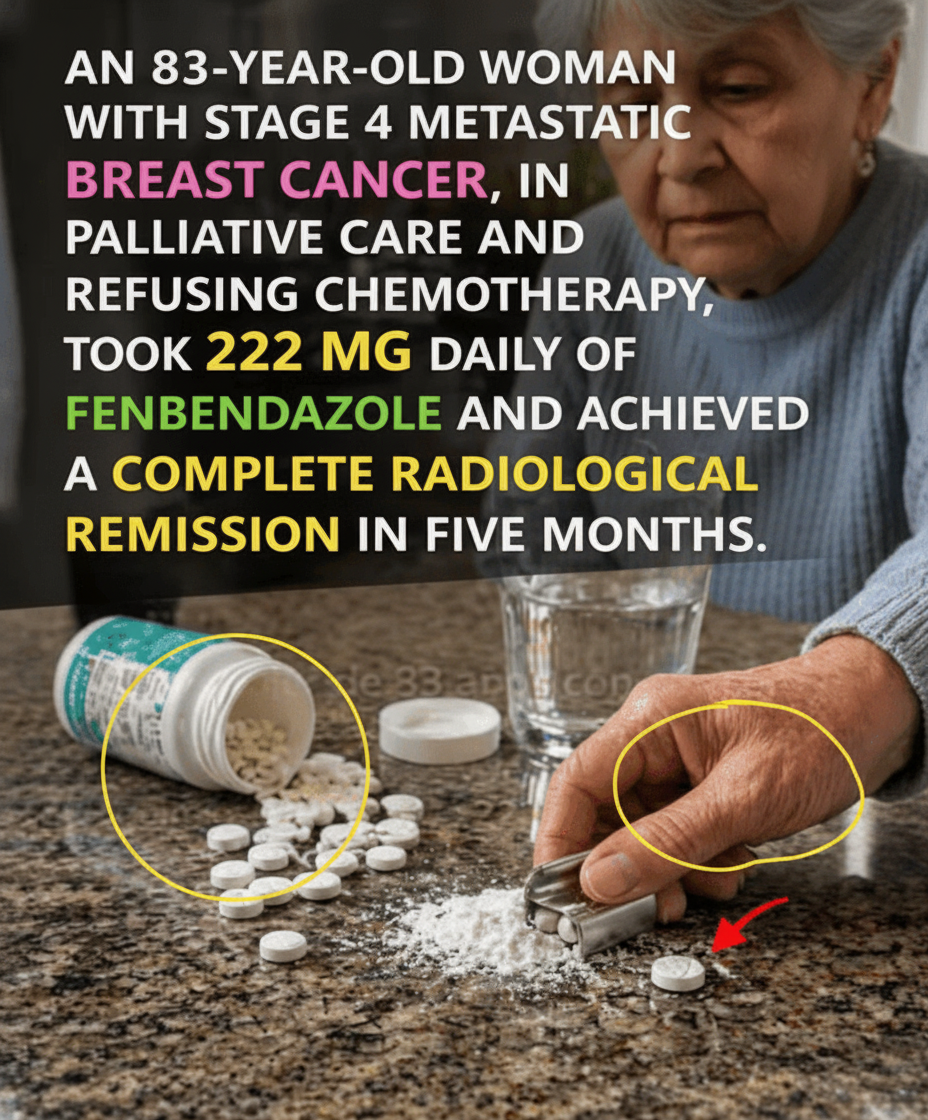
So, where did this whole human-Fenbendazole buzz even come from? Honestly, it started small – in early laboratory studies exploring how certain compounds might affect cell processes. These preclinical experiments looked at things like microtubule disruption and energy metabolism in isolated cells or animal models. Researchers noted mechanisms such as interference with cell division structures or changes in how cells use glucose.
But here’s the cold, hard truth: what happens in a lab dish or a mouse is light-years away from what happens in a complex human body. Translating those ‘might’s and ‘could’s into real-world human situations? That takes a hell of a lot more than a few petri dish experiments. It takes rigorous, proper testing. Don’t fall for the hype just yet. Still, ‘drug repurposing’ research continues because sometimes existing medications can be studied in new contexts to speed up discovery. And that’s precisely why small observational reports sometimes grab headlines and get both the scientific community and the public all riled up.
The Infamous 2025 Case Series: What They Claimed Happened
Alright, buckle up. The story really kicks off in May 2025. The journal Case Reports in Oncology (published by Karger Publishers) dropped a paper that got everyone talking: “Fenbendazole as an