 By admin
 Ever caught a glimpse of those tiny white bumps on your lips or other sensitive skin spots and felt your stomach drop? Yeah, we’ve all been there. That initial surprise quickly morphs into full-blown panic, with your mind racing through every worst-case scenario. You’re probably thinking, “Is this some weird infection?” or “Is my social game about to take a nosedive?” – especially when they pop up out of nowhere. Here’s the deal: take a deep breath. The good news? These little spots, often called Fordyce spots, are usually just a normal part of your skin’s makeup. They’re no threat, period. But wait, here’s the real kicker – stick with us till the end, and you’ll discover simple ways to ditch the stress and feel totally at ease with your skin, for good.
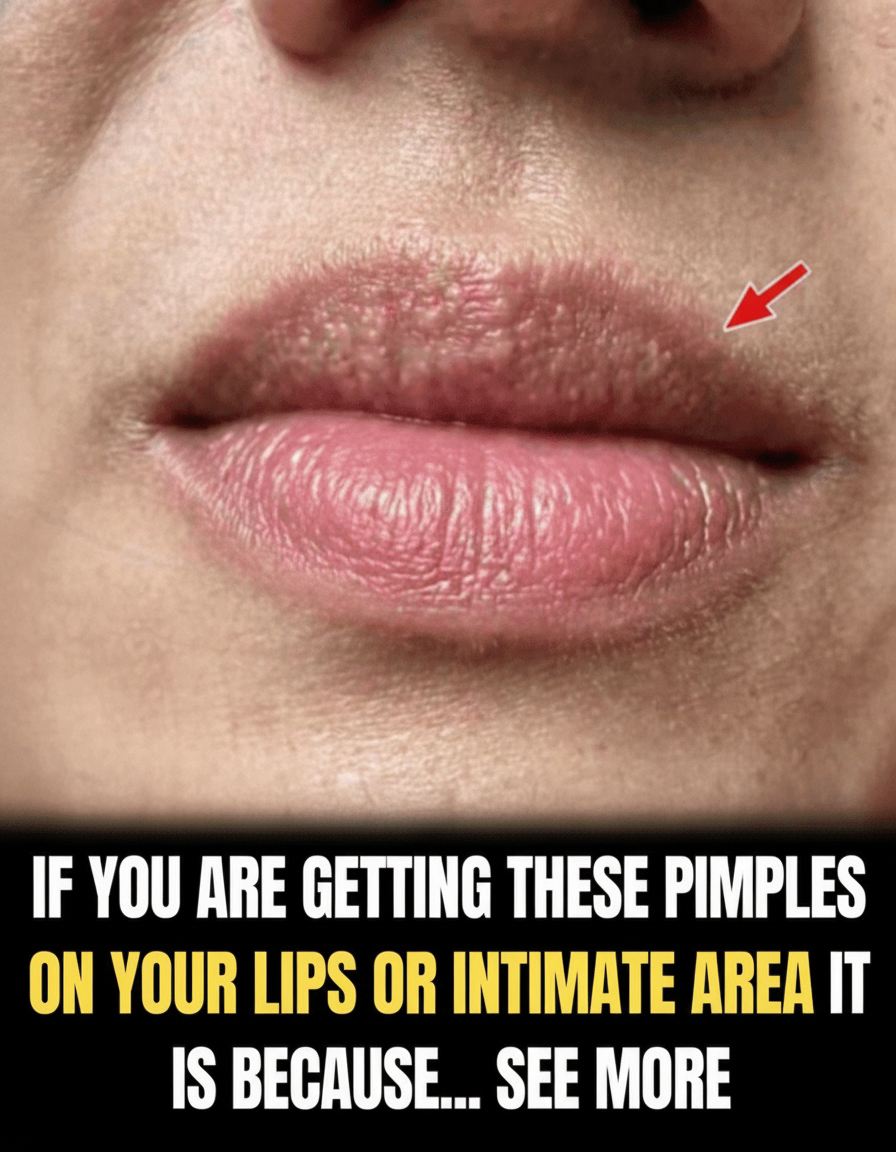
Alright, so what exactly ARE these small white or yellowish-white spots? Let’s get real: they’re essentially oil-producing glands, known as ectopic sebaceous glands, that decided to show up in places you wouldn’t typically expect them. Most sebaceous glands are linked to hair follicles, right? But with Fordyce spots, these bad boys are chilling directly on smooth skin surfaces, no hair required. Dermatological research confirms they’re tiny—think one to three millimeters across—and feel completely smooth to the touch. The best part? They’re painless, cause zero itching, and never get inflamed on their own. Studies show that a whopping 80 percent of adults have them somewhere on their body, making them a standard feature of human skin, not some weird problem. But that’s not the whole story. Many people first notice these small white bumps during or after their teenage years, when hormones kick into overdrive and ramp up oil production across the skin.
So, where do these little rebels usually hang out? Because the skin in certain areas is thinner, these spots become way more noticeable when you stretch or move the tissue. You’ll most often spot them chilling on the edge of your lips or other delicate zones. Here’s the quick lowdown to help you identify these Fordyce spots like a pro:
- Vermilion Border: Look for tiny, pale, or yellowish dots right along the lip edge where it meets your facial skin. Can’t miss ‘em once you know what you’re looking for.
- Inside the Mouth: You might find small clusters of them on your inner cheeks or gums. Sneaky little things, but totally normal.
- Sensitive Zones: Yep, they can show up here too—groups of uniform bumps on intimate skin areas. No need to freak out, it’s just your skin doing its thing.
Unlike some other skin changes you might obsess over, these skin bumps stay consistent in size and color. They don’t spread through contact because, let’s be clear, they’re part of your own natural skin structure. Here’s the surprising truth: once you know what you’re actually looking at, that nagging anxiety usually melts away almost instantly.
Ever wondered why these spots suddenly become visible over time? Most of us are born with these glands tucked beneath the surface, but they stay hidden until puberty hits. Then, hormonal shifts during your teenage years crank up oil gland activity, causing these spots to enlarge and finally show through the skin. Dermatological research backs this up, confirming this timing matches the surge in sebaceous gland function that happens for nearly everyone. And the best part? They are absolutely NOT linked to anything you did or didn’t do. Let’s get this straight: Fordyce spots have nothing to do with:
- Poor hygiene or your daily cleansing habits. Seriously, stop blaming your face wash.
- Your lifestyle choices, like what you eat or how much you hit the gym. It’s not your fault.
- Any kind of external contamination or infection. Don’t even think about it.
Let that sink in, folks. That realization alone brings massive relief for many readers who’ve spent countless hours second-guessing their routines. You’re clean, you’re healthy, and these bumps are just… there.
Alright, how do you tell these Fordyce spots apart from other skin changes that might actually be a problem? It helps to know the differences so you can feel confident about what you see. Here are the key ways Fordyce spots stand out from other common concerns:
- Viral-related bumps: These often feel tender, fill with fluid, and change quickly as they crust or scab. Fordyce spots? Nah, they stay steady and painless, day after day.
- Raised skin growths: Some growths show a bumpy, cauliflower-like texture or appear fleshy. Fordyce spots, however, stay flat or only slightly raised with a uniform look.
- Typical blemishes (like whiteheads): Regular whiteheads usually come with redness or swelling around a blocked pore. Fordyce spots lack inflammation and never behave like clogged pores.
But wait—there’s more. If these spots suddenly go rogue in any way—like becoming itchy, rapidly spreading with a different feel, or just looking plain weird—that’s your cue to chat with a healthcare professional, pronto, for peace of mind. Otherwise, they simply reflect your skin doing its natural oil-producing job. No drama, just biology.
So, what can you actually DO to feel more comfortable with your skin? Look, no action is truly required for these harmless spots. But if you’re like many people who want to boost their overall skin comfort and confidence, there are simple steps. These gentle habits fit easily into your daily routine and focus on keeping your skin happy and healthy.
We hope this no-BS guide has cleared up the mystery surrounding those small white bumps on your lips and skin. You’re not alone, and your skin is just doing its thing! Feeling more confident about your skin health? Awesome! For more insider tips and tricks to keep you looking and feeling your best, don’t forget to explore other articles on our site. Your skin (and your peace of mind) will thank you!