 By admin
 Let’s be real, your skin ain’t what it used to be, right? Those sneaky fine lines, the uneven tone making you look like you pulled an all-nighter, and those damn under-eye circles screaming ‘tired’ even when you’ve had plenty of rest and water. These everyday skin battles can absolutely wreck your confidence when you peek in the mirror. So, naturally, we’re all on the hunt for affordable, natural fixes that fit into our crazy busy lives.
That’s where baking soda – yeah, the same simple pantry staple you use for baking or scrubbing the kitchen – has blown up in countless skincare conversations as a potential DIY hero. But hold up, buttercup! Before you go grabbing that orange box from your cabinet, there’s some critical info every single one of you needs to know. In this no-BS guide, we’re gonna tear into this viral trend, expose what people are actually trying, and drop the real science behind it. So you can finally make smart, informed choices for your precious skin.
What Makes Baking Soda a Skincare Topic?
Baking soda, or sodium bicarbonate, is basically a mild alkaline compound, chilling with a pH of around 9. For ages, folks have used it as a gentle household abrasive for everything from getting your teeth sparkling to making your laundry smell fresh. In the skincare scene, enthusiasts are mixing it with water or other ingredients to whip up pastes or masks, convinced its texture and properties can somehow give your skin a fresh start.
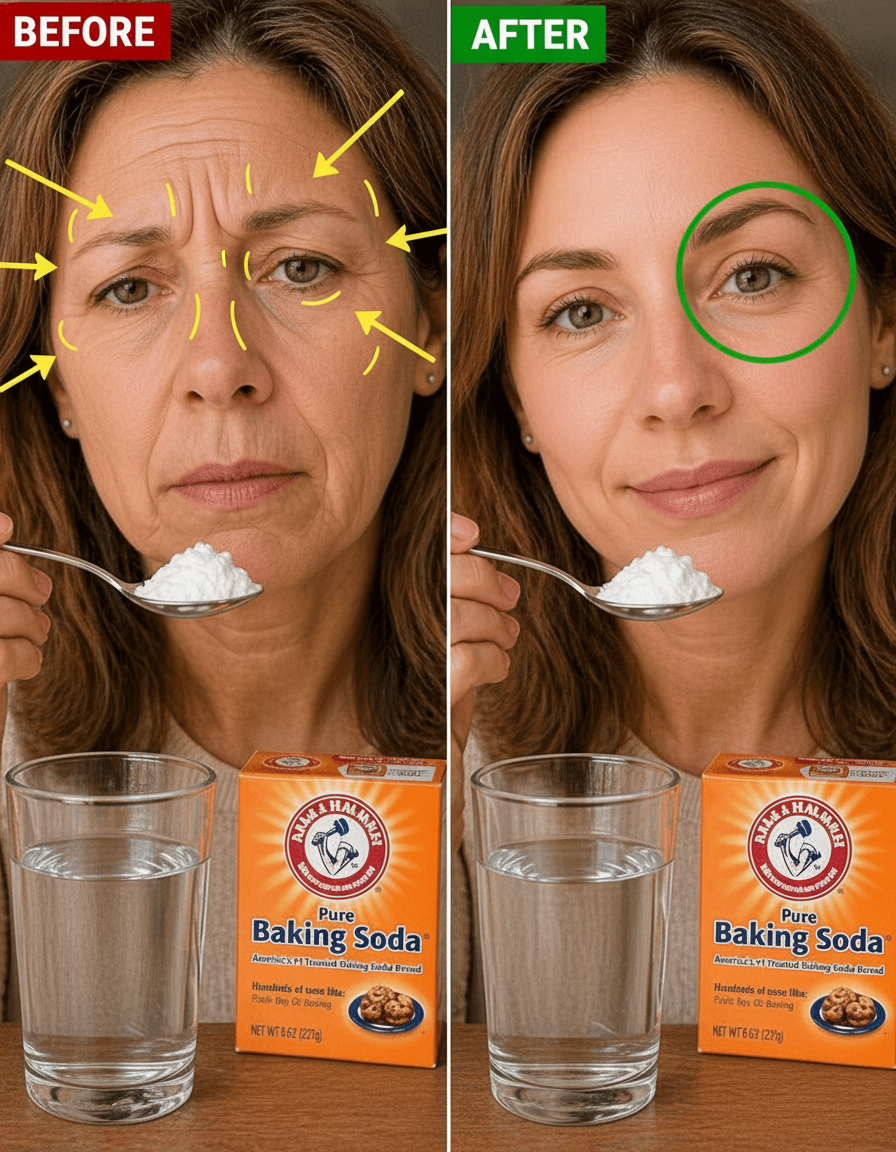
Those viral images you’ve probably scrolled past – you know, the spoonful of white powder next to glasses of water and that familiar orange box – they always push this simple approach as some easy, at-home ritual. The idea is straightforward, almost too good to be true: many hope it acts like a physical exfoliant, scrubbing away dead skin cells to reveal a brighter, smoother look.
But here’s the kicker, and experts are constantly yelling this from the rooftops: skin health is way more complex than any single kitchen hack. Don’t get played!
Popular Claims About Baking Soda for Common Skin Concerns
You’ve definitely seen the posts, right? The ones swearing baking soda can zap away dark spots, smooth out fine lines, and even banish those pesky under-eye shadows. The believers point to its mild scrubbing action and its knack for soaking up excess oil as reasons it might leave your skin feeling cleaner and looking more even. Some recipes out there call for a super simple paste of baking soda and water, slapped on briefly as a mask or a spot treatment.
And here’s the juicy part that keeps this whole conversation buzzing: the internet is flooded with anecdotal stories. People trying it once or twice a week and reporting a temporary ‘glow’ from the exfoliation. But let’s be honest, these stories rarely give you the full picture – like how YOUR individual skin type might just freak out.
So, what are some folks out there *trying* (and listen up, because these come with major warnings):
- Mixing a tiny bit of baking soda with water to form a thin paste for a ‘gentle’ face scrub.
- Combining it with honey or other kitchen items for a quick mask session.
- Using it sparingly on targeted areas, instead of slathering it all over their face.
These methods are plastered all over DIY beauty communities, but remember this: popularity doesn’t always equal safety or effectiveness. Seriously, don’t confuse clicks with credibility.
What Science and Dermatologists Actually Say
Alright, this is where we get down to brass tacks. Listen up, because this part is crucial. Dermatologists and trusted sources like Healthline are screaming it: baking soda’s sky-high pH can absolutely wreck your skin’s natural acidic barrier (which ideally should be chilling around 4.5–5.5). This acid mantle? It’s your skin’s superhero, protecting it against irritation, bad bacteria, and moisture loss.
When you mess with that barrier, your skin can turn into a dry, sensitive mess. It can even become more prone to issues that actually make the appearance of those spots, lines, or dullness even WORSE over time. Yeah, you heard that right.
And here’s the cold, hard truth: research shows next to zero evidence supporting baking soda as a legitimate cosmetic solution for facial concerns. While it *might* offer some mechanical exfoliation in very controlled, super infrequent use on thicker skin areas (like your elbows or feet), most experts are vehemently against regular facial application.
We’re talking serious potential downsides here: irritation, outright barrier damage, increased sensitivity, and in some cases, it can even worsen uneven tone – especially for medium or deeper skin tones. The shocking truth? What feels like a quick refresh can sometimes lead to long-term setbacks if your skin barrier isn’t properly supported afterward. Don’t trade a quick ‘glow’ for a lifetime of regret.
Pros and Cons of Trying Baking Soda on Your Face
To help you weigh your options clearly, because we believe in giving you the whole picture, here’s a straightforward comparison:
| Aspect | Potential Upside | Important Downsides |
|---|---|---|
| Exfoliation | May remove surface dead skin cells | Can be too abrasive and cause micro-tears |
| Oil control | Temporarily absorbs excess oil | May strip natural oils, leading to dryness |
| Cost and accessibility | Inexpensive and already in most kitchens | Risks outweigh benefits for most skin types |
| pH impact | None (neutral in very diluted use) | Highly alkaline — disrupts skin’s acid mantle |
| Evidence level | Anecdotal popularity | Limited scientific support; expert warnings against regular facial use for most people |
So there you have it, the unvarnished truth about using baking soda in your skincare routine. We know you’re looking for the best for your skin, and we’re here to deliver nothing but top-tier, honest advice. Your skin deserves respect, not random kitchen experiments!
Thanks for trusting us to bring you the real scoop. Keep your skin glowing (the right way!) and stay tuned for more game-changing tips and insights right here on dogpjs.com. We’ve got your back!