 By admin
 Amlodipine Got You Feeling Off? Here Are the 12 Side Effects Everyone’s Talking About & How to Fight Back!
So, you’re on amlodipine, trying to get that blood pressure in check, right? And now your body’s sending you signals, acting a little weird after just a few days or weeks? You’re not alone. Those swollen legs, that persistent headache, or the sudden flush that makes you feel like you’re on fire – yeah, they can really mess with your day, turning simple tasks into a battle.
Listen up: these experiences are way more common than you think. It’s enough to make you wonder what the heck is going on and if this medication is even worth it. But here’s the kicker – most of these effects are mild, and with the right intel and a few smart moves, you can totally get a handle on them. Knowing exactly what to watch out for puts you back in the driver’s seat, keeping your health goals on track without feeling like you’re losing control.
But hold up! There’s one simple, often-missed daily habit that could be a total game-changer for many. We’re dropping that secret toward the end of this guide, so stick around!
What Is Amlodipine and Why Do Side Effects Happen?
Alright, let’s break it down. Amlodipine is part of a crew called calcium channel blockers. Its job? To chill out your blood vessels, making it easier for blood to flow, which in turn helps bring down that blood pressure and even ease chest pain for some folks. Pretty neat, right?
But because this medication is out there, literally affecting blood flow all over your system, your body might throw a few curveballs as it tries to adjust. Don’t just take our word for it; clinical trials and real-world reports from big names like the Mayo Clinic and NHS confirm that while most people handle amlodipine just fine, a chunk of users will definitely notice one or more of these effects. The good news? A lot of these issues smooth out over time or with a few easy lifestyle tweaks. No need to panic.
The 12 Common Side Effects of Amlodipine
Ready for the lowdown? Here’s a straight-up list of the 12 side effects people report most often. We’re telling you why they pop up and how common they are, based on solid clinical data. No sugar-coating, just facts.
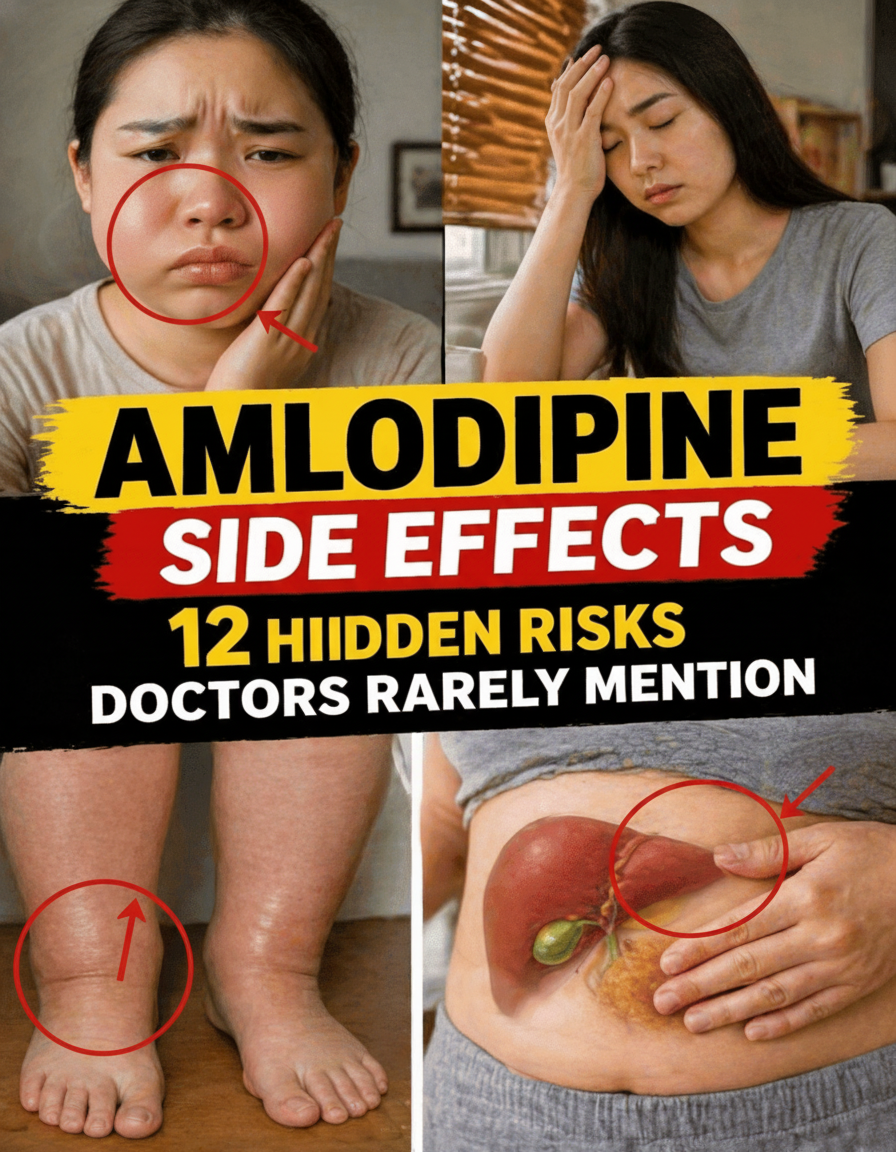
- Swelling in the ankles, feet, or legs (peripheral edema): This is the big one, hitting up to 10–15% of users. Your meds are relaxing those small blood vessels, and all that fluid decides to throw a party in your lower half.
- Headaches: Many folks get these, especially when they first start. It’s your blood flow doing a little dance. Usually, they’re mild and peace out within a week or two.
- Dizziness or lightheadedness: Your blood pressure drops, and suddenly you feel like you’re walking on a boat, especially when you stand up too fast. Watch your step!
- Flushing or warmth in the face, neck, or chest: That sudden blast of heat or redness? It’s because your blood vessels decided to open up super quick. Hello, instant blush!
- Fatigue or unusual tiredness: Feeling more wiped out than usual, especially in those first few weeks? Yep, that’s a common one.
- Palpitations or feeling your heartbeat: Suddenly, you’re super aware of your own ticker going a bit faster or harder. Your body’s just adjusting to those relaxed vessels.
- Nausea or stomach discomfort: A mild upset stomach or feeling queasy? Another relatively common reaction that can catch you off guard.
- Drowsiness or sleepiness: Feeling like you could nap all day? Clinical studies confirm that daytime sleepiness is a thing and can zap your energy levels.
- Abdominal pain: Some folks get general stomach aches. Good news is, they usually don’t stick around long.
- Skin rash or itching: Mild skin reactions can pop up, but these are less frequent. Still, keep an eye out.
- Gum swelling or tenderness: Changes in your gums are less common, but they’ve been noted with long-term use. Keep brushing and flossing!
- Rare effects such as facial swelling or liver-related changes: Okay, these are the super rare ones, like swelling around your lips or face (angioedema) or weird shifts in liver enzymes. We’re talking less than 1 in 10,000 cases, according to safety data. But hey, good to know, right?
But that’s not the whole damn story. Most of these effects are tied to your dosage and often fade into the background as your body gets used to the medication. Your system is smarter than you think!
Why Some Side Effects Feel More Noticeable Than Others
Here’s something that might blow your mind: a lot of these reactions actually come from the very same thing that makes amlodipine work its magic – widening those blood vessels! Research clearly shows that cranking up the dose often jacks up your chances of swelling and flushing. That’s exactly why your doctor usually starts you on a low dose and slowly, carefully, brings it up. Smart move, doc!
Practical Tips to Manage Side Effects of Amlodipine
You don’t have to just grin and bear the discomfort. Seriously. Here are some no-nonsense, doctor-approved strategies that countless people are using right now to feel better:
- Elevate your legs: Kick those feet up for 15–20 minutes, a few times a day. It’s like giving your swollen legs a much-needed break and helps drain that fluid.
- Stay hydrated and cut the salt: Drink plenty of water and think about easing up on the salt. It’s a simple combo that seriously helps with fluid balance.
- Rise slowly: Going from sitting or lying down to standing? Take your sweet time. This minimizes that dizzy spell and keeps you steady.
- Take your meds consistently: Pop that pill at the same time every single day. Keeping levels steady in your system can make a world of difference.
- Track your symptoms: Grab a notebook or use an app. Jot down what you’re feeling and when. This way, you’ve got solid info to chat about with your healthcare provider – no guesswork!
Studies in hypertension management are crystal clear: small, consistent habits like these aren’t just suggestions; they’re often the secret sauce to feeling better while sticking to your prescribed treatment. It’s all about taking control, one step at a time.
When to Contact You
This is where we leave you empowered to tackle your health head-on! We hope this deep dive into Amlodipine’s side effects has given you the clarity and confidence you need. Keep pushing for your best health, and don’t forget to explore our other health guides on the site for more game-changing tips and insights!