 By admin
 Amlodipine Got You Feeling Off? Here’s What Older Adults *Really* Need to Know!
Alright, let’s get real for a sec. Ever had that moment? You’re just trying to get ready in the morning, slip on your shoes, and suddenly, boom! They’re tighter than a drum. You glance down, and your ankles? A bit puffy. Later, you catch your reflection, and your face seems… well, a little fuller than usual. It’s so easy to shrug it off, blame it on getting older, the weather, or just a “bad day,” but deep down, something feels off, doesn’t it? Here’s the kicker: Loads of older adults are feeling these sneaky changes and never, *ever* connect ’em to their meds. The discomfort builds slowly, often brushed aside… until it becomes too obvious to ignore. And let me tell you, what many don’t realize is this: your body might already be screaming out early warning signals you absolutely shouldn’t overlook.
1. Swollen Feet and Ankles: The Most Common Complaint
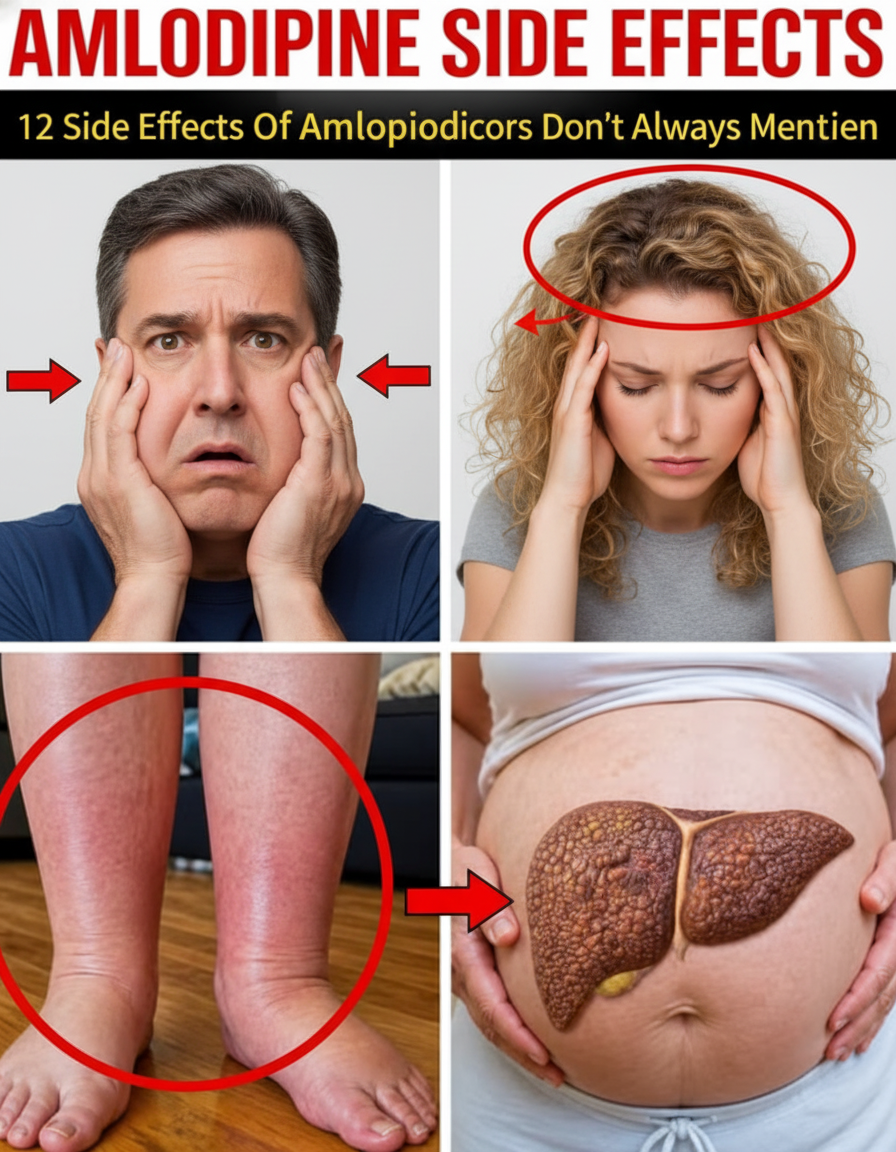
If there’s one side effect that pops up more than any other, it’s that annoying swelling in your lower legs and feet, commonly known as edema. What gives? Amlodipine, while doing its job for your blood pressure, relaxes your blood vessels a bit too much, letting fluid pool in the surrounding tissues. For many seniors, this becomes super noticeable by the end of the day. You might find yourself dealing with:
- Shoes that feel like they’ve shrunk by evening
- Puffy ankles or feet that look like balloons
- Those sock indentations that stick around way longer than they should
But here’s the part many totally miss… While this type of swelling usually isn’t life-threatening, it’s no joke. It can seriously cramp your mobility, make walking a real pain, and even crank up your risk of skin irritation. So, what’s a savvy senior to do? Try these helpful habits:
- Prop those legs up above your heart level for 20 minutes daily – seriously, it helps!
- Cut back on salty foods, especially those sneaky processed snacks
- Take short walks to keep that blood flowing and prevent stagnation
2. Facial Puffiness and Warm Flushing
Some folks notice their face looking a bit fuller or even slightly red, especially first thing in the morning or right after taking their dose. This happens because those tiny blood vessels near your skin decide to widen, boosting blood flow. Watch out for these common signs:
- Rosy red cheeks or a flushed look that seems to come out of nowhere
- A slight puffiness around the eyes – like you haven’t slept in days
- A warm, tingly sensation on your face
Now, here’s the straight talk… While this can feel alarming and might make you do a double-take in the mirror, it’s usually harmless. BUT, and this is a big BUT, if you experience sudden or severe swelling – especially around your lips or throat – drop everything and get it checked IMMEDIATELY. No dilly-dallying!
3. Headaches That Seem to Appear Out of Nowhere
Listen up, headaches are a pretty common guest when you first start taking amlodipine. Why the sudden pounding? Simple: your blood vessels are just getting used to this new level of relaxation and pressure. You might feel:
- A dull, throbbing sensation that just won’t quit
- Pressure behind your eyes, like they’re about to pop
- Headaches that play peek-a-boo, coming and going as they please
But wait, there’s more… For a lot of people, these pesky headaches usually fade away after the first few weeks. If they decide to stick around longer than an unwanted relative, it’s definitely worth a chat with your healthcare provider. Don’t just suffer in silence!
4. Dizziness When Standing Up
This one, my friends, is SUPER important, especially for older adults. Because amlodipine is busy lowering your blood pressure, you might feel a sudden rush of dizziness if you stand up too quickly. Sound familiar? Symptoms often include:
- Lightheadedness that makes your head spin
- A brief, unsettling spinning sensation, like the room is doing a jig
- Feeling totally unsteady on your feet – like you’re walking on a boat
And here’s precisely why this matters so much… Falls are one of the absolute leading causes of injury in seniors. Seriously, even a mild bout of dizziness should be taken with utmost seriousness. Here’s a simple safety tip that could save you a nasty tumble:
- Give yourself a few extra seconds. Pause for a beat or two when moving from sitting to standing. It’s not a race!
5. Unusual Fatigue or Low Energy
Feeling more wiped out than usual, even when you haven’t done much? This ain’t just “getting old,” folks. This can totally look like:
- Needing more naps or rest breaks throughout your day
- Feeling sluggish or just plain slower than molasses
- A noticeable drop in motivation to do… well, anything!
Here’s something important to chew on… Many people just chalk this up to aging, but guess what? Your medication can absolutely be playing a role. Don’t dismiss it!
6. Heart Palpitations or Awareness of Heartbeat
Some individuals start noticing their heart doing a little dance, beating more noticeably than before. This might feel like:
- A strange fluttering sensation in your chest
- Your heart skipping a beat or two, then catching up
- Sudden, strong heartbeats that make you do a double-take
While often mild and not a huge deal on its own, this is definitely something you shouldn’t just brush off – especially if it starts happening frequently. Better safe than sorry, right?
7. Nausea or Digestive Discomfort
Yep, your digestive system can also get a little wonky, particularly when you’re just starting out on this medication. You might notice:
- A mild queasy feeling or general nausea
- An upset stomach that just won’t settle
- A reduced appetite, making food less appealing
The good news? Take a breath. These symptoms often get their act together and improve as your body adjusts over time. Patience is key here!
8. Skin Changes or Mild Rash
Though not as common, some folks do develop skin reactions. Keep your eyes peeled for:
- Red patches that pop up out of nowhere
- Itching that drives you crazy
- Areas of skin that feel extra sensitive to the touch
If that rash starts spreading like wildfire or becomes super uncomfortable, don’t play doctor. It’s best to consult a healthcare provider pronto.
9. Gum Swelling and Oral Changes
Okay, this one often catches people completely off guard! Amlodipine can sometimes cause your gums to overgrow, especially if you’ve been on it for the long haul. Watch out for these signs:
- Gums that look puffy or noticeably enlarged
- Bleeding when you brush, even gently
- Changes in the actual shape of your gums
So, what helps keep your pearly whites (and gums) in check?
- Brush and floss like a pro, regularly!
- Don’t skip those dental check-ups – they’re more important than you think!
10. Shortness of Breath
This symptom is less common, but absolutely crucial to pay attention to. You might notice:
- Difficulty breathing, even during light activity that used to be a breeze
- Feeling winded way more easily than before
- A tightness in your chest that just feels wrong
Let me be crystal clear: This symptom should *never*, ever be ignored. If you’re experiencing this, it’s a serious call to action.
11. Weight Gain from Fluid Retention
Some people notice a gradual increase in weig
And there you have it, folks – a no-nonsense rundown of Amlodipine’s potential side effects, especially for older adults. Your health is your wealth, so pay attention to what your body is telling you. Don’t just dismiss these signals; they’re your body’s way of asking for help.
Stay informed, stay healthy, and keep exploring our site for more practical tips and guides to navigate your health journey. We’re here to help you live your best life!
”
}
“`