 By admin
 Baking Soda for Your Face: The Raw Truth About Dark Spots, Wrinkles & Under-Eye Circles!
Let’s be real, who hasn’t woken up, squinted at the mirror, and groaned at those stubborn dark spots that just won’t quit? Or maybe it’s those fine lines, suddenly looking like a roadmap on your face, or the shadowy under-eye circles that make you look like you haven’t slept in a week, even after a full eight hours. These everyday skin woes can seriously chip away at your confidence, turning mirror checks into full-blown frustration and making you dread photos or even just showing up at work feeling less than your best. You’ve probably shelled out big bucks for fancy creams and serums promising magic fixes, only for them to fall flat, leaving you scrambling for something simpler, something *real*, perhaps even right there in your kitchen pantry. That’s exactly why baking soda has exploded into a viral skincare trend – and trust us, this is where things get interesting.
In this no-BS guide, we’re gonna walk you through how some folks are actually slapping this stuff on their faces, spill the beans on a super straightforward recipe you can whip up at home, and most importantly, hit you with the cold, hard facts from dermatologists and skincare pros that you absolutely NEED to know before you even *think* about experimenting. Don’t go rogue without reading this first, okay?
Why Baking Soda Has Become a Skincare Staple in DIY Routines
Baking soda, aka sodium bicarbonate, is basically that unsung hero chilling in most of our pantries, usually for baking cookies or scrubbing grime. But here’s the kicker: its mildly abrasive texture and natural knack for gently sweeping away surface junk have made it a social media darling in countless beauty hacks. We’re talking everything from brightening dull skin to smoothing out rough patches. But let’s get one thing straight: it’s no miracle potion, folks. People are totally hooked because it’s dirt cheap, literally always on hand, and feels like such an easy add-on to an already packed routine. Some users swear their skin feels softer than a baby’s bottom and looks a bit more even after giving it an occasional whirl, which is precisely why this trend just keeps on spreading like wildfire. The appeal is legit, especially when life’s a whirlwind and you’re desperate for quick, low-cost ways to refresh your look. But really understanding the ‘why’ behind all the buzz is key to figuring out if this little white powder is actually a good fit for *your* skin’s needs.
What the Science and Experts Actually Say About Baking Soda for Skin
Alright, let’s get serious for a hot minute and listen to the pros. Dermatologists are quick to point out that baking soda is pretty darn alkaline, rocking a pH around 9. Now, your skin? It likes to keep things a bit more acidic, chilling comfortably between 4.5 and 5.5. This huge pH clash can temporarily mess with your skin’s natural barrier – that crucial shield that locks moisture in and keeps nasty irritants out. Research, backed by trusted sources like Healthline, clearly states that while baking soda *can* act like a physical exfoliant, sloughing off dead skin cells and excess oil from the surface, it simply doesn’t dive deep enough to tackle the real issues, like true pigmentation changes or collagen woes. So, any ‘glow’ you might see in the short term? That’s usually just a surface-level cleanup, not a fix for the root causes like sun damage or the unavoidable march of aging.
But hey, here’s a little good news: when used super sparingly and done right, many folks with normal skin can handle it without a major meltdown. The absolute golden rule here is moderation – seriously, don’t go wild – and you gotta listen to your skin every single step of the way. If it screams, you stop. Simple as that.
A Simple Baking Soda Skincare Recipe You Can Try at Home
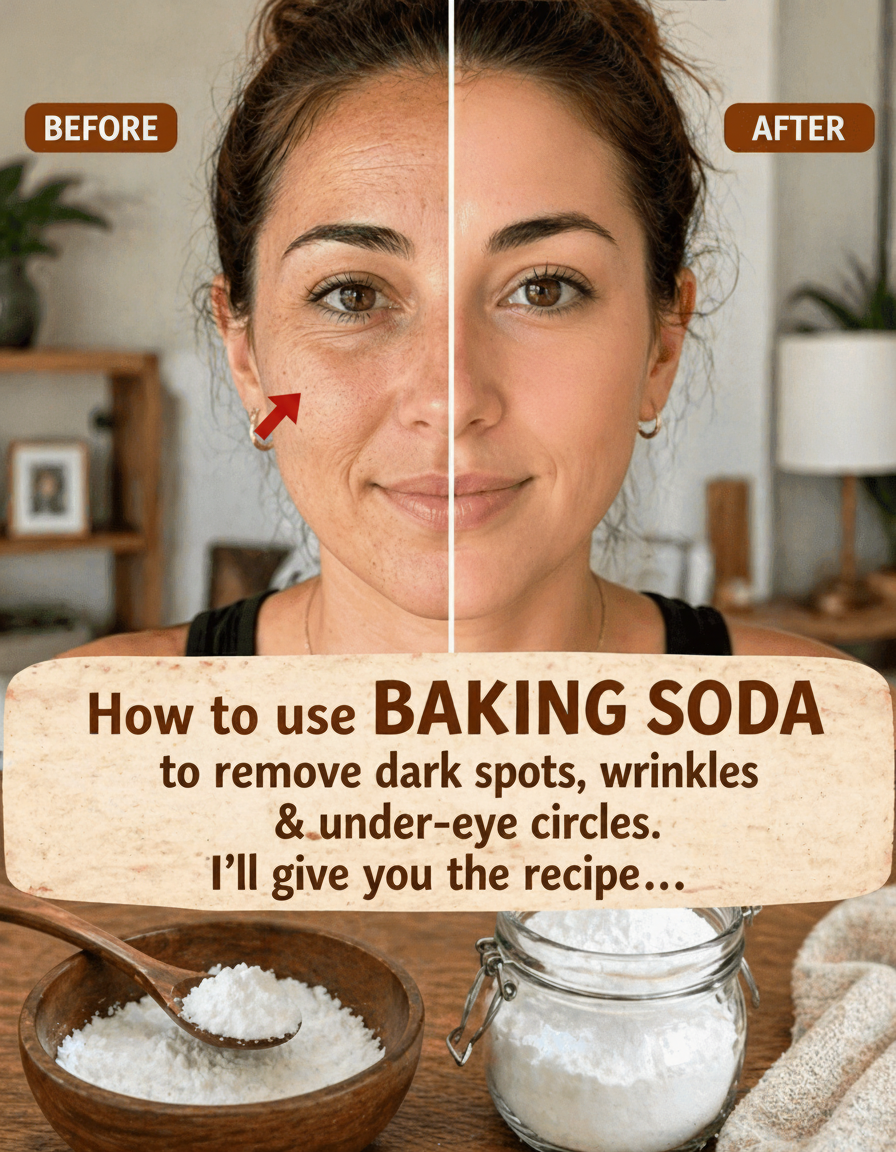
Ready to get your hands dirty? Here’s that viral DIY option everyone’s buzzing about. This gentle paste mixes baking soda with soothing honey, creating a mask-style treatment that many people use once or twice a week. It’s easy, it’s cheap, and it’s right from your kitchen!
Ingredients (makes one use):
- 1 teaspoon baking soda
- 1–2 tablespoons raw honey (or warm water if you prefer a simpler version)
- Optional: a drop of your favorite gentle essential oil like lavender (make sure it’s properly diluted!)
Step-by-Step Instructions:
- In a small, clean bowl, mix the baking soda and honey (or water) until you get a smooth, spreadable paste. It should feel a bit gritty, but not like you’re mixing cement.
- Start with skin that’s totally clean and dry. Seriously, don’t skip this. And before you put it on your face, do a patch test on your inner forearm first and wait a full 24 hours to check for any weird reactions. Don’t be a hero.
- Using clean fingertips, apply a thin layer to your face, making sure to completely avoid that super delicate eye area. Use light circular motions for a gentle exfoliation – no scrubbing like you’re trying to remove baked-on grime from a pan!
- Leave it on for no more than 5–10 minutes. You might feel a mild tingling, and that’s usually normal, but if it starts to feel uncomfortable or burny, STOP immediately! Your skin is talking to you.
- Rinse thoroughly with lukewarm water, gently pat your face dry, and follow up immediately with a rich, nourishing moisturizer to bring back that much-needed hydration.
This recipe is as straightforward as it gets and uses stuff you probably already have lying around. But remember, results are a wild card – they vary from person to person – and this is absolutely NOT a substitute for a consistent, daily skincare regimen. Your skin deserves more than just occasional DIY experiments, okay?
How to Use Baking Soda Safely — Expert-Backed Tips to Protect Your Skin
Listen up, safety first! When you’re messing with any new ingredient, especially something as potent as baking soda, you gotta be smart. Here are some rock-solid guidelines to keep your precious skin happy and healthy:
- Always patch test — Slap a tiny bit on a less sensitive area (like behind your ear or on your inner arm) and keep an eye on it for 24–48 hours. No redness? No itching? You might be good to go.
- Limit frequency — Use no more than 1–2 time
So there you have it, folks! The real deal on baking soda for your skin. We hope this deep dive helps you make an informed decision and keeps your skin looking its best. Don’t be a stranger – we’ve got a ton more killer skincare tips and tricks waiting for you across our site. Keep exploring, keep learning, and keep that glow going!