 By admin
Let’s be real. You’ve probably noticed those pesky uneven skin tones, those fine lines creeping in, or those tired-looking under-eye bags staring back at you in the mirror. We all do! These common skin concerns aren’t just minor annoyances; they can seriously mess with your confidence, especially when a camera flash or a harsh bathroom light puts them on full blast. So, what’s a budget-savvy beauty lover to do? Many start digging through their pantry, and that’s often where baking soda, the ultimate kitchen staple, enters the chat.
In this no-holds-barred guide, we’re diving deep into how people are actually using this everyday powder in their skincare routines. But hold up – we’re also spilling the tea on how to do it *safely*. Keep reading, because we’re about to drop some practical tips, simple DIY recipes, and crucial warnings that could totally transform your daily skincare game, or save you from a major skin drama. You don’t want to miss this!
Why Baking Soda Pops Up in Skincare Conversations
Alright, so what’s the deal with baking soda, aka sodium bicarbonate, suddenly becoming a skincare star? Well, for starters, it’s probably chilling in your kitchen cabinet right now. It’s a mild abrasive and an alkaline substance, and some beauty enthusiasts swear by mixing it into pastes or scrubs. Their big hope? A gentle exfoliating effect that promises smoother, more even-looking skin. While it’s definitely not a miracle worker – let’s get that straight – its easy availability and dirt-cheap price tag make it super intriguing for anyone exploring natural, DIY beauty hacks.
Now, here’s where we get real: your skin is precious, and it’s delicate. It’s got a natural pH balance, usually hanging out between 4.5 and 5.5. Baking soda, on the other hand, is sitting pretty at around 9. See the problem? Using it too often or too strongly can totally throw your skin’s natural balance out of whack. Many dermatologists are waving red flags about this, noting it can lead to dryness, irritation, or even worse for some skin types. So, understanding both why it’s tempting and why you need to be careful is key to making smart choices for your gorgeous face.
Understanding Common Skin Concerns: Dark Spots, Fine Lines, and Under-Eye Circles
Let’s face it, we’ve all been there, staring at those dark spots that popped up after a little too much sun, or a stubborn breakout, or just because, well, aging happens. Then there are the fine lines and wrinkles, those little tell-tale signs that show up over time thanks to collagen changes, all those expressions we make, and our daily grind. And don’t even get me started on under-eye circles – those can be a nightmare, coming from genetics, lack of sleep (guilty!), thinning skin, or annoying allergies. These issues are universal, and trust me, everyone’s looking for gentle ways to get that brighter, more rested look without breaking the bank.
While you shouldn’t expect your kitchen cabinet to solve all your skin woes – let’s be realistic – some folks do report that occasional, *very diluted* use of baking soda, as just one small part of a bigger routine, can give them a temporary refreshed feeling thanks to light surface exfoliation. But here’s the kicker: solid research on its direct benefits for these specific concerns is still pretty scarce, so your mileage may vary. Don’t go expecting a total overhaul!
Safety First: What Experts Say About Using Baking Soda on Skin
Alright, listen up! Before you even *think* about slathering any new ingredient on your face – especially something as potent as baking soda – patch testing is absolutely non-negotiable. Seriously, apply a tiny dab of your concoction to the inside of your forearm and wait a full 24 hours. Check for any redness, itching, or discomfort. If anything feels off, STOP! Dermatologists are generally pretty vocal about using extreme caution with baking soda on your face, and for good reason. Its alkaline nature and abrasive texture might temporarily scrub away some dead skin cells, but it can also wreak havoc on your skin barrier, leaving you with increased sensitivity, redness, and a whole lot of regret. If you have dry, sensitive, or eczema-prone skin, you need to be extra, extra careful. Always, and I mean *always*, prioritize products formulated specifically for facial use, and if you’re ever in doubt, consult a dermatologist for personalized, expert advice. Your skin will thank you.
Simple Baking Soda Skincare Ideas to Try (With Caution)
Okay, if you’ve made it this far and you’re still feeling brave, here are a few popular, gentle approaches that are buzzing in beauty communities. But a massive heads-up: these are NOT medical treatments. Use them super sparingly – we’re talking no more than once or twice a week, tops – and if you feel even a whisper of irritation, stop immediately. Your skin’s health is paramount, always!
Basic Baking Soda Paste
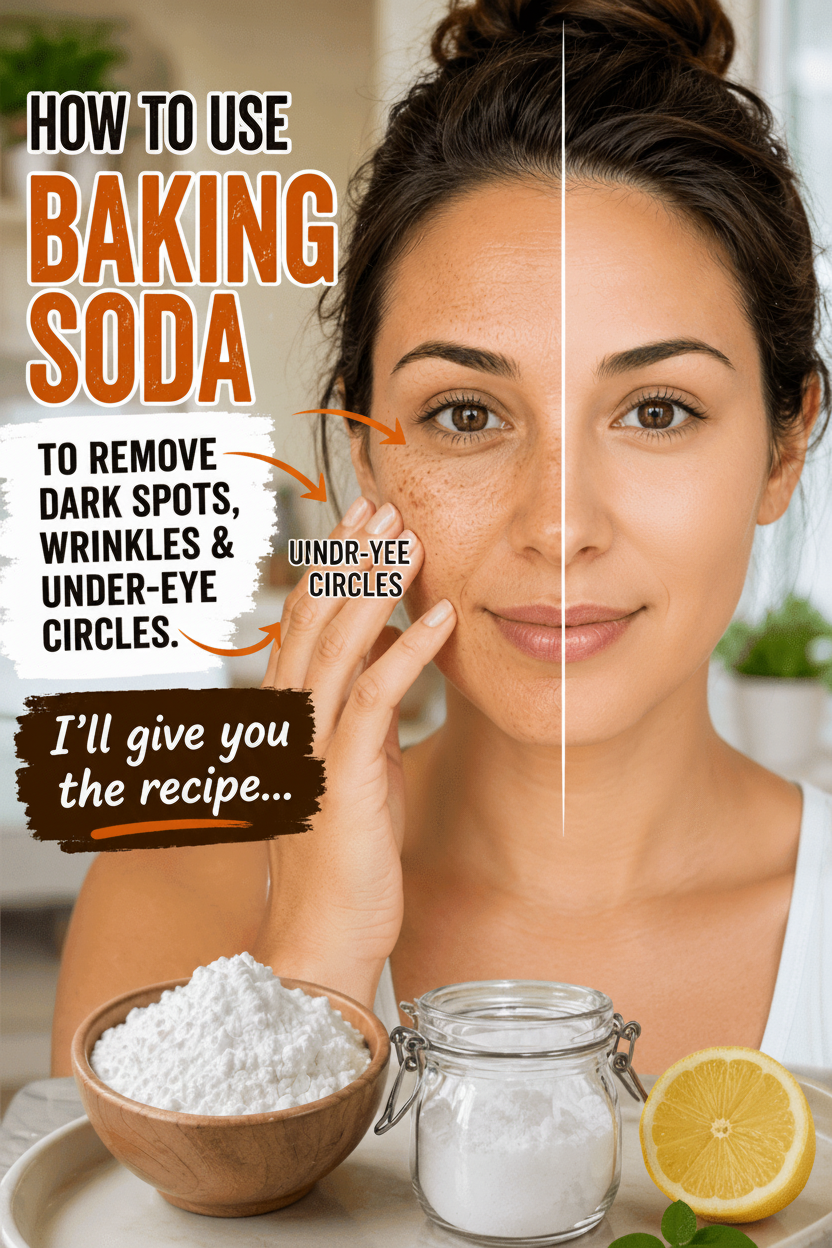
Want to try the OG method? Here’s how: Grab 1 teaspoon of baking soda and mix it with 2-3 teaspoons of water until you get a thin, spreadable paste. With clean fingertips, apply it to clean, damp skin. Then, gently, and I mean *gently*, massage it in circular motions for just 30-60 seconds. Don’t go scrubbing like you’re cleaning a dirty pot! Rinse it all off thoroughly with lukewarm water and pat your skin dry. Finish up with a good, gentle moisturizer to lock in some hydration.
Honey and Baking Soda Blend for Smoother Feel
Looking to kick it up a notch and add some extra TLC? Combine 1 teaspoon of baking soda with 1 tablespoon of raw honey. Why honey? Because it’s a natural humectant, meaning it helps draw moisture into your skin, which can totally help balance out any potential dryness from the baking soda. Use this as a mask, but for no more than 5-10 minutes, seriously! Then, rinse it off completely.
Gentle Under-Eye Area Tip (Extra Caution Needed)
Listen, the skin under your eyes is ridiculously thin and delicate. Most experts will tell you to avoid baking soda here altogether, and honestly, that’s probably the smartest move. But if you’re feeling adventurous and absolutely insist on experimenting, you MUST dilute it heavily with water or aloe vera gel. And for the love of all that is holy, NEVER, EVER rub vigorously. A cool compress or some chilled cucumber slices are usually a much safer, super refreshing alternative for those tired peepers. Don’t say we didn’t warn you!
Ingredients That Pair Well with Baking Soda (If You Decide to Experiment)
So, you’re committed to mixing? To make any baking soda concoction a little more skin-friendly and less of a wild card, consider adding these common ingredients:
- Aloe vera gel – This stuff is pure magic for soothing and hydrating your skin.
- Plain yogurt – It’s got lactic acid, which offers a much milder exfoliation than baking soda alone.
- Coconut oil or olive oil – These can help add some much-needed moisture, but use them sparingly to avoid clogging your pores and causing a whole new breakout drama.
- Lemon juice – Hold up, STOP! Lemon juice is highly acidic, and combining it with baking soda is a recipe for potential irritation and even sun sensitivity. Many experts scream NO to this mix. Just skip it, trust us.
Comparison of Gentle Exfoliation Options Optio
And there you have it, the lowdown on baking soda in your skincare routine! Whether you’re a seasoned DIY pro or just curious, remember that consistency and caution are your best friends. Your skin is unique, so pay attention to what it’s telling you. If you found these tips helpful, make sure to explore more of our unfiltered advice and amazing guides right here on dogpjs.com. We’ve got tons more secrets waiting for you to uncover! Happy glowing!