 By admin
 Baking Soda on Your Skin: Miracle Fix or a Total SCAM?
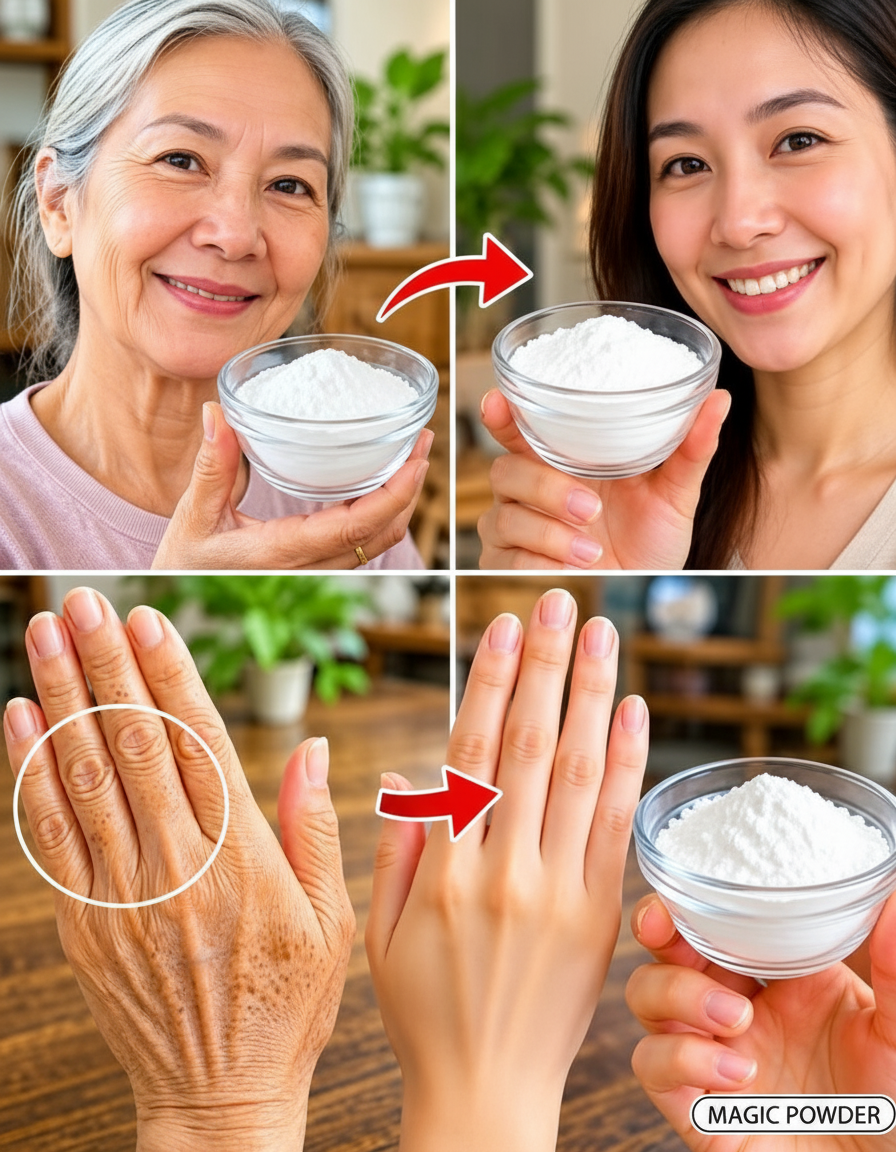
Alright, let’s get real. You’ve scrolled past those viral videos, right? The ones screaming about ‘miracle’ smooth, youthful skin using nothing but a cheap box of baking soda. If you’re like us, pushing past 40, 50, or even 60, you’re probably thinking, ‘Is this the easy, budget-friendly fix I’ve been waiting for?’ But here’s the kicker: does this kitchen staple actually work wonders, or is it just another load of internet hype designed to waste your time and maybe even mess up your face?
Look, we get it. That gut-wrenching frustration when you stare in the mirror and see those damn wrinkles, age spots, and that uneven texture just taking over. Your skin’s lost its bounce, it’s drier than a desert, and that natural glow? Poof, gone. So yeah, any ‘secret’ home remedy feels like a lifeline, a glimmer of hope. That’s why today, we’re cutting through all the noise and giving you the straight talk on baking soda for your skin: what the actual science says, how to maybe—just maybe—use it without wrecking your face, and the critical warnings you CANNOT ignore. Stick with us ’til the very end, because we’re dropping a smart, safe way to sneak this ingredient into your routine that almost NOBODY is talking about.
What the Heck is Baking Soda and Why Are People Slapping It on Their Faces?
Baking soda, officially known as sodium bicarbonate, is that simple, dirt-cheap, alkaline compound you’ve got sitting in your pantry right now. It’s famous for its cleaning power and its ability to give a mild scrub. So, naturally, people started thinking, ‘Hey, if it cleans my sink, maybe it’ll clean my face!’ They figured it could deep-clean pores, zap oil, and even smooth out those pesky fine lines. But pause for a second: does that logic even hold up, or are we setting ourselves up for more problems than solutions?
What Science Says About Baking Soda in Your Skincare Routine (Spoiler: It’s Not a Miracle)
Listen up, because this is crucial. Studies on skin pH show our skin’s natural protective barrier, the one fighting off bad stuff, works best in a slightly acidic environment—we’re talking between 4.5 and 5.5. Now, here’s where baking soda throws a wrench in the works: it’s got a sky-high pH of around 9. That means when you put it on your face, you’re temporarily screwing with your skin’s natural balance.
Some research, and we mean some, suggests that using it super occasionally and extremely diluted might offer a tiny bit of mechanical exfoliation, helping to slough off dead skin cells from the surface. But let’s be brutally honest: frequent or concentrated use? That’s a recipe for disaster. You’re inviting a compromised skin barrier, increased sensitivity, dryness, and full-blown irritation. Don’t say we didn’t warn you.
Dermatologists, the real pros, almost always preach caution. There’s ZERO robust scientific evidence proving that baking soda actually erases wrinkles or significantly turns back the clock on aging skin. What it might do is give you a fleeting feeling of cleaner, softer skin. Don’t get it twisted – that’s a temporary sensation, not a long-term solution.
Myths vs. Truths: Let’s Set the Record Straight, No BS Allowed
- Myth: Baking soda wipes out wrinkles in minutes. Truth: Get real. No home remedy, especially not baking soda, is going to make deep wrinkles vanish. Any ‘improvement’ you see is just a surface-level texture change from a super mild exfoliation.
- Myth: The more you use, the better the results. Truth: This is a highway to hell for your skin. Overdoing it can seriously damage your skin, especially if you have mature, sensitive, or dry skin.
- Truth: It can be useful for occasional pore cleaning. In tiny, tiny amounts and always heavily diluted, some folks use it in masks or for body exfoliation. Think of it as a once-in-a-blue-moon thing, not a daily ritual.
How to Use Baking Soda on Your Skin Without Causing a Catastrophe (The Safe Way, Step-by-Step)
If you’re still dead-set on trying this, let’s do it responsibly. Here’s a safer approach:
- Sensitivity Test: Don’t be a hero. Mix a tiny pinch of baking soda with water and apply it to a small patch on your forearm. Wait a full 24 hours. If you see ANY redness, itching, or irritation, STOP. Seriously, just stop.
- Gentle Mask (1-2 times a month, ABSOLUTE maximum):
- Grab 1 teaspoon of baking soda.
- Mix it with 2 tablespoons of water or, for drier skin, use honey (it’s soothing!).
- Stir until you’ve got a light, smooth paste.
- Apply it to your damp face, gently massaging for no more than 30 seconds.
- Rinse off thoroughly with warm water and immediately follow up with a good moisturizer.
- Body Exfoliation: You can be a bit more liberal with this one on tougher skin, especially on spots like elbows and knees. But still, don’t go crazy.
Crucial Tip: ALWAYS use pure baking soda, no funky additives. And for the love of your skin, NEVER let the mixture dry completely on your face. That’s just asking for trouble.
Ingredients That Play Nice With Baking Soda (If You Must Mix):
- Honey (calming and hydrating – a good buffer)
- Natural yogurt (gentle probiotics and lactic acid)
- Oats (super calming effect)
- Coconut oil (only for very, very dry skin, and use sparingly)
BIG NO-NOs: Avoid mixing baking soda with: lemon, vinegar, or any other highly acidic ingredient. The reaction can be a literal chemical burn waiting to happen and will irritate your skin even more.
Essential Cares You Absolutely CANNOT Ignore (This Is Non-Negotiable)
Let’s be crystal clear: mature skin, especially if you’re over 50, tends to be thinner, more fragile, and far more sensitive. So, ditch the risky DIYs and prioritize products that actually respect your skin’s natural pH. We’re talking about proven powerhouses like serums with niacinamide, hydrating hyaluronic acid, and always, ALWAYS, a broad-spectrum sunscreen. Those are your real anti-aging warriors, not a box of baking soda.
And if you EVER notice redness, burning, peeling, or any kind of discomfort after using baking soda – or anything else, for that matter – STOP using it immediately. Your skin is screaming for help, so listen to it!
Conclusion: A Smarter, No-Nonsense Approach to Your Skin
So, what’s the final verdict on baking soda for your skin? Look, it’s not the miracle cure the internet wants you to believe. While it can offer a very, very mild, temporary exfoliation if used with extreme caution and dilution, it carries significant risks to your skin’s delicate balance. It’s definitely not your go-to for fighting wrinkles or achieving lasting youthful skin. For real, visible, and safe results, you need an intelligent, science-backed approach – one that respects your skin’s biology, not one that tries to bully it with harsh chemicals. Don’t fall for the hype; invest in what truly works for your skin.
Thanks for reading, champions! We hope this no-BS guide helps you make smarter choices for your skin. Don’t stop here – dive into our other articles for more expert tips and honest reviews. Your skin deserves the best, and we’re here to help you get it!