 By admin
 Baking Soda Skincare: The REAL Deal on This DIY Trend – Smooth Skin or Skincare Disaster?
Let’s be real. As the years tick by, we all start noticing those sneaky little changes: fine lines popping up, hands feeling rougher than sandpaper, and that confident glow feeling a little… dimmed. You’re fed up with wallet-busting creams and fancy treatments that promise the moon but deliver nada, especially when your social media feed is overflowing with quick, “all-natural” DIY hacks using stuff from your pantry. And that’s why baking soda keeps popping up like a persistent ex in every DIY skincare chat, touted as this affordable miracle for gentle exfoliation and a fresher feel. But here’s the absolute truth bomb you need to hear: understanding exactly how this common kitchen staple actually plays with your skin is the ONLY way to dodge irritation and make smart choices for your routine. The good news? A little insider knowledge goes a long way towards healthier-looking skin, no guesswork needed.
Stick with us because we’re about to spill the tea, sharing practical tips, real expert insights, and safer everyday habits that’ll actually support your skin long-term, not just give you a temporary high.
Understanding Skin Changes Over Time
Mother Nature plays her tricks, and our skin naturally loses its bounce and moisture as we age, thanks to everything from too much sun to daily stress and those little lifestyle choices. This can leave your surface feeling less smooth, more prone to dryness, or just plain uneven, especially on those hard-working hands. Many folks out there grab for home remedies, hoping for a quick fix, and baking soda often gets a shout-out because of its mild texture. Yet, here’s where things get spicy: your skin’s natural protective barrier, its personal bouncer, works best when its pH stays perfectly balanced. And that’s where any new ingredient you try, especially baking soda, can either be a hero or a villain.
The Basics of Baking Soda in Skincare
Baking soda, officially known as sodium bicarbonate, is that fine white powder chilling in most of our kitchens. It acts like a mild abrasive, which *can* help slough off dead skin cells from the surface. Some people go all in, mixing it into pastes or bath soaks, dreaming of a polished, smoother feel. Here’s the thing though: while it’s gentle enough for scrubbing your kitchen sink, your skin is a delicate flower that prefers a slightly acidic environment to stay strong, hydrated, and happy. Using something alkaline like baking soda can throw a wrench in that delicate balance.
What People Say About Baking Soda for Face and Hands
Scroll through your forums and video feeds, and you’ll find enthusiasts swearing by baking soda for that instant glow or baby-soft hands after just one go. Common claims include temporary smoothing and a fresh feel, especially when used as a body scrub or an occasional hand treatment. But don’t get it twisted; that’s only half the story. The real game is separating those feel-good personal anecdotes from what actually works safely and sustainably for most skin types.
What the Research and Experts Say
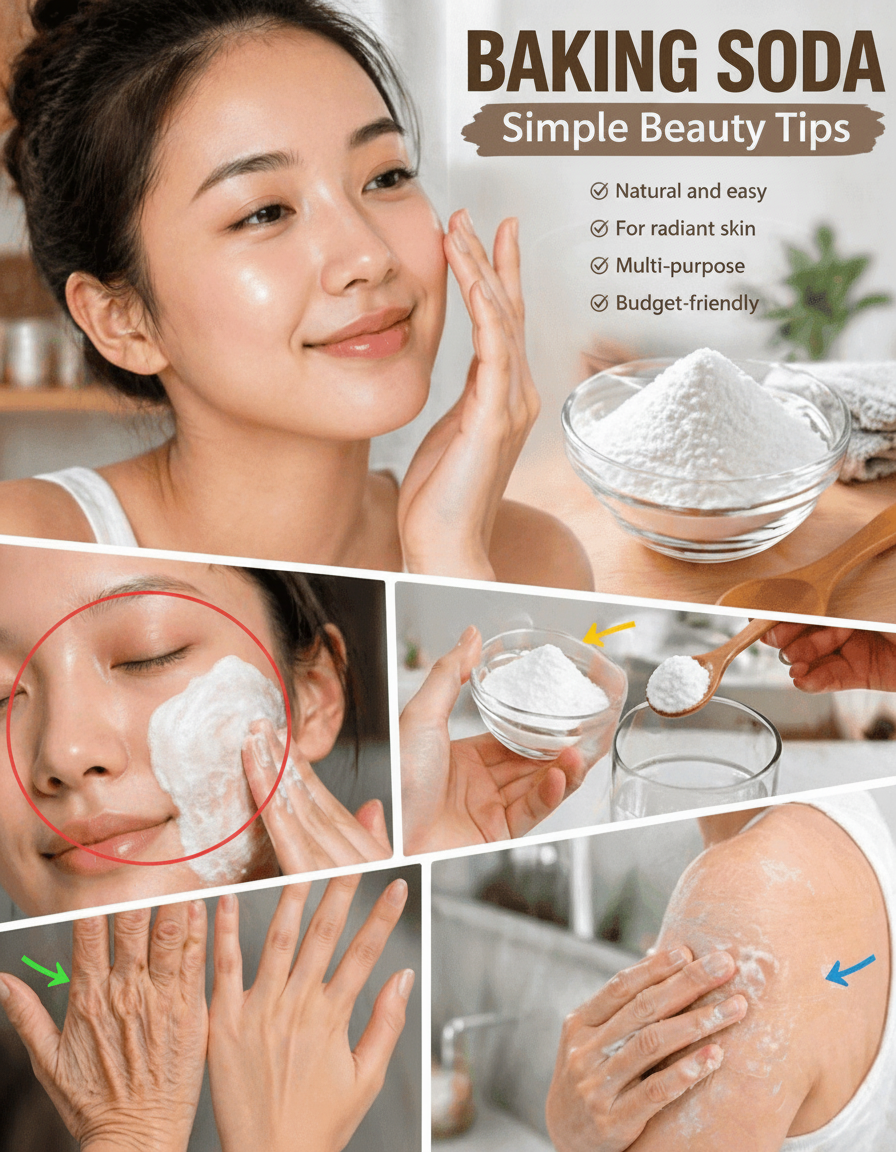
Time for a reality check. Dermatologists and trusted sources like Healthline are pretty clear: the evidence for baking soda being some kind of skincare superstar is, shall we say, extremely limited. Sure, it might offer some mild exfoliation in super controlled settings, but there’s scant clinical data backing up any dramatic or long-lasting improvements in skin texture or appearance. While some medical reviews mention its use in specific, doctor-supervised dermatological contexts (like soothing certain conditions in baths), everyday DIY applications on your precious face or hands come with some seriously important caveats. Experts consistently shout from the rooftops that results vary wildly, and what truly makes a difference is your overall skincare routine, not some single, hyped-up ingredient.
Potential Risks and Why Caution Is Key
Before you go all in and reach for that box, you absolutely need to know the possible downsides. Baking soda is alkaline, and using it can seriously mess with your skin’s natural pH, temporarily weakening that crucial protective barrier. This might lead to some less-than-pleasant surprises, like:
- Dryness or tightness that makes your skin scream ‘help!’
- Increased sensitivity or redness, making you look like a ripe tomato.
- Potential irritation, especially if your skin is already sensitive or compromised.
- A disruption of your skin’s delicate microbiome over time, which is a recipe for disaster.
The truth is, what feels like an instant smooth finish can sometimes backfire spectacularly if you use it too often or on delicate areas like your face. That’s why patch testing and moderation aren’t just buzzwords; they’re your skin’s personal bodyguards.
Safe Ways to Try Baking Soda If You’re Curious
Okay, so if you’re still itching to experiment, listen up: play it smart, not sorry. Focus on using it on your body or hands, NOT your face, and always, always dilute it heavily. Here’s a simple, cautious approach many find helpful, if you absolutely must:
- Start with a patch test: Mix a tiny amount with water and apply it to a small, hidden area on your inner arm. Wait a full 24 hours to check for any nasty reaction. Your skin will thank you.
- For hands: Combine one teaspoon of baking soda with a tablespoon of a gentle carrier like coconut oil or honey. Gently massage onto damp hands for about 30 seconds – don’t go wild – then rinse thoroughly.
- For a soothing bath soak: Add no more than half a cup to warm bathwater and relax for 10–15 minutes. This can help soften rough areas without direct scrubbing, giving you a chill vibe.
Always, always follow up with a rich moisturizer to restore hydration right away. And here’s the kicker: limit use to once a week at most, and for the love of good skin, NEVER use it on broken or irritated skin. Your skin deserves better than a gamble!
Thanks for sticking with us and getting the real scoop on baking soda skincare! We hope this helps you make smarter choices for your beautiful skin. Want more no-nonsense advice and expert tips? Dive into our other articles on dogpjs.com for a treasure trove of healthy living secrets!