 By admin
 Blood Sugar Battle: Why Nutrients Are Your Secret Weapon for Balance
Listen up, folks! If you’re wrestling with blood sugar issues daily, you know it’s a constant juggling act: diet, exercise, meds, monitoring. But here’s the kicker: studies are shouting loud and clear that many battling type 2 diabetes or prediabetes are running low on some crucial vitamins and minerals. And trust me, when these levels are off, your body’s whole system for handling carbs and insulin can go haywire. It’s like trying to win a race with flat tires!
Now, don’t get it twisted. We’re not saying supplements are some magic bullet – the American Diabetes Association themselves will tell you they’re not a primary fix for blood glucose. But let’s be real: for those with actual confirmed deficiencies or specific diet choices, these little power-ups can make a real difference in supporting your overall metabolic health. The science is digging into how plugging these common gaps can help, even if everyone’s body plays a slightly different tune.
So, where do we cut to the chase? Right here: with three powerhouse nutrients that scientists can’t stop talking about. No, they won’t wave a magic wand and make everything disappear, but they’re seriously key players in building a stronger, healthier you, day in and day out. Think of them as essential tools, not a quick fix.
Your Metabolic Dream Team: Three Nutrients Everyone’s Talking About
Alright, enough with the fluff. Let’s get down to business with the three superstars of the nutrient world that keep popping up when we talk about keeping your blood sugar humming along nicely, right where it should be. These aren’t just old wives’ tales; each one has a solid rap sheet of observational and clinical backup.
1. Vitamin D – Your Body’s Personal Sunshine Booster
First up, Vitamin D – yeah, that ‘sunshine vitamin’ everyone raves about. It’s not just for strong bones, helping your body soak up calcium. This bad boy is also a key player in your immune system, cell communication, and get this: it’s got a direct line to how sensitive your cells are to insulin! And here’s the shocker – tons of us, especially if you’re stuck indoors or have darker skin, are totally missing out. You might be running on empty without even knowing it!
Think the hype is just hot air? Think again. Loads of deep-dive reviews and meta-analyses have grilled Vitamin D supplementation for folks with type 2 diabetes. What’s the verdict? We’re seeing some real, albeit modest, wins in markers like fasting blood glucose and HbA1c. This is especially true when people start from a seriously low baseline or when they’re hitting higher doses for a bit. One big analysis even whispered about potential perks for insulin resistance in specific crowds. This isn’t just a hunch; it’s data talking!
So, how do you get your fix? Sunshine is your original source, but if you’re not soaking it up, fatty fish, fortified milks (dairy or plant-based) are your food allies. And of course, there are supplements, usually as Vitamin D3. But here’s the pro tip: Before you go all-in on high doses, get your levels checked with a simple blood test. Your doc will tell you exactly what’s up – no guesswork needed!
2. Magnesium – The Unsung Hero of Your Cell’s Power Plant
Next up, meet Magnesium – the ultimate multi-tasker! This mineral isn’t just playing a supporting role; it’s a lead actor in over 300 enzymatic reactions! We’re talking about crucial stuff like regulating how your cells slurp up glucose and how insulin actually does its job. But here’s the kicker: with all the processed junk food we’re shoveling down these days, low magnesium is practically an epidemic. Your body is screaming for this stuff, and you might not even hear it!
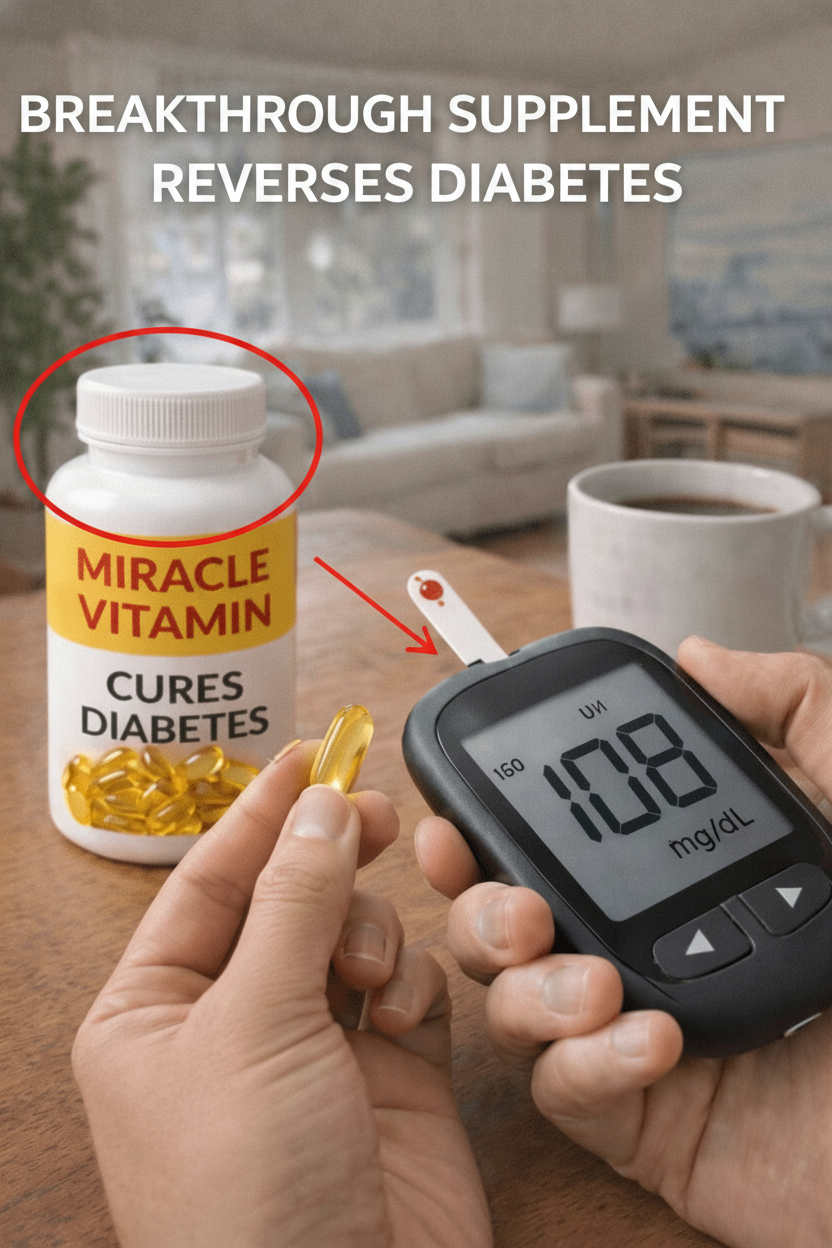
The evidence? It’s rock solid. Major research, including meta-analyses of randomized trials (that’s the gold standard, folks!), has directly linked magnesium supplementation to some seriously good news: we’re talking lower fasting plasma glucose and better insulin sensitivity for many battling diabetes or impaired glucose tolerance. And here’s a hot tip: if you’re starting from a place where your magnesium levels are already in the basement, you’re likely to see the biggest bang for your buck. It’s like fueling a car that’s running on fumes!
So, how do you get your fill? Pile on the leafy greens like spinach, munch on nuts and seeds (almonds, pumpkin seeds are champions!), load up on whole grains, and don’t forget your legumes. If you’re going the supplement route, look for forms like magnesium citrate or glycinate – many find these gentler on the stomach. No gut drama, just good stuff.
3. Chromium – The Carb Whisperer Your Body Needs
Last but not least, let’s talk Chromium. This isn’t some flashy superstar; it’s a ‘trace element,’ meaning your body needs just a tiny bit, but that tiny bit can make a huge difference! Think of it as the secret handshake that makes your insulin work better at the cellular level. You’ll find these little gems in foods like broccoli, grape juice, whole grains, and meats – small amounts, big impact.
Now, what’s the scientific lowdown? Systematic reviews of clinical trials have dropped some interesting findings: chromium supplementation (especially chromium picolinate) has been tied to lower fasting blood glucose, insulin levels, and even HbA1c in folks with type 2 diabetes. Hold up, though – the results aren’t always a slam dunk across every study, and the benefits seem to shine brightest for those who are really struggling with their blood sugar control to begin with. The evidence is out there, but it’s more of a ‘promising lead’ than a ‘smoking gun’ right now.
Your body doesn’t need a ton of chromium daily, and most of us snag a bit through our regular diet. But for those looking for an extra edge, supplementation is sometimes on the table, often at doses like 200–1000 mcg per day. Just remember, this isn’t a DIY project; always run it by your healthcare provider first. They’re the coach, you’re the player!
Beyond Solo Acts: How These Nutrients Tag-Team for Your Health
Hold up, we’re not done yet! This isn’t just about three individual heroes; it’s about a power trio! These nutrients don’t just work alone; they team up, supporting each other in ways that can seriously boost your health. Case in point: Vitamin D and Magnesium are like best buddies – enough magnesium can actually help your body activate Vitamin D. And guess what? Studies looking at combined approaches are showing some seriously promising ‘additive effects’ on metabolic markers. It’s like getting a bonus round of benefits!
Want the quick and dirty on what each player brings to the metabolic game? Here’s a rundown:
- \