 By admin
 Boiling Pineapple Peels with Cloves: Daily Brew or Risky Business?
You know that feeling, right? You wake up, grab breakfast, and there it is again… that bloated belly, that sluggish vibe that makes you secretly loosen your belt a notch or two. Ugh! It’s beyond frustrating, especially when you’ve been busting your butt trying to “eat better.” Then, out of nowhere, you see some viral TikTok or Facebook post screaming about boiling pineapple peels with cloves, and you start wondering if you’ve been missing out on some simple, natural magic all this time.
But here’s the real talk, the stuff most people shilling these “natural remedies” won’t tell you… not every so-called “natural drink” works the way you think it does, and one tiny detail could flip the whole script on your health. So, before you start chugging, let’s get real.
What Is Pineapple Peel and Clove Tea, Really?
Let’s cut the BS and keep this simple. This concoction is literally just leftover pineapple peels boiled with cloves in water. It’s often pushed as some kind of “natural daily remedy,” especially for better digestion and overall wellness. But hold up, before you crown it the king of health drinks, here’s the truth bomb:
It’s not some groundbreaking new discovery. Nope. Many cultures have been using fruit peels in teas for generations – not just to avoid waste, but also to add a little something extra to their brew.
What’s inside this drink?
So, what’s actually brewing in there? Let’s break down the key players:
- Small amounts of vitamin C (you know, for that immune kick)
- Plant compounds (antioxidants) (the good guys fighting off bad stuff)
- Trace amounts of bromelain, an enzyme that’s got a rep for helping with digestion
And the cloves? Those little powerhouses bring their own game:
- Eugenol, a compound with some mild anti-inflammatory vibes
- Antioxidants (more good guys!)
- A strong, natural aroma that can actually get your appetite going
Now, here’s where it gets interesting, so lean in…
👉 The benefits you hear about? They come from these compounds, sure, but they’re present in *moderate* amounts. We’re talking supportive roles, not high-octane doses that act like actual medicine. Don’t get it twisted.
Why Older Adults Are Interested in This Drink
Look, as the years pile on, your gut ain’t what it used to be. Digestion slows down. It’s not your fault, pal; it’s just biology doing its thing. Many folks over 50 report:
- That annoying bloating after meals
- Slower-than-a-snail digestion
- A reduced appetite, even for tasty stuff
- Feeling “heavy” even after just a small plate of food
So when some simple, natural drink promises to bring a little relief, you bet your boots it’s tempting. But let me be honest with you, like a straight-shooting friend or a family doctor would…
👉 Most people aren’t chasing a miracle cure here.
👉 They’re just looking for a bit of comfort and feeling more in control of their bodies.
And this drink, when used wisely, can sometimes offer that, especially if it kicks those sugary, gut-busting beverages to the curb. But that’s not the whole story, not by a long shot…
Potential Benefits Backed by Science (Without the Hype)
Alright, let’s ditch the internet myths and separate the facts from the fiction. What does real research actually suggest?
What research suggests
Some studies (the legit ones, not just blog posts) show:
- Bromelain *may* lend a hand in protein digestion.
- Clove compounds *might* help dial down mild inflammation.
- Warm fluids, in general, can get your gut moving.
What you might actually feel
If you make this a regular thing, you *might* notice a few positive changes:
- A lighter feeling after meals (finally!)
- Less reliance on those sugary drinks (a big win for your health!)
- Improved hydration (water is always good, right?)
- Mild digestive comfort (a little relief goes a long way)
But here’s the key point, so pay attention…
👉 These are supportive effects, helping your body along. They are NOT medical outcomes or cures for serious conditions.
What it does NOT do
Let’s be crystal clear here, for your own good and health:
- It does NOT “detox” your body (your liver and kidneys do that, thank you very much).
- It does NOT melt belly fat (wishful thinking, folks!).
- It does NOT replace balanced nutrition (you still gotta eat your veggies!).
The Hidden Risks Most People Ignore
Now we get to the part that really matters, the stuff that could actually mess you up. Because this is where a lot of people make boneheaded mistakes.
1. Pesticide exposure
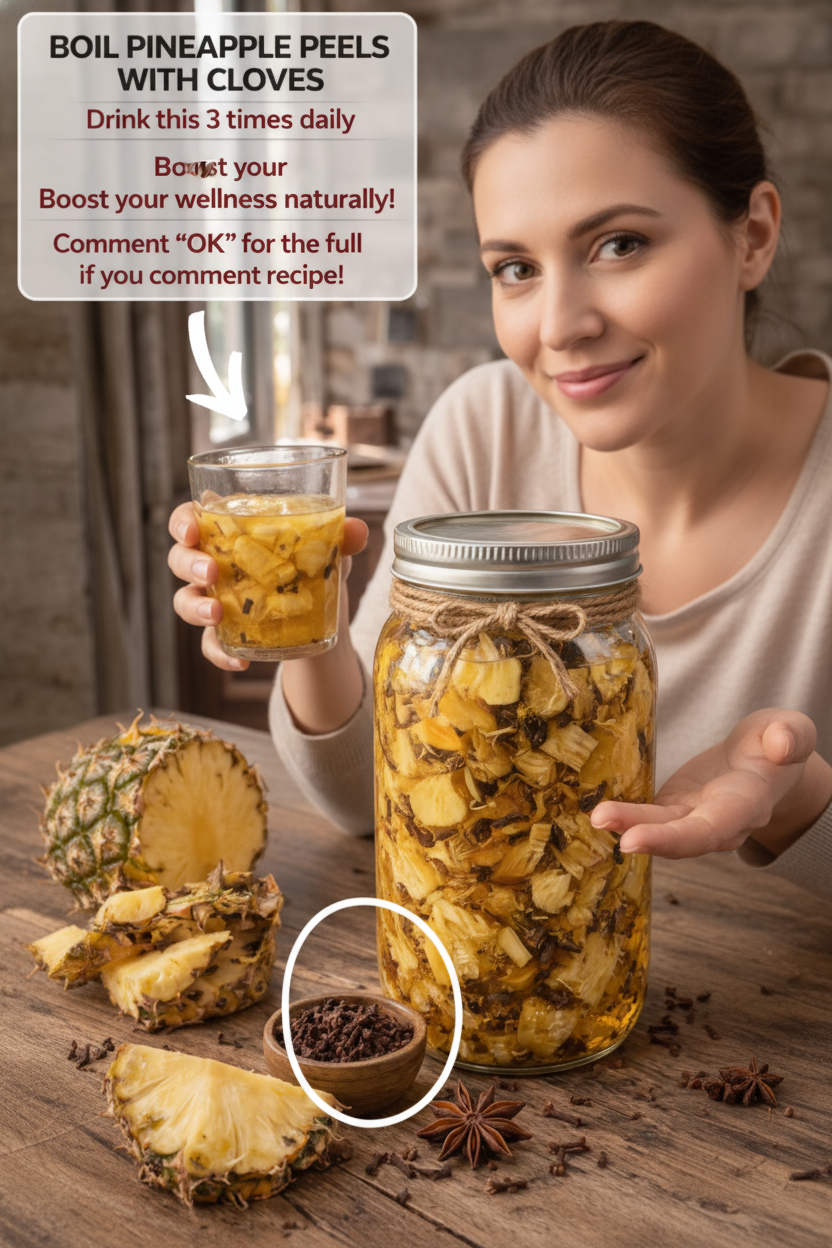
Think about it: pineapple skin isn’t usually something you eat, right? So, it might be carrying some unwanted chemical passengers from pesticides. If you’re not washing those peels thoroughly:
- You could be ingesting some nasty chemicals you don’t want.
- This totally defeats the whole purpose of trying to drink something “healthy.”
2. Too much clove
Cloves are powerful little devils. A little goes a long way. Excess intake, especially daily, might:
- Irritate your stomach lining, making you feel worse.
- Interact with certain medications you might be taking (like blood thinners – big no-no!).
- Cause serious discomfort if you’re chugging large amounts every single day.
3. Overuse mindset
Here’s the psychological trap that gets so many people: they think, “If it’s natural, more is better!”
That’s a load of garbage. Listen up:
👉 Even healthy habits can backfire spectacularly when you overdo them. Moderation, people, moderation!
Pineapple Peel Tea vs Sugary Drinks (Simple Comparison)
Let’s put this pineapple peel tea up against those sugary junk drinks you might be downing. It’s a no-brainer showdown:
| Feature | Pineapple Peel Tea | Sugary Drinks |
|---|---|---|
| Added sugar | None (if not added) | High |
| Calories | Low | High |
| Hydration | Good | Moderate |
| Long term habit | Supportive | Risky if overused |
| Nutritional value | Mild | Minimal |
See? This is where the *real* benefit lies. Not as some miracle cure-all that’ll change your life overnight, but as a damn smarter daily choice compared to the junk out there.
How to Prepare It Safely (Step by Step)
Alright, if you still wanna give this a shot, do it the right way. Don’t be sloppy about it.
Ingredients
What you’ll need (no fancy stuff):
- Peels from one whole pineapple
- 3 to 5 whole cloves
- 1 liter of water
Steps
The play-by-play:
- Wash peels thoroughly: We’re talking scrubbing! Use water with a splash of vinegar or a sprinkle of baking soda for a proper clean.
- Boil for 10 to 15 minutes: Get those good compounds out.
- Let it cool slightly: Don’t burn your tongue, genius.
- Strain and store in glass container: Get rid of the chunky bits.
- Drink warm or cold: Your preference, boss.
Smart usage tips
Pro tips for not screwing it up:
- Limit yourself to just 1 or 2 cups daily. Don’t overdo it!
- Avoid adding extra sugar. That defeats the whole purpose!
- Do NOT use spoiled or moldy peels. Seriously, common sense!
Who Should Be Careful With This Drink?
Before you make this a daily habit, pump the brakes and listen up. Not everyone should be chugging this stuff. You should be cautious if you:
- Take blood thinning medications (cloves can interfere!).
- Have sensitive digestion or a cranky stomach.
- Experience frequent acid reflux or heartburn.
- Have allergies to pineapple or other spices.
👉 When in doubt, always, always, always talk to your healthcare provider. That’s not being scared; that’s being smart and protecting your precious health.
Actionable Daily Habit Plan (Simple and Realistic)
Forget chasing every new trend that pops up on your feed. Here’s a plan that actually makes sense for your daily life:
A balanced routine
- Morning: Kickstart your day with a warm glass of water or a simple tea (like this pineapple peel and clove brew, if you’re trying it)
- Midda
There you have it, folks! The real deal on pineapple peel tea. No fluff, just facts to help you make smarter choices for your health and digestion. Got more questions or want to dive deeper into natural remedies and healthy living tips? Stick around dogpjs.com – we’ve got plenty more wisdom brewing just for you! Stay healthy, stay savvy!