 By admin
 Danger Zone! This ‘Deadly’ Food Kills 200+ Annually, Yet Half a Billion Can’t Get Enough – Here’s How to Survive It!
Alright, listen up! Every single year, we hear the chilling reports: cassava, that root vegetable holding down diets across the tropics, is linked to over 200 gruesome deaths. Why? Pure and simple: folks messing up the prep. Yet, here’s the mind-blower: almost HALF A BILLION people globally are still chowing down on this staple! What’s the deal? Cassava packs natural compounds that can unleash straight-up cyanide if you don’t handle it right, turning a perfectly good meal into a potential death trap. But hold your horses! Here’s the good news, the real kicker: with the right, age-old techniques, passed down through generations, you can kick those risks to the curb, virtually wiping them out. That means you get to enjoy all its benefits, safe and sound. In this article, we’re gonna spill all the beans – everything you NEED to know, including a dead-simple process that changes the whole game.
What Is Cassava?
So, what exactly are we talking about here? Cassava, also known as yuca, manioc, or mandioca, is a starchy root vegetable that’s a true survivor. It kicked off its journey in South America but has since conquered Africa, Asia, and the Caribbean, spreading its roots far and wide. This bad boy doesn’t need much; it thrives in crummy soil and laughs in the face of drought, making it an absolute lifesaver for food security in countless developing regions. Visually, think of a long, brown-skinned potato, but crack it open, and you’ll find dazzling white or yellowish flesh inside.
But don’t stop there, because this root is an absolute chameleon! Cassava is incredibly versatile – you can boil it, mash it, fry it till it’s crispy, or grind it down into flour for killer breads and hearty porridges. It’s the ultimate kitchen MVP!
Understanding the Potential Risks Associated with Cassava
Now, let’s get down to the nitty-gritty of why this “dangerous” label sticks. It all comes down to something called cyanogenic glycosides. These are natural compounds chillin’ in the plant that can break down into hydrogen cyanide (HCN) – yeah, that’s real cyanide – when the root gets damaged or, God forbid, eaten raw. Research isn’t playing around; it clearly shows that munching on improperly prepared cassava can lead to acute poisoning, and in the worst cases, it’s lights out. Or, with long-term exposure, you’re looking at chronic health nightmares. That’s why health authorities aren’t just suggesting, they’re practically screaming: HANDLE WITH CARE!
However, and this is crucial, here’s the silver lining: these compounds aren’t some unavoidable boogeyman if you just follow the right steps. And here’s where it gets really interesting: the amount of these sneaky compounds isn’t the same across the board; it actually swings wildly depending on the variety.
Sweet Cassava vs. Bitter Cassava: Know the Difference
Alright, time for a crash course in cassava types, because this distinction could literally save your hide. You’ve got two main players:
- Sweet cassava: This is the milder cousin. It’s got way less of those nasty cyanogenic compounds, and it’s what you’ll typically find stocked in grocery stores in Western countries. Usually, a simple peel and a good cook are all you need to make it safe.
- Bitter cassava: Now, this is the wild card. It’s loaded with significantly higher levels of toxins and is more common in specific regions. This bad boy demands serious respect and way more thorough processing – we’re talking extensive soaking and fermenting. Seriously, if you’re ever in doubt, ALWAYS double-check with your local supplier about the variety you’re buying. Don’t play guessing games with your health!
Honestly, for most folks in many places, the commercially available cassava is usually the sweeter, more forgiving type. But knowing the difference? That’s power, my friend.
How to Prepare Cassava Safely: Step-by-Step Guide
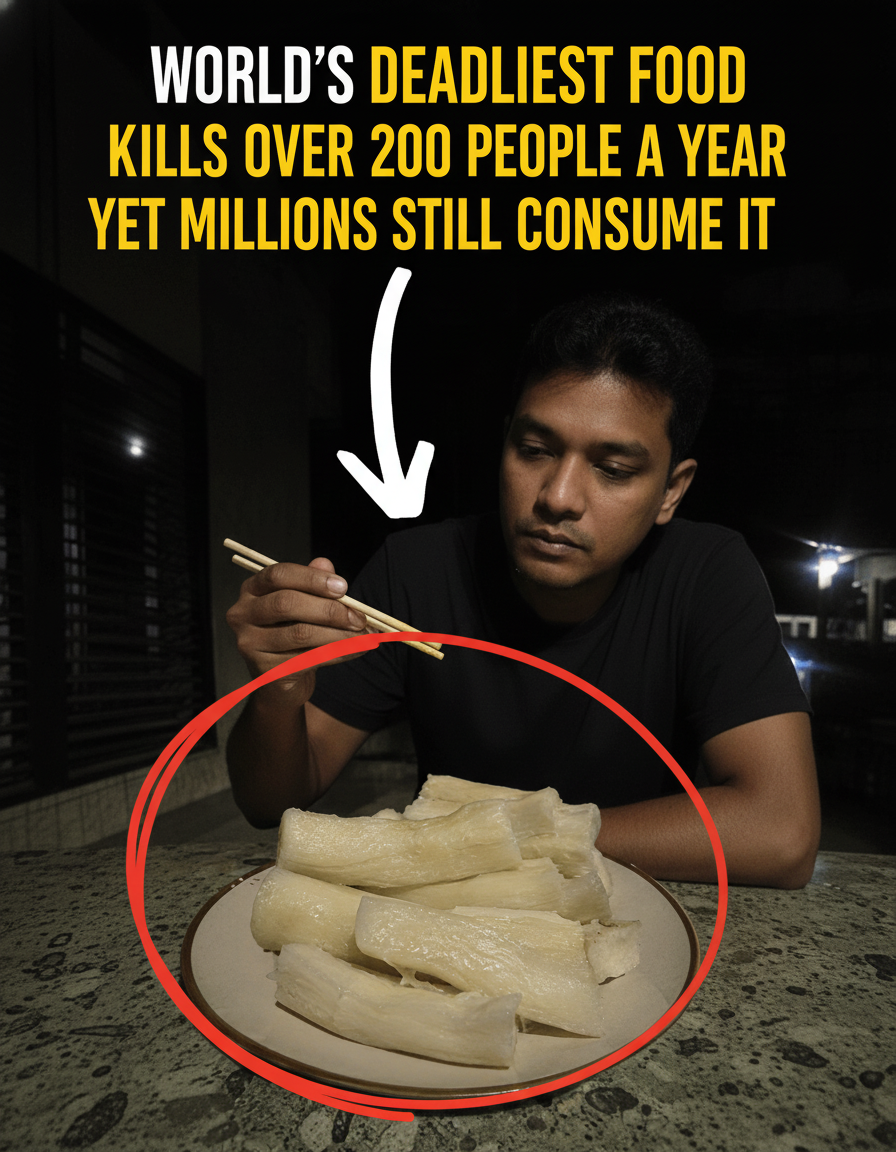
Look, preparing cassava properly isn’t rocket science, but it IS absolutely worth every ounce of effort. This isn’t just some old wives’ tale; it’s a reliable method built on generations of traditional wisdom and solid safety guidelines. Let’s get you prepped:
- Peel thoroughly: Don’t be shy! Rip off that outer brown bark AND the thin layer right underneath it. Most of those toxic compounds are holed up in the skin and just below it. Get rid of them!
- Cut into pieces: Slice and dice that peeled root into smaller chunks, or go wild and grate it. Why? More surface area means those toxins have more ways to peace out.
- Soak in water: Drop those pieces into clean water and let them chill for at least 24-48 hours. If you’ve got a bitter variety, you might even want to go longer. And here’s a pro tip: change that water DAILY. This step is a toxin-leaching powerhouse!
- Boil or cook thoroughly: Once soaking is done, DUMP that old water! It’s full of the stuff you don’t want. Then, boil the cassava in FRESH water for at least 20-30 minutes. And yes, you guessed it – ALWAYS throw away the cooking water too.
- Additional steps for safety: If you’re dealing with the hardcore bitter cassava or making flour, you’re gonna need to bring out the big guns: drying, fermenting, or even more processing is highly recommended. Studies aren’t kidding when they say fermentation and drying can slash those toxin levels dramatically.
But wait – there’s more to this ancient wisdom. Traditional methods often don’t just pick one step; they combine these bad boys for maximum, bulletproof safety. It’s a full-on detoxification strategy!
Traditional Processing Methods That Work
Across Africa and Latin America, people aren’t just eating cassava; they’ve become masters of its preparation. They’ve literally perfected the art:
- Fermentation: This isn’t just for sourdough! Grating the cassava and letting natural fermentation do its thing not only slashes toxins but also amps up the flavor and makes it way easier on your gut.
- Drying into flour: After a good soak and a thorough pressing, drying the pulp creates safe, versatile cassava flour – think legendary staples like garri or fufu. This isn’t just food; it’s a legacy.
- Wetting method: A simple yet brilliant post-processing move where flour is moistened and left to stand for a bit before it hits the heat. Another layer of defense!
These aren’t just random tips; these are time-tested, battle-hardened approaches that have kept entire communities safely enjoying cassava for centuries. When it comes to survival food, these folks wrote the book.
The Nutritional Benefits of Well-Prepared Cassava
So, after all that careful prep, what’s the payoff? Once you’ve done it right, cassava isn’t just safe; it’s a nutritional goldmine! It’s a powerhouse source of carbohydrates, giving you that essential energy boost, providing crucial calories in regions where other crops might just throw in the towel. But it’s not just empty calories; this root packs some serious punches:
- Vitamin C: Your immune system’s best friend, fighting off the bad guys and acting as a powerful antioxidant.
- Resistant starch: Think of it as fiber’s cooler cousin. It acts like dietary fiber, doing wonders for your gut health by feeding all those beneficial bacteria that keep you feeling good.
So, there you have it! The lowdown on the world’s most misunderstood superfood. Don’t let the scary headlines fool you; with the right knowledge and a little elbow grease, you can enjoy cassava safely and reap all its incredible benefits. Your health is worth it!
Thank you for diving deep into this crucial topic with us. We know you appreciate quality content, and we’re committed to delivering it! If you found this guide helpful, don’t stop here – explore more of our expert articles on health, food, and survival tips. Your journey to a healthier, more informed life continues right here on our site!
”
}
“`