 By admin
 Got Persistent Bad Breath That Brushing Can’t Kill? Your Tonsils Might Be the Nasty Culprit!
You wake up, brush your teeth like a pro, floss diligently, rinse with mouthwash… and yet, just a few hours later, that awful bad breath is back with a vengeance. This embarrassing situation plagues countless people daily, gnawing at their confidence during conversations, work meetings, and even intimate family moments. The worst part? Many suffer for years without ever figuring out where this persistent problem comes from. But what if the real cause isn’t your teeth at all?
Hold onto your hats, because in this article, we’re about to expose the truth: you’ll discover what tonsil stones (a.k.a. tonsilloliths) truly are, why these gnarly little invaders form, and what savvy folks are doing to kick this discomfort to the curb, simply and safely. Get ready for some eye-opening revelations!
What Are Tonsil Stones, Anyway?
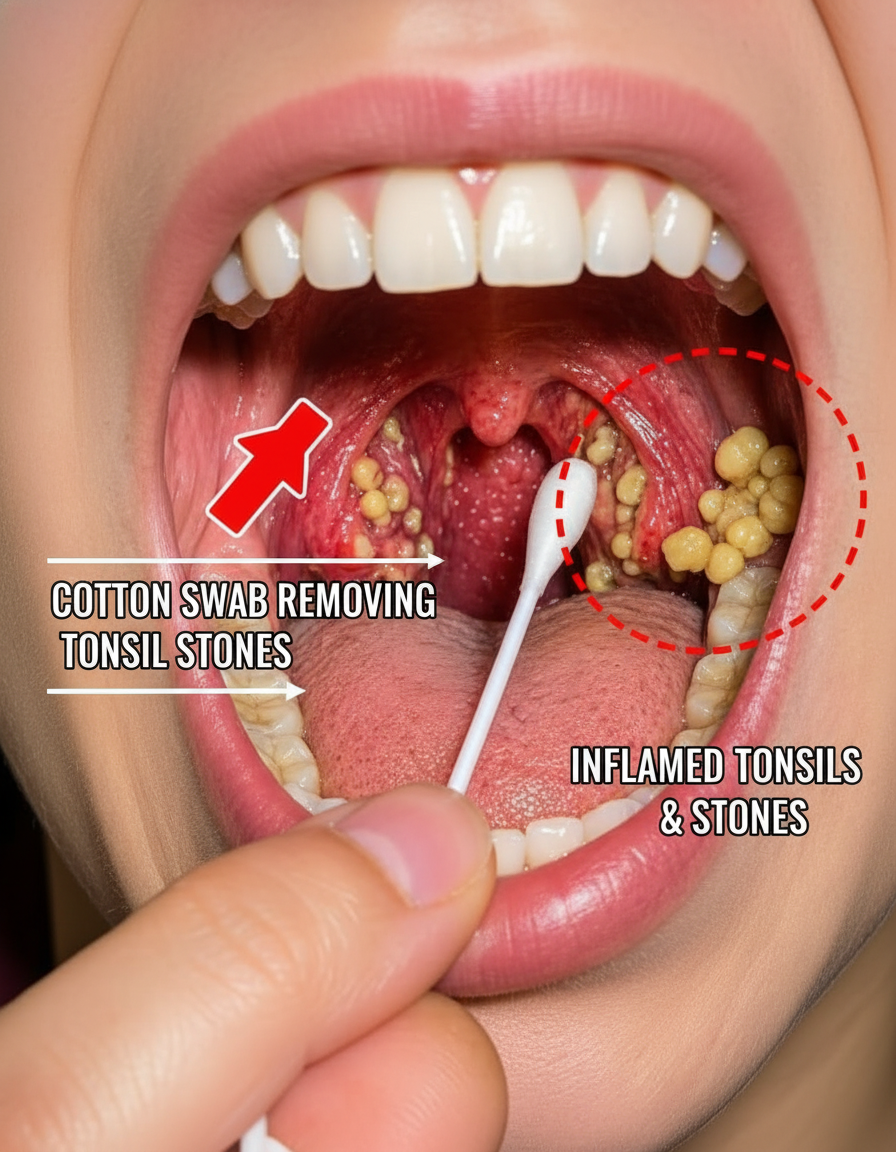
Tonsil stones, popularly known as “tonsil rocks” or “tonsilloliths,” are those tiny, off-white or yellowish formations that pop up in the crypts – those natural little crevices – of your tonsils. They form when food debris, dead cells, mucus, and bacteria decide to throw a party in there, accumulate, and harden over time. Trust us, this isn’t some rare, exotic disease. Loads of people have tonsils with deeper crypts and don’t even realize these little stink bombs are brewing. The most common giveaway? Bad breath that just won’t quit, no matter what you do.
Why Does This Nasty Business Happen So Often?
Several everyday situations roll out the red carpet for these foul deposits:
- Tonsils with an irregular shape or deep crypts: Think of them as perfect little hideouts for debris.
- Recurrent throat infections: They can mess with your tonsil’s natural cleaning process.
- Mouth breathing during sleep: Dries out your mouth, creating a prime breeding ground for bacteria.
- Incomplete oral hygiene (many forget to scrub their tongue!): Your tongue is a major culprit for trapped bacteria.
- Diets rich in dairy and foods that leave residues: Some foods just love to stick around and become part of the problem.
But hey, don’t freak out! Having tonsil stones doesn’t mean you’ve got a grave health issue. In most cases, it’s just a pesky nuisance that you can absolutely get a handle on.
Key Signs That Demand Your Attention
If you’re wondering if you’ve got these tiny terrors lurking, keep an eye out for these tell-tale signs:
- Persistent bad breath, even when your oral hygiene game is strong.
- A weird feeling of something stuck or irritation in your throat.
- Tiny white or yellowish balls peeking out at the back of your throat.
- Mild pain or discomfort when you swallow.
- An occasional cough with whitish phlegm – sometimes that’s a stone trying to make its escape!
Many of our readers confess they only truly discovered what was going on when they finally saw these little invaders in the mirror or caught a whiff after gently pressing the area. Gross, right? But it’s the truth!
How to Safely Spot Them at Home
Want to play detective? The simplest way is to grab a well-lit mirror, open wide, and belt out an “ahhhh.” You can even use your phone’s flashlight to get a better view into those dark corners. Some folks carefully use a cotton swab to explore the area, but always, always with the utmost gentleness.
Crucial heads-up: NEVER force or try to dig them out with sharp objects. That’s a surefire way to cause inflammation, infection, and make everything a whole lot worse. Seriously, don’t do it!
7 Practical Hacks People Swear By Daily
Ready to fight back? Here are some simple habits that countless people use to reduce that annoying residue buildup in their tonsils:
- Daily warm salt water gargle: Half a teaspoon of salt in a glass of warm water – it’s an oldie but a goodie for cleansing.
- Tongue cleaning every single time you brush: Don’t just brush your teeth; scrape that tongue!
- Invest in an oral irrigator (water flosser): Many consider this one of the best investments for tackling this specific problem. It literally flushes out the crypts!
- Drink plenty of water throughout the day: Keep your mouth hydrated to prevent bacteria from setting up shop.
- Avoid dairy before bed: If you notice dairy makes things worse, cut it out before hitting the hay.
- Complete brushing, including your inner cheeks: Don’t miss any spots where food particles can hang out.
- Maintain good posture during sleep: This can help reduce mouth breathing, which, as we learned, is a major contributor.
When Is It Time to Call in the Big Guns (A Professional)?
If the discomfort is a constant companion, starts messing with your quality of life, or comes with fever, severe pain, or swelling, it’s time to get a professional opinion. An ear, nose, and throat (ENT) specialist is your go-to. They can properly assess your unique situation and guide you towards the safest and most effective options.
Frequently Asked Questions (Because You’ve Got ‘Em!)
Are tonsil stones contagious?
Nope, absolutely not. They don’t spread from person to person. They’re just a byproduct of your own body’s natural (and sometimes gross) processes.
Do they just disappear on their own?
Some smaller ones might naturally dislodge with gargling or a good cough, but the ones nestled deep in those crypts usually need regular attention and care to keep them at bay.
Do I need to get my tonsils removed?
In the vast majority of cases, no! Surgical removal (tonsillectomy) is only considered for very severe, recurrent situations and always after a thorough medical evaluation by an ENT.
Conclusion: Take Back Your Breath, Take Back Your Confidence!
Living with persistent bad breath can seriously tank your self-esteem, but understanding that your tonsils might be the unexpected culprit is the first monumental step towards tackling the problem head-on and feeling more at ease. With a few simple, consistent habits, countless people are successfully keeping their tonsils cleaner and feeling way more confident in their daily lives. So, go on, treat your oral health with the care it deserves, and whenever you’re in doubt, don’t hesitate to seek professional guidance. Your fresh breath (and your audience) will thank you!
Disclaimer: The information in this article is purely for educational and informational purposes. It is not a substitute for professional medical advice, diagnosis, or treatment. Always seek the advice of your physician or other qualified health provider with any questions you may have regarding a medical condition.
Curious for more amazing health hacks and life-changing tips? Keep exploring our site for more valuable insights that will help you live your best life! We know you’ll love what you find here.