 By admin
 Got Weird Discharge or Surprise Bleeding? Your Cervix Is Sending Red Flags – Pay Attention!
It was a chill afternoon, just like any other, when Sarah (let’s call her Sarah) caught a glimpse of something… off. A tiny, weird spot on her undies. Her first thought? “Nah, it’s nothing.” But then, days turned into a week, and that little spot kept showing up. Embarrassment hit her hard. Should she tell her doctor? What if it was something serious? If this gut-wrenching worry sounds like your own private nightmare, listen up – you’re absolutely not alone. Tons of women get these sneaky little signals from their bodies, whispers that something might be totally out of whack with their cervical health. And here’s the real talk: brushing them off? That’s a one-way ticket to way bigger headaches down the line. Today, we’re ripping off the band-aid and diving deep into what to watch for and exactly what moves you need to make, no fear, no confusion, just straight facts. By the time you hit the end of this article, you’ll have a crystal-clear roadmap to tuning into your body’s signals, and trust me, that could be the game-changer you’ve been waiting for.
WTF is Up with Your Discharge? It’s More Than Just Annoying Drip!
Look, discharge is a totally normal part of being a woman – it’s just how our bodies work. But here’s the kicker: when that stuff starts changing its color, getting weird with its texture, or stinking up the joint, that’s not just a nuisance. That’s your body flashing a silent, serious warning light. So, what exactly are we talking about? Keep your eyes peeled for:
- Discharge that’s suddenly watery, got a weird blood tint to it, or is thicker than molasses.
- A foul, nasty odor that wasn’t there before – seriously, if it smells off, it is off.
- That weird discharge showing up with some sneaky cramping or discomfort that just won’t quit.
| Normal Discharge | Possible Concerning Signs |
|---|---|
| Clear or white | Yellow, green, or gray |
| Mild odor or none | Foul or strong odor |
| Consistent pattern | Sudden changes |
Here’s the brutal truth, and you need to hear it: weird discharge isn’t just a sign of a minor inconvenience. It could be screaming about infections, gnarly cervical inflammation, or even those scary pre-cancerous changes. So, for the love of your health, do not ignore it – even if it seems like just a tiny, insignificant drip. This ain’t no small potatoes.
Bleeding When You Shouldn’t Be? Red Flags Between Cycles or After Sex!
Let’s be real, how many of us have waved off light bleeding as “oh, my period’s just being a diva”? Too many! But here’s where you gotta wise up: unexpected spotting or bleeding – and we’re talking especially after you’ve had some intimate time – can be a seriously early warning shot for cervical problems. Cut the excuses, because these are the crucial points you absolutely need etched into your brain:
- Bleeding outside your regular menstrual cycle is never “just normal.” Period.
- Even that super light spotting can be a sneaky sign of pre-cancerous changes lurking.
- And listen up, ladies past menopause: any bleeding down there is a full-blown emergency and needs to be checked out, like, yesterday.
But here’s the kicker, the part that flies right over most people’s heads: even a tiny, almost invisible speck of blood, if it keeps showing up, demands your undivided attention. Your body ain’t messing around; it’s practically screaming a distress signal that something, somewhere, is seriously off.
Nagging Pains? When Daily Discomfort Becomes a Cervical Red Flag!
That nagging discomfort? Yeah, that’s another one of those silent, sneaky warnings. Cervical issues often kick off with these vague, “what the heck was that?” kind of symptoms, things like:
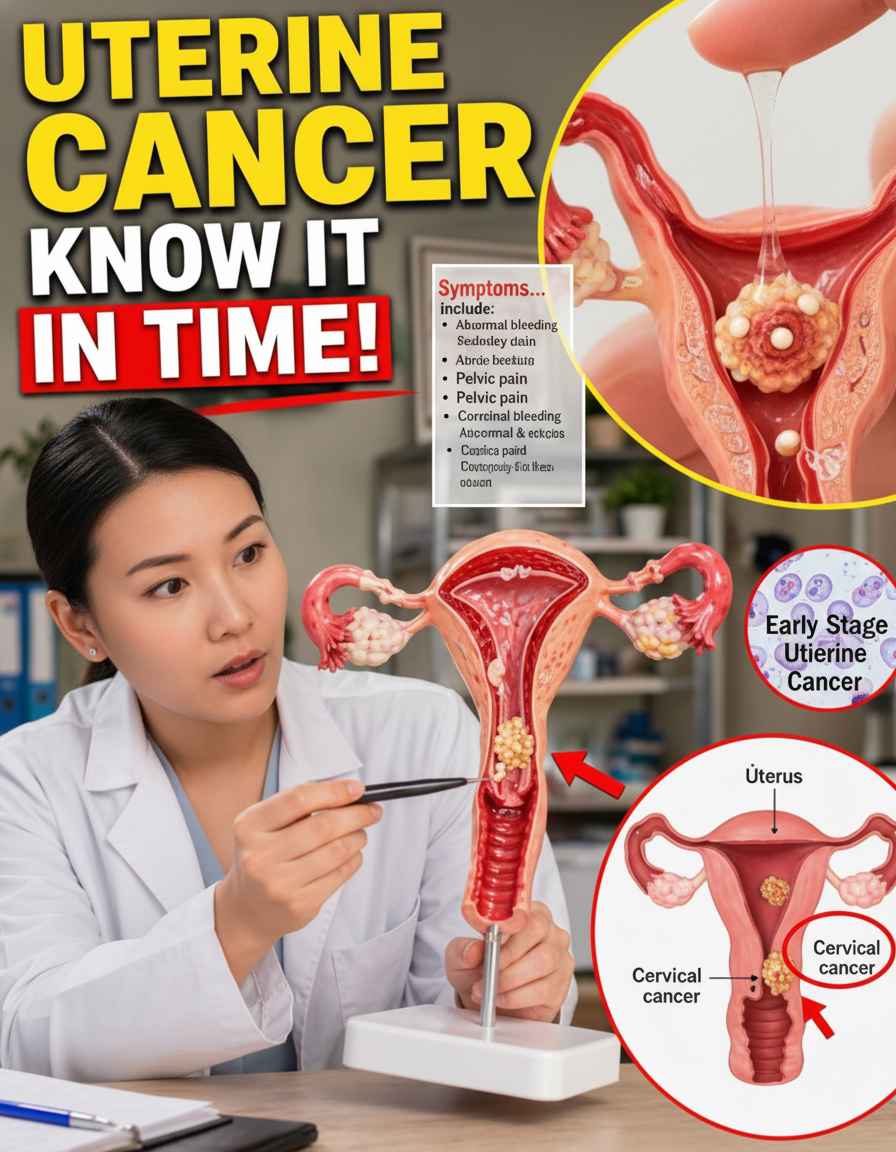
- A weird pelvic pressure or a dull, persistent ache that just won’t quit.
- Pain when you’re trying to pee – that burning sensation isn’t normal.
- Sex suddenly feels like a chore, or worse, it actually hurts.
If you’re stuck with any unusual pain that hangs around for more than a couple of weeks, you better believe you need to sit up and take serious notice. A lot of folks just shrug these symptoms off, thinking they’re minor, but let me tell you, they can be a full-blown alarm bell for some seriously gnarly problems brewing underneath.
Your Battle Plan: How to Stay Ahead of Cervical Trouble!
- Become Your Own Health Detective: Keep a simple, no-fuss log of any weird discharge, unexpected bleeding, or nagging pain. Trust me, those patterns? They’re gold.
- Don’t Skip Your Armor: Pap smears and pelvic exams aren’t just annoying appointments; they’re your absolute first line of defense. Get them done!
- Fuel Your Body Right: Eat a balanced diet, kick those cigarettes to the curb, and get a handle on your stress. It all works together to keep your cervix happy.
- Call in the Pros ASAP: If anything, and I mean anything, changes unexpectedly, don’t play doctor. Get that appointment booked sooner rather than later. Seriously, no procrastination.
Here’s a little secret, backed by science: women who actually pay attention to the subtle shifts and whispers their bodies send? They’re the ones who catch problems early. So, be a body whisperer, not a body ghoster.
FAQs: Your Burning Cervical Health Questions, Answered!
Q1: So, is every weird discharge a death sentence? Nah, not always. Sometimes your hormones just go wild, and that causes some shifts. But if it’s persistent, keeps coming back, or is just plain weird, you better believe it needs a professional eye.
Q2: Can my crazy stress levels make me bleed unexpectedly? Yeah, stress can totally mess with your cycle. But listen up: bleeding that’s completely off your normal pattern? That’s not just a “stress thing.” Get it checked out by a doc, always.
Q3: How often do I gotta get that Pap smear done? Alright, so generally, if you’re between 21–29, they say every 3 years. For the 30–65 crowd, it’s usually every 3–5 years, depending on the specific test. But remember, your doctor knows your story best, so they might tweak that schedule just for you.
Disclaimer: Listen up, this article is here to give you the lowdown and some solid info, but it is not a substitute for real-deal professional medical advice. Seriously, if you’ve got questions about any symptoms or concerns, always, always hit up a healthcare provider. They’re the experts, not us.
Share facebook Share on Facebook twitter Share on Twitter pinterest Share on Pinterest Share More More + linkedin Share on Linkedin vk Share on Vk reddit Share on Reddit tumblr Share on Tumblr viadeo Share on Viadeo buffer Share on Buffer pocket Share on Pocket whatsapp Share on Whatsapp viber Share on Viber email Share on Email skype Share on Skype digg Share on Digg myspace Share on Mys