 By admin
 Skip to content
Friday, May 8 2026
Facebook
Twitter
Pinterest
Home
Herbal Medicine
Home Tips
Garden Tips
Healthy Life
Search
Search for:
Account
Friday, May 8 2026
Search
Search for:
Menu
Home » Healthy Life » What Is Hantavirus? How Deadly Is It & Can It Be Transmitted From Human-To-Human?
Hantavirus: What Is This Nasty Bug, REALLY?
Picture this: You’re finally kicking back in your favorite chair after a grind of a day, maybe chilling at your mountain cabin or that sweet retirement spot out in the sticks. Suddenly, you spot it – a few tiny droppings in the corner. “Ugh, damn mice again,” you probably think, brushing it off like it’s no big deal. But what if those seemingly innocent little turds are actually a screaming red flag for something way, way worse? Many folks, especially our older Americans, have faced this exact moment, only to discover the brutal truth of how fast things can go south. Sure, Hantavirus isn’t plastered on every news feed, but recent terrifying outbreaks – like that nightmare scenario on a cruise ship with confirmed cases – are a gut-punch reminder: this silent killer is still lurking. In this no-nonsense guide, we’re gonna break down what this nasty bug is, how it spreads its evil, and most crucially, the rock-solid steps you can take RIGHT NOW to shield yourself and your crew. Stick around, because I’ve got a mind-blowing prevention tip at the end that could literally make all the difference in keeping your home safe.
Hantavirus: What Is This Nasty Bug, REALLY?
Alright, let’s get down to brass tacks. Hantavirus isn’t just one thing; it’s a whole damn family of viruses, and guess who’s carrying them? Rodents, especially those sneaky deer mice here in the States. These nasty viruses can jump ship to humans, triggering some seriously grim illnesses, mostly when you come into contact with their disgusting droppings, urine, or saliva. Don’t get it twisted – this ain’t some new alien invasion; health pros have been tracking this menace for decades. It’s still pretty rare, sure, but don’t let that fool you into complacency. In the U.S. alone, officials have tallied roughly 890 confirmed cases since they started keeping tabs in the 90s, with most of these nightmares popping up in the western states. So, what are the two main types you absolutely need to be aware of?
- Hantavirus Pulmonary Syndrome (HPS) : This is the real monster you need to watch out for in the Americas. It attacks your lungs, and trust me, it can shut down your breathing faster than you can say “help!”
- Hemorrhagic Fever with Renal Syndrome (HFRS) : You’ll find this beast more often in other corners of the globe. It zeroes in on your kidneys, causing all sorts of havoc.
And listen up, especially if you’re over 65 and living in the U.S. – this knowledge isn’t just trivia. Our immune systems can react wildly different as we age, and getting wise to this early isn’t just smart, it’s a damn lifesaver. Don’t play roulette with your health.
How Does This Nightmare Spread? (And Can YOU Catch It From Your Buddy? The Truth!)
Alright, here’s a small crumb of comfort: Hantavirus almost exclusively comes from those filthy rodents – NOT from other human beings. You usually get hit by inhaling microscopic particles from dried-up rodent crap that gets kicked into the air when you’re cleaning out a dusty attic, hitting the trails, or just messing around in your shed or garage. It’s insidious! Here’s the real-world rundown of how this nasty exposure goes down:
- Sweeping or vacuuming up mouse droppings like a maniac, without any damn protection.
- Strolling into that old, rarely used cabin or storage area, stirring up all kinds of hell.
- Manhandling woodpiles or digging in gardens where those disease-carrying rodents love to set up shop.
CRITICAL FACT, LISTEN UP: There’s only ONE specific strain – the Andes virus, mainly a menace in South America – that’s ever shown any limited ability to jump from person to person. Everywhere else, especially here in the U.S., you are NOT going to catch this from your spouse, your kids, or your nosy neighbor. Period. But recent cluster outbreaks? They scream one thing: you better get your act together with rodent control, especially in places where people gather, like on those damn cruise ships or shared accommodations.
Spotting the Early Warning Signs: Your Life Depends On It!
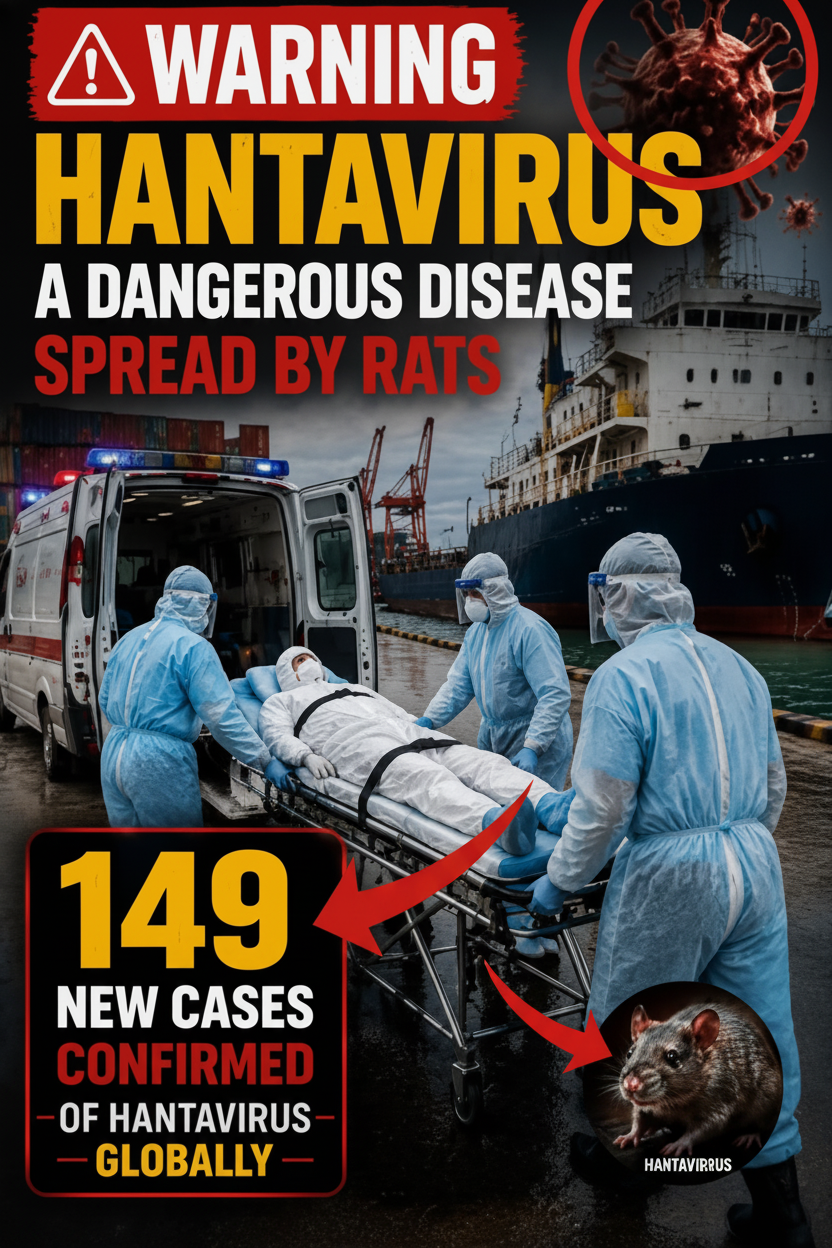
The sneaky part? Symptoms usually don’t show their ugly face until 1 to 8 weeks AFTER you’ve been exposed. They might start off like a mild flu, but don’t be fooled – they can go from zero to critical in a heartbeat. Here’s what to look out for in those terrifying early stages:
- Fever that hits you like a truck, along with bone-chilling chills.
- Muscle aches so bad they feel like you’ve been run over, especially in your big muscles.
- A pounding headache that won’t quit.
- Fatigue that drains every ounce of energy from your body.
- Dizziness or nausea that makes you feel like you’re on a sinking ship.
But here’s where it gets truly terrifying: as this nightmare progresses into HPS, you’re looking at severe shortness of breath and fluid filling your lungs – that’s a direct ticket to critical condition. If you, or anyone you care about, starts feeling those nasty flu-like symptoms AFTER even a whiff of rodent contact, I’m telling you, don’t play hero. Don’t wait around. Get your butt to a doctor, STAT. Your life could depend on it.
Hantavirus vs. The Flu: Spot the Killer Before It’s Too Late!
| Symptom | Typical Flu | Possible Hantavirus Signal |
|---|---|---|
| Fever | Gradual | Sudden and high |
| Muscle Pain | Mild to moderate | Severe, especially back/shoulders |
| Breathing Issues | Rare | Develops rapidly |
| Onset After Exposure | 1-4 days | 1-8 weeks |
This comparison table isn’t just a bunch of words; it’s a damn roadmap that can help you spot the difference between a nasty flu and a potential death sentence, BEFORE it’s too late. Pay attention!
How Deadly Is Hantavirus, Really? Don’t Underestimate This Threat!
Let’s not sugarcoat it: health authorities are screaming that a terrifying 35-38% of folks who get the full-blown respiratory form of HPS might not make it, even if they get the best care money can buy. That number? It’s not just scary; it’s downright horrifying. But hold on a second – don’t panic entirely. Most people who get exposed never actually develop the severe illness. And here’s a glimmer of hope: getting to the hospital early, with oxygen support and fluids pumping, drastically ups your chances of survival. Still, if you’re a senior with other health issues, you better be extra, EXTRA vigilant. There’s no magic cure or vaccine for this monster yet, which means one thing: prevention is your ONLY damn shield. Period.