 By admin
 Heart Attack Hitting Hard? You Got SECONDS, Not Minutes. Here’s the Real Talk.
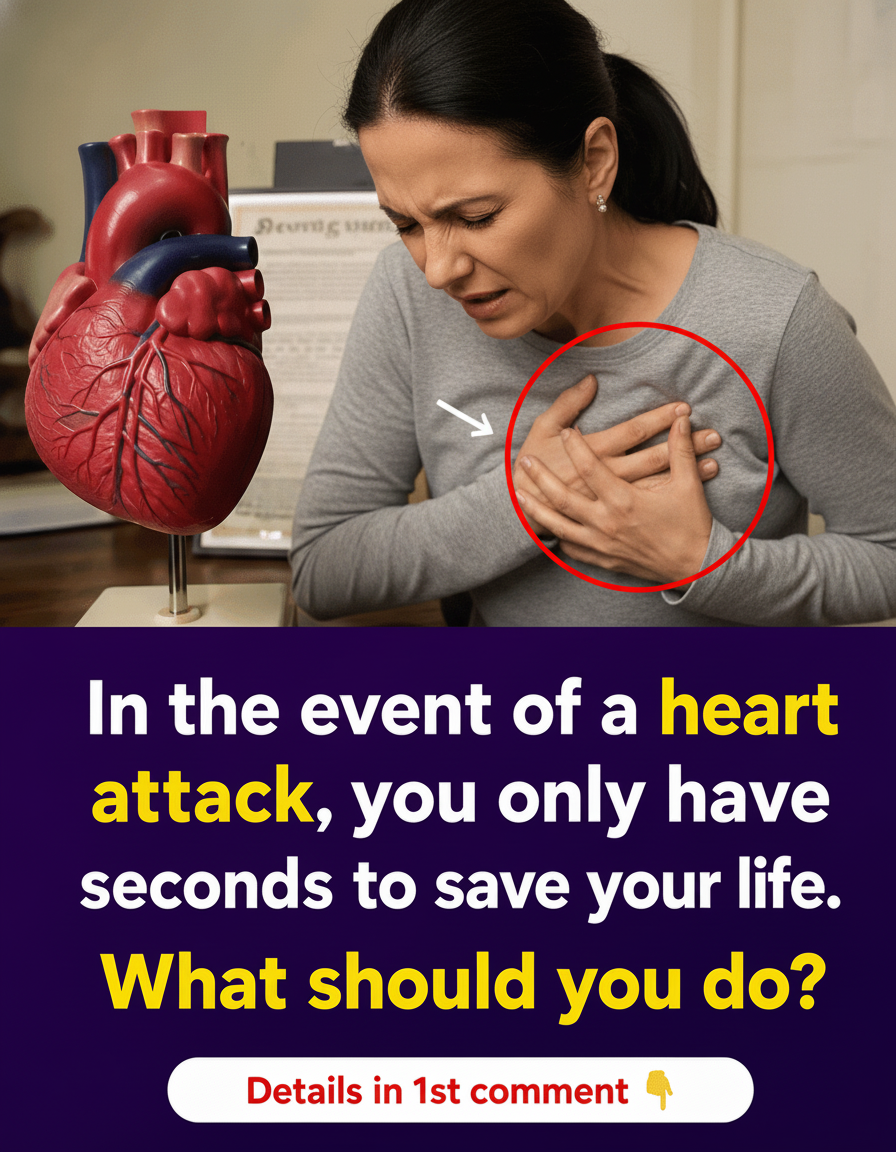
That sudden vise-grip or crushing weight in your chest? Yeah, that shit can hit you like a truck, no warning, leaving you absolutely paralyzed with fear, especially if you’re riding solo at home. The nasty discomfort might start spreading, creeping into your arms, jaw, or back, making even the simplest move feel impossible and sending your heart into a frantic, anxious drum solo.
But listen up: knowing your game plan, knowing exactly what to do when every damn second counts, can be the difference between life and… well, you know. In the following sections, we’re gonna lay out the cold, hard facts – the practical, expert-backed moves that could literally save your skin. And yeah, we’ll even drop a simple, often-missed tip that helps keep your ticker running until help busts through your door.
Don’t Be a Dummy: Spotting the Red Flags Before It’s Too Late
Forget the Hollywood dramatics; a real heart attack doesn’t always come with a movie-style collapse. It can sneak up as just a pressure, a squeeze, or a general feeling of fullness that hangs around for more than a few minutes, or just keeps playing peek-a-boo. You might also find yourself gasping for air, drenched in a cold sweat, or feeling like you’re about to hurl. When you’re all alone, these symptoms can be confusing as hell.
Your brain might pull a fast one, screaming, “It’s just heartburn!” or “Stress, man, just stress!” But health pros are screaming back: lightning-fast recognition makes ALL the difference in how this nightmare unfolds. So here’s the kicker: even if you’re not 100% sure, it’s always, ALWAYS better to treat it like the real deal than to tough it out alone and regret it later. Your life ain’t a gamble, folks.
Forget Everything Else: Your First Move is to Dial 911 (NOW!)
If you feel any of these heart attack symptoms and you’re home alone, drop whatever you’re doing, grab that damn phone, and dial 911 (or your local emergency number) RIGHT. NOW. Tell the dispatcher, clearly and calmly, exactly what’s hitting you and where you are. Don’t even THINK about feeling embarrassed or like you’re wasting their time. Emergency responders are built for this; they’d rather check on you a hundred times for nothing than show up a second too late.
And this is non-negotiable, listen closely: DO NOT, under any circumstances, try to drive your own ass to the hospital. The big shots at the American Heart Association are crystal clear – driving while you’re actively having chest pain or other symptoms isn’t just risky for you, it puts every other poor soul on the road in danger too. Stay put, call for help.
Chill Out, Seriously: How Keeping Your Head Saves Your Ass
Panic? That’s the LAST thing you need right now. It’ll make your heart work even harder, and trust me, it’s already got enough on its plate. So, take a damn breath. Slow, deep breaths can literally stop your body from spiraling out of control. Find a spot to sit or lie down that feels even remotely comfortable while you wait for the cavalry. A lot of folks find that a half-sitting position takes some of the brutal load off their heart. But wait, there’s more – unbuttoning or loosening anything tight around your neck, chest, or waist can make breathing feel a whole lot easier too. Every little bit helps.
The Aspirin Hack: A Lifeline Many Forget (But Shouldn’t!)
Once you’ve made that critical call for help and you’re hunkered down, if you’ve got a 300 mg aspirin tablet lying around and you’re not allergic, CHOMP on it. Chewing it makes that medicine hit your bloodstream way faster than just swallowing it whole. This move is a major player in emergency guidelines because it can seriously help limit the damage from blood clots in certain situations.
Crucial warning, pay attention: only pull this stunt if you’ve got no history of bleeding problems or an aspirin allergy. And honestly, it’s best if the 911 dispatcher gives you the green light first. Absolutely, positively DO NOT take any other random meds on your own during this terrifying time. Stick to the plan, stick to what the experts say.
Here’s the no-BS list of immediate actions the pros recommend:
- Smash that 911 (or local emergency) number ASAP and stay on the line. Don’t hang up until they tell you to.
- If they say it’s cool and you’re not allergic, chew a 300 mg aspirin tablet. Don’t swallow it whole, CHEW it.
- Get comfy. Sit or lie down in a semi-reclined position with your back supported.
- Loosen any tight crap around your neck, chest, or waist. Let your body breathe.
- Focus on slow, steady breathing. Keep that panic monster locked away.
- Go unlock your front door. Make it easy for those paramedics to get in if you can’t answer.
Seriously, Don’t Screw This Up: Common Blunders That Could Cost You Your Life
It’s just human nature, right? We wanna play hero, tough it out, or fix everything ourselves. But when it comes to a heart attack, that mindset is a death wish. Too many people ignore the warning signs, hoping they’ll just vanish, or they try to walk it off like a bad hangover. Others go rummaging for whatever random pills or supplements they’ve got in the cabinet. Health authorities are screaming from the rooftops: these bonehead moves will only delay proper medical help and can, quite frankly, make a bad situation a hell of a lot worse.
And here’s another whopper: refusing to call for help because you “don’t want to bother anyone.” Are you kidding me? EMERGENCY TEAMS EXIST for exactly these moments. They’re not sitting around twiddling their thumbs; they’re there to save your damn life. Don’t let false politeness be your undoing.
Smart Moves Now: Prep Your Ass Before Disaster Strikes
Being prepared isn’t just smart; it’s peace of mind, long before any scary symptoms even think about showing up. Keep a list of your emergency contacts taped by your phone or locked in your phone’s favorites. If your doctor has given you the nod for daily low-dose aspirin, ask them about having an emergency dose ready to rock. And for Pete’s sake, make sure your home address is clearly visible from the street, so when those emergency services roll up, they can find you fast, no scavenger hunt needed. Here’s a quick preparation checklist
Stay sharp, stay safe, and arm yourself with knowledge. Your life is worth fighting for. For more vital health insights and tips that could make all the difference, keep exploring dogpjs.com. We’ve got your back!