 By admin
 Past 60? Don’t Brush Off These Sneaky Brain Warnings – Your Life Could Depend On It!
You shrug it off, telling yourself it’s ‘just a rough day’ when your head’s pounding or your balance goes wonky. Especially around family, because who wants to look weak, right? But deep down, that nagging feeling? That something’s off, not quite right? Yeah, that quiet worry sticks around longer than you’d ever admit. Listen up: That little voice might be screaming a vital warning.
Here’s the brutal truth: some of those ‘harmless’ little nudges your body gives? They’re anything but. For too many, by the time they finally take these brain warning signs seriously, it’s already a critical situation. But here’s the kicker, the part nobody whispers until it’s a full-blown crisis: one tiny, overlooked symptom could be the silent alarm for something deadly serious.
Brain Aneurysms After 60: What They Are & Why They’re a Game-Changer
So, what’s a brain aneurysm? Picture this: a weak spot in one of your brain’s blood vessels starts to puff out, like a worn-out balloon slowly stretching under pressure. Loads of folks walk around with one and never even know it. But if that ‘balloon’ springs a leak or, God forbid, bursts? That’s when things go from zero to life-threatening in a heartbeat. This isn’t just medical jargon; it’s your reality check.
Now, why does this become such a big deal after 60? Simple: Father Time isn’t always kind. Your blood vessels naturally get less flexible, more fragile, making them prime targets. Medical pros confirm it: high blood pressure, a history of smoking, and chronic stress crank up your risk factors big time. But wait, there’s more to this grim picture…
The nastiest part? Most of the early warning signs are so subtle, so sneaky, you’ll probably just shrug them off.
The Sneaky Early Warnings Many Women (And Men!) Miss
These subtle brain warning signs often creep up quietly, getting dismissed as ‘just tired,’ ‘getting old,’ or ‘too much stress.’ Don’t fall for it! Here are the most common red flags you absolutely need to know:
- Head and Vision Changes
- A sudden, blinding headache – not your usual tension headache, but something truly agonizing.
- Persistent pain behind or around just one eye.
- Vision suddenly goes fuzzy, or you start seeing double.
- Body and Balance Signals
- Sudden dizziness or feeling like you’re walking on a boat, struggling to stay steady.
- Neck stiffness that comes out of nowhere, with no obvious reason.
- Unexplained nausea or vomiting – and you know it’s not that dodgy taco from last night.
- Neurological Clues
- Suddenly struggling to speak clearly, like your tongue’s tied.
- Feeling utterly confused, or can’t make sense of what people are saying.
But here’s the truly terrifying blunder most people make, and it could cost them everything: They wait. They cross their fingers, hoping it’ll just vanish. And sometimes, folks, it absolutely, tragically, doesn’t.
The Silent Killer Symptom You CANNOT Afford to Ignore
Okay, let’s zero in on the one symptom that plays hide-and-seek with your attention, the one that often goes completely unnoticed: one-sided weakness or numbness. You might feel like your arm’s just ‘off,’ or your leg isn’t quite listening to commands. Maybe you’re suddenly butterfingers, dropping everything. Or perhaps one side of your body feels oddly tingly, heavy, or just plain weird.
Many people blame:
- “Oh, it’s just poor circulation.”
- “Must’ve slept funny on that arm.”
- “Eh, just another joy of getting older.”
But here’s the cold, hard truth, so listen carefully: this isn’t just ‘getting old.’ This is a blatant neurological signal screaming that your brain is under immense stress. And pretending it’s not happening? That’s not just a risk; it’s one of the biggest, most dangerous gambles you can take with your life. Don’t play Russian roulette with your brain health!
Stop the Confusion: Separating Brain Aneurysm Fact from Fiction
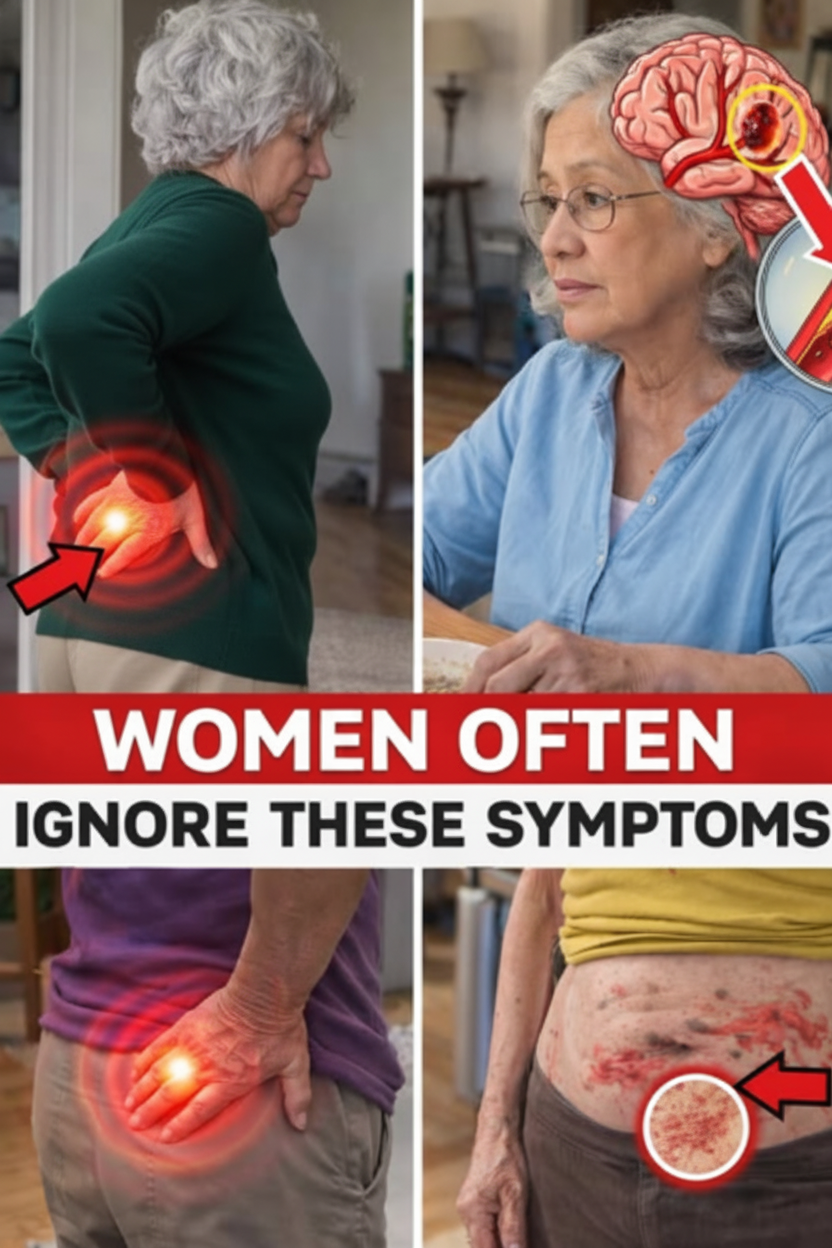
You’ve probably seen those viral posts or online images, right? They throw a bunch of random symptoms into the mix, leaving everyone utterly confused. Let’s cut through the noise and get crystal clear with a straightforward comparison:
| Symptom | Common Cause | Related to Brain Aneurysm |
|---|---|---|
| Lower back pain | Muscle strain, posture | No direct link |
| Hip discomfort | Joint wear, arthritis | No direct link |
| Skin rash on abdomen | Shingles or skin conditions | No direct link |
This next bit is crucial, folks: not every little ache or pain means your brain is on the fritz. Your back hurts? Probably muscle strain. But those neurological symptoms we just talked about? NEVER, EVER ignore them. They are your brain’s urgent distress call.
Why Your Brain Aneurysm Risk Jumps After 60
As those candles pile up on your birthday cake, some quiet, sneaky changes are happening inside:
- Your blood vessels get stiff, losing their youthful elasticity.
- Your blood pressure might creep up, putting extra strain on those vessels.
- And chronic, long-term inflammation? That sneaky culprit can seriously weaken your vessel walls, making them vulnerable.
Research screams that your lifestyle choices play a massive role:
- A history of smoking (the absolute worst for your vessels).
- Untreated high blood pressure (a silent killer).
- A family tree riddled with vascular issues.
- Sky-high cholesterol levels.
And here’s the jaw-dropping kicker most people never see coming: you can be feeling absolutely fantastic, on top of the world… until, like a bolt from the blue, something suddenly and catastrophically changes. Don’t let complacency be your downfall.
Spotted a Warning? Here’s Your Non-Negotiable Action Plan!
If that gut feeling tells you something’s just not right, for the love of everything, TRUST IT! Don’t second-guess yourself. Here’s your straightforward, no-nonsense action plan:
Step 1: Don’t Dismiss the “Off” Feeling
If a symptom feels even slightly different from your usual aches, pains, or quirks, do NOT, under any circumstances, ignore it. Your ‘normal’ just shifted, and that’s a signal.
Step 2: When to Hit the Panic Button (And Call 911!)
For these severe brain warning signs, stop reading and get immediate medical help. We’re talking 911, right now, if you experience:
- A sudden, excruciating headache that feels like the worst pain of your life.