 By admin
 The 5 Warning Signs of Mini Stroke in the Elderly Every Caregiver Needs to Recognize
Listen up, caregivers! Taking care of your beloved elders means keeping your eyes peeled for everything. What looks like just another tired day or a little ache could actually be a scream for help, something urgent that needs your attention, like, yesterday. We’re talking about mini strokes here, also known as transient ischemic attacks or TIAs. These sneaky little devils often hit fast and then their symptoms vanish just as quickly, making them super easy to miss in seniors. But here’s the kicker: understanding these critical signals can literally be the difference between life and serious complications for your loved one. Stick with us, and by the end of this article, you’ll be armed with simple, powerful ways to stay sharp and know exactly what moves to make if you spot trouble.
What Is a Mini Stroke and Why It Matters More for Seniors
So, what’s the deal with a mini stroke? Picture this: a brief, nasty interruption of blood flow to a part of the brain. Now, unlike a full-blown stroke, this blockage is usually just a temporary snag, and the symptoms often clear up in minutes or a few hours. But don’t you dare dismiss it! This isn’t just a minor glitch; it’s a blaring air horn, a crucial warning shot that a much nastier, full-blown stroke could be right around the corner. Experts, like those at the American Stroke Association, shout it from the rooftops: older adults are at a higher risk. Why? Blame it on aging blood vessels, common culprits like high blood pressure, and other circulation issues that come with age. That’s precisely why you, the dedicated caregiver, need to be hyper-vigilant about even the most subtle shifts in your elderly family members. Brushing these episodes off as “just part of getting old” is a dangerous game, potentially delaying vital medical checks that could save their life.
The 5 Key Signs of Mini Stroke in the Elderly to Watch For
Alright, this is where it gets real, folks. Many caregivers find this section a true eye-opener, a gut check. These symptoms can be fleeting, and they do vary, but one thing’s for sure: they typically hit like a lightning bolt, out of nowhere. Let’s cut to the chase and break down the five most common warning signs that demand your immediate, undivided attention. No dilly-dallying here!
1. Sudden Weakness or Numbness on One Side of the Body
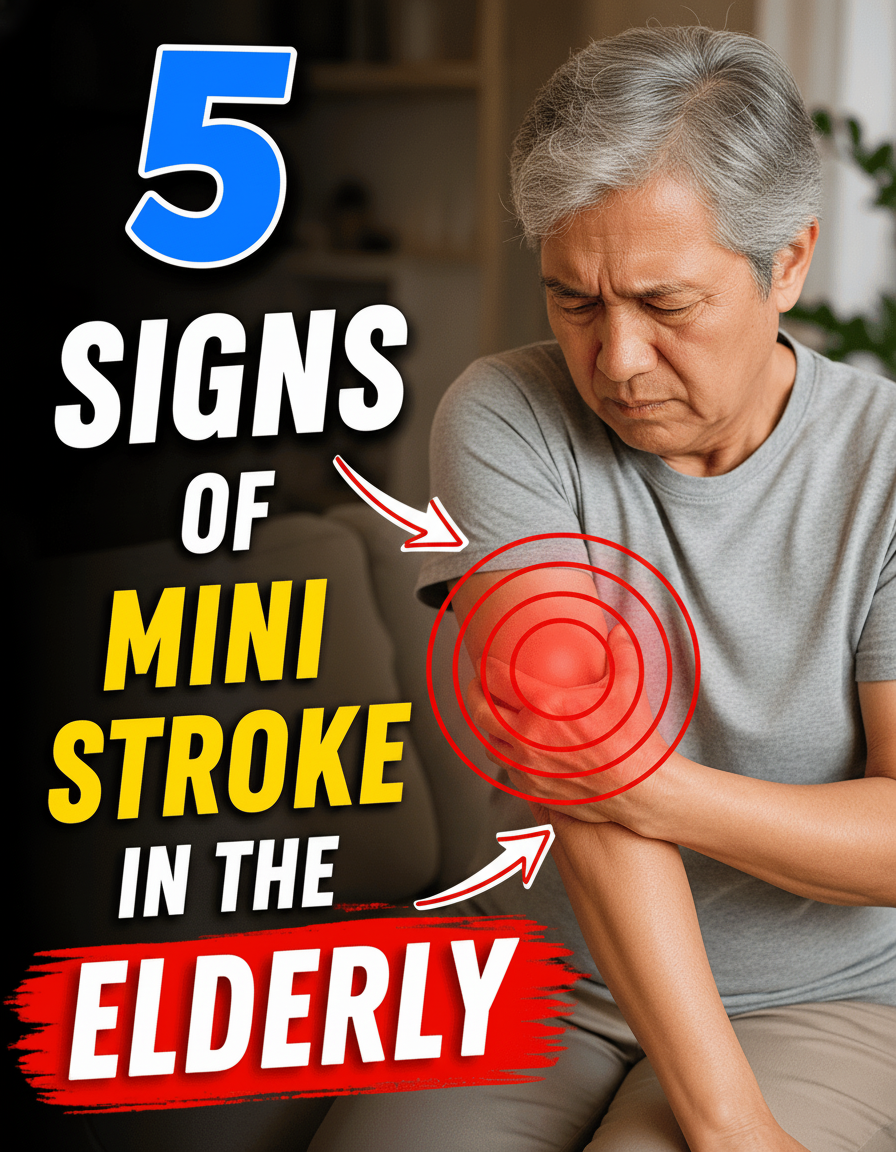
This is one of the big ones, a sign you absolutely cannot miss: sudden weakness or numbness, often playing dirty by affecting just one side of the face, an arm, or a leg. Imagine your loved one suddenly struggling to lift an arm, fumbling with objects, or complaining that one side of their face feels… off. You might even see them rubbing an arm or shoulder unexpectedly, just like those awareness posters show. In seniors, it’s easy to shrug this off as an arthritis flare-up or a simple muscle strain. But here’s the crucial distinction, the game-changer: it’s the sudden onset that screams “Danger! Mini Stroke!”
2. Facial Drooping or Asymmetry
Get a load of this next indicator: a noticeable droop or an uneven, lopsided look on one side of their face. Try this: ask them to smile. Does one side of their mouth stay put, refusing to lift like the other? Do their eyebrows or mouth look crooked, even for a short while? Now, in older adults, who might already have some natural facial changes from years lived, this can be subtle. But don’t let subtlety fool you! This is a classic, unmistakable warning that blood flow to the brain might have been temporarily messed with. Don’t ignore it!
3. Difficulty Speaking or Understanding Speech
Speech problems are a common, tell-tale sign during a mini stroke. Your loved one might suddenly sound like their tongue is tied, slurring their words, or struggling hard to find the right words. Or maybe they just can’t seem to grasp what you’re saying. Their sentences might come out as garbled nonsense, even if they seem otherwise alert and with it. For our elders, this can sometimes get mixed up with confusion from other issues, like bad medication side effects or just plain dehydration. But again, the golden rule, the absolute key: it’s the sudden, unexpected nature of this change that flags it as a serious problem.
4. Sudden Vision Problems
Don’t overlook this one! Vision disturbances can be terrifying, ranging from blurry sight, to seeing double, or even a temporary loss of vision in one or both eyes. An older person might suddenly blurt out that everything looks fuzzy, or that they can’t see clearly out of one eye. These issues might clear up quickly, but hear this loud and clear: they should never, ever be ignored. Seniors might try to brush it off, thinking they just need new glasses or that it’s eye strain. That’s why your awareness, your sharp eye, is more critical than ever.
5. Dizziness, Loss of Balance, or Severe Headache
Rounding out our list of urgent signs are feelings of sudden dizziness, being unsteady on their feet, or getting hit with a severe headache that seemingly comes out of nowhere. We’re talking about a headache so bad it stops them in their tracks, with no obvious cause. They might suddenly struggle to walk straight, their coordination all over the place for a brief period. But here’s the real kicker, what makes this particularly alarming in the elderly: these symptoms can easily be mistaken for other age-related issues, like inner ear problems or migraines. The crucial differentiator, the lifeline, is the abrupt, sudden start. But wait, there’s more! A simple trick, a memory tool, can help you jump into action when any of these signs rear their ugly head.
Using the FAST Method to Respond Quickly
When seconds count, knowing what to do can save a life! Healthcare pros swear by the FAST acronym – it’s your go-to guide to remember and react to possible stroke signs, including those sneaky mini strokes. Commit this to memory, because it could be the most important thing you learn today:
- Face: Ask the person to smile. Does one side droop? Is it lopsided?
- Arms: Ask them to raise both arms. Does one arm drift downward? Is one weaker than the other?
- Speech: Ask them to repeat a simple phrase. Is their speech slurred, garbled, or just plain strange?
- Time: If you observe any of these signs, even if they disappear, it’s TIME to call emergency services (like 911 in the US) IMMEDIATELY. Every second counts!
There you have it, folks! The knowledge you need to be a true hero for your elderly loved ones. Recognizing these mini stroke warning signs isn’t just good caregiving; it’s life-saving. Don’t leave without checking out more of our crucial, quality articles designed to keep you informed and your family safe. Your loved ones deserve the best, and we’re here to help you give it to them. Keep exploring our site for more indispensable wisdom and stay tuned for more tips that truly matter!
”
}
“`