 By admin
 Shower Peeing: Is It Silently Screwing With Your Bladder Control?
Stepping into a warm shower? Ah, pure bliss, right? Especially after a brutal day, when your body just wants to let loose and relax. Tons of folks, especially as they get a little older, just fall into the habit of peeing in there without a second thought. It’s quick, it’s private, and hey, it saves an extra trip across the cold bathroom floor. But here’s the kicker, folks: this seemingly innocent shortcut can quietly start messing with your brain and bladder, training them to fight each other over time. We’re talking stronger urges when you least expect them, and a bladder that just won’t empty completely when it should. The cold, hard truth is that what feels like a harmless time-saver might actually be reshaping crucial signals that impact your daily comfort and confidence. Stick with me till the very end, because I’m about to drop some knowledge on a simple fix that supports your body’s natural rhythm and helps you keep that independence you cherish.
The Everyday Habit That’s Secretly Brainwashing Your Bladder
Your brain is a sneaky little genius when it comes to forming connections based on what you do over and over again. So, when you consistently relieve yourself while standing under that glorious running water, guess what? The sound, the warmth, the whole sensation gets hardwired to the urge to go. Over weeks and months, this association gets stronger than your grandma’s coffee, just like any other daily routine that becomes automatic. Before you know it, you might find that urge hitting you like a ton of bricks whenever you hear water running anywhere else – at the kitchen sink, during a sudden rainstorm, or even when someone flushes a toilet nearby. Urologists aren’t making this up; they’ve seen this exact type of conditioned response in patients who suddenly develop urgent needs in situations that never bothered them before. For older adults already dealing with changing bladder signals, this extra layer of learned urgency can turn simple moments into full-blown panic attacks. But here’s the good news: habits formed this way can absolutely be unlearned if you give your brain clearer, more consistent signals. You’ve got this!
Peeing While Standing: The Nasty Truth About Your Pelvic Floor
Your pelvic floor muscles? They’re like the unsung heroes of your body, working best when they can fully relax and then contract in a perfectly coordinated dance. But when you’re peeing in the shower, especially while standing, those muscles often stay partially tensed up because your body is busy balancing. That position? It’s just not ideal for a complete release. What does that mean for you? It can leave a tiny bit of urine behind, and over time, it can actually weaken those muscles’ ability to support strong, controlled emptying. Research on pelvic floor function screams it loud and clear: consistent, full relaxation is key to maintaining strength and coordination as we age. Many folks in their 60s, 70s, and beyond already notice subtle changes in how completely they empty their bladder or how long they can comfortably hold it. Adding a daily habit that limits full relaxation? That’s just piling on more trouble. Ladies, you might feel these effects more acutely due to anatomical differences and higher rates of pelvic floor changes after menopause. But fellas, don’t think you’re off the hook – these same muscles are crucial for prostate and bladder function too!
The Infection Question That Deserves Your Full Attention (Seriously!)
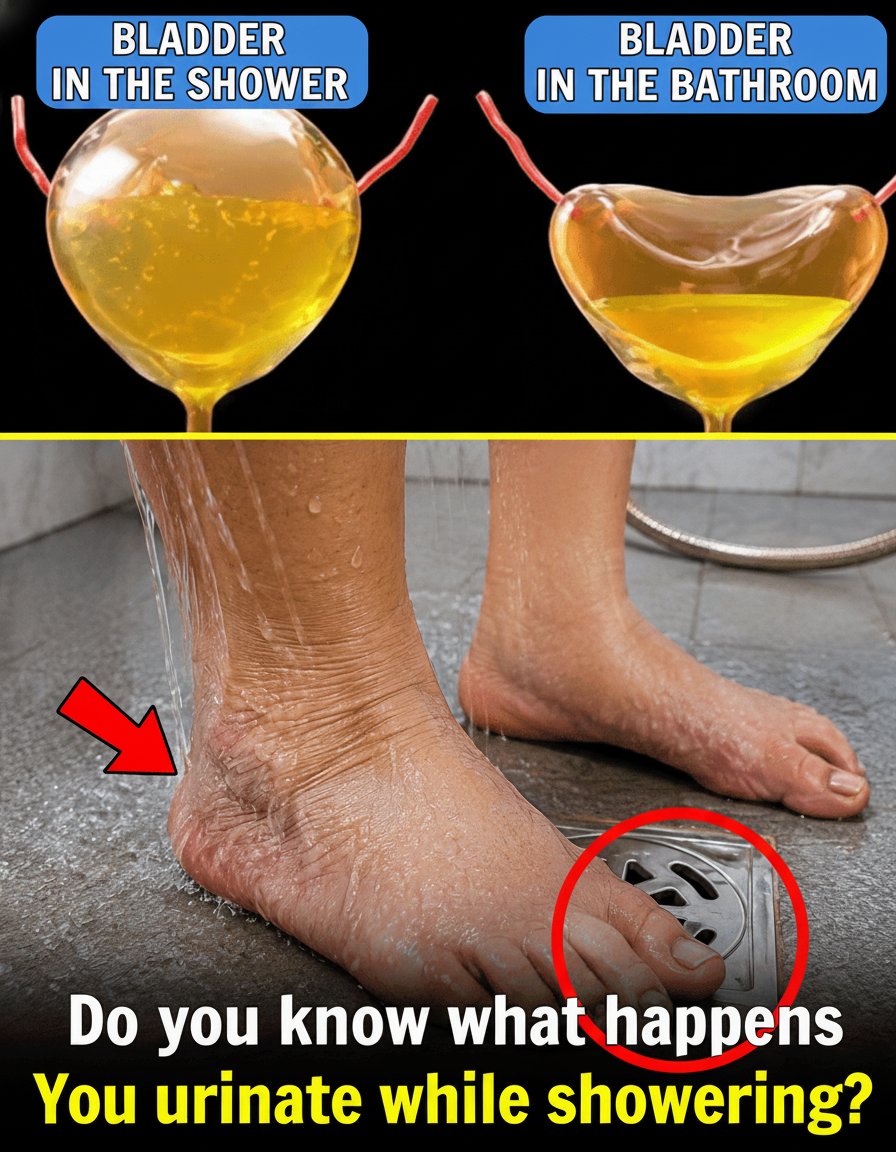
Alright, let’s get real. Urine from a healthy person usually has very few bacteria. But the shower environment? That changes the whole damn picture. If you’ve got any tiny cracks, cuts, or skin issues on your feet – which are super common with age, diabetes, or poor circulation – those bacteria from your pee can find a cozy little spot to hang out. And guess what? Those warm, moist conditions in a tub or around the drain give microbes an open invitation to multiply, way more than a toilet that just flushes everything away instantly. Health professionals from top clinics, including the smart folks at Cleveland Clinic, generally give one piece of advice: keep your urination in the toilet. Don’t turn your shower into a second bathroom. This is especially crucial if you’ve ever had urinary tract sensitivity or those annoying slow-healing skin issues. The risk might be low for a one-off oopsie, but making it a regular habit? You’re just adding an unnecessary variable to your daily routine, and frankly, who needs that kind of drama?
Saving Water vs. Screwing Your Bladder: Why Experts Still Say NO
Look, I get it. The argument for peeing in the shower to save water sounds pretty good on paper. Under a direct stream, it uses less water than an extra flush, and in the moment, it feels hygienic. Some estimates even suggest households could save thousands of gallons over a year. That practical benefit? It’s absolutely real. However, when you weigh that against the potential for those annoying trained urgency responses, less complete muscle relaxation, and the added risk of infections, the scale tips dramatically towards long-term discomfort. Urologists and continence specialists are shouting it from the rooftops: use the toilet first. Let your shower remain a sacred place for rinsing, not releasing. Those few seconds it takes to sit or stand at the toilet before stepping into the shower? Trust me, your bladder will thank you for it.
So, there you have it. The truth about your shower habits and your bladder. It’s time to make a conscious choice for your long-term health and comfort. Your body deserves better than a quick, risky shortcut!
Want more straight talk and expert advice to live your healthiest, most confident life? Dive into our other articles right here on the site. We’re always here to help you stay sharp and informed!