 By admin
 You know that feeling, right? That gut-wrenching, swollen mess in your belly that just won’t quit – making your jeans feel like a torture device, or leaving you feeling stuffed even after a tiny bite. **Persistent bloating** isn’t just annoying; it’s one of the most common gripes people have about their digestion. Sure, sometimes it’s just a temporary hiccup from that dodgy takeout, stress, or a momentary gut imbalance. But hold up! When that **abdominal discomfort** becomes a constant nightmare, turns severe, or brings along other unwelcome guests, that’s your body screaming for attention. It could be an early warning sign of something deeper. So, listen up! If you’ve been battling this **ongoing bloating** for weeks or months, and those “simple diet changes” aren’t cutting it, here are the 8 big players doctors zero in on.
1. Small Intestinal Bacterial Overgrowth (SIBO)
What it is
Picture this: too many of the wrong kind of bacteria throwing a party in your small intestine. They’re feasting on your undigested food, fermenting it like crazy, and churning out **massive gas**. Result? That tell-tale **bloating** kicks in, usually a quick 30–90 minutes after you’ve eaten.
Typical symptoms
- Your belly blows up fast after grub (especially after carbs or fiber – those sneaky devils!).
- That **abdominal distension** just gets worse and worse as the day drags on.
- You’re either stuck on the toilet, running to it, or swinging between the two.
- Farting and burping like there’s no tomorrow, plus that crushing **fatigue**.
Who’s at risk
Anyone whose gut moves like a snail (think diabetes, hypothyroidism, or after surgery), folks with **low stomach acid**, or if you’ve been on a round of antibiotics.
Next step
Time to get real: a **breath test** (lactulose or glucose) is the undisputed champion for diagnosis. Once they nail it, a combo of antibiotics and prokinetics usually sends those bad bugs packing.
2. Irritable Bowel Syndrome (IBS)
What it is
This isn’t just a mood swing for your gut; it’s a full-blown functional disorder where your intestines act up with wonky motility and super-sensitive nerves. Welcome to **Irritable Bowel Syndrome**!
Typical symptoms
- That **bloating** gets worse after you eat but magically (almost) melts away after a good bowel movement.
- **Abdominal pain** that finally gives you a break after you’ve, well, done your business.
- You’re either glued to the toilet or backed up like a highway in rush hour.
- Spotting some mucus in your stool? That’s another red flag.
Who’s at risk
Super common, especially once you hit the big 4-0. Stress, diet disasters, and your **gut microbiome** playing tricks are often the culprits that set it off.
Next step
Doctors use the Rome IV criteria to diagnose this beast. Then, get ready for a trial of the **low-FODMAP diet** – it’s often your best shot at finding relief.
3. Food Intolerances & Sensitivities (Especially FODMAPs & Lactose)
What it is
Your gut just can’t handle certain carbs (like those pesky **FODMAPs**) or **lactose**. When they hit your system undigested, your gut bacteria throw a fermentation party, cranking out gas and, you guessed it, more **bloating**.
Typical symptoms
- That bloat-fest usually kicks off 1–3 hours after you’ve munched on specific foods (think onions, garlic, wheat, dairy, beans, apples – the usual suspects!).
- Often, it brings along its nasty friends: cramps, excessive flatulence, and a sudden sprint to the loo.
Who’s at risk
Super widespread! **Lactose intolerance** skyrockets after 40, and **FODMAP sensitivity** often sneaks up on you later in life.
Next step
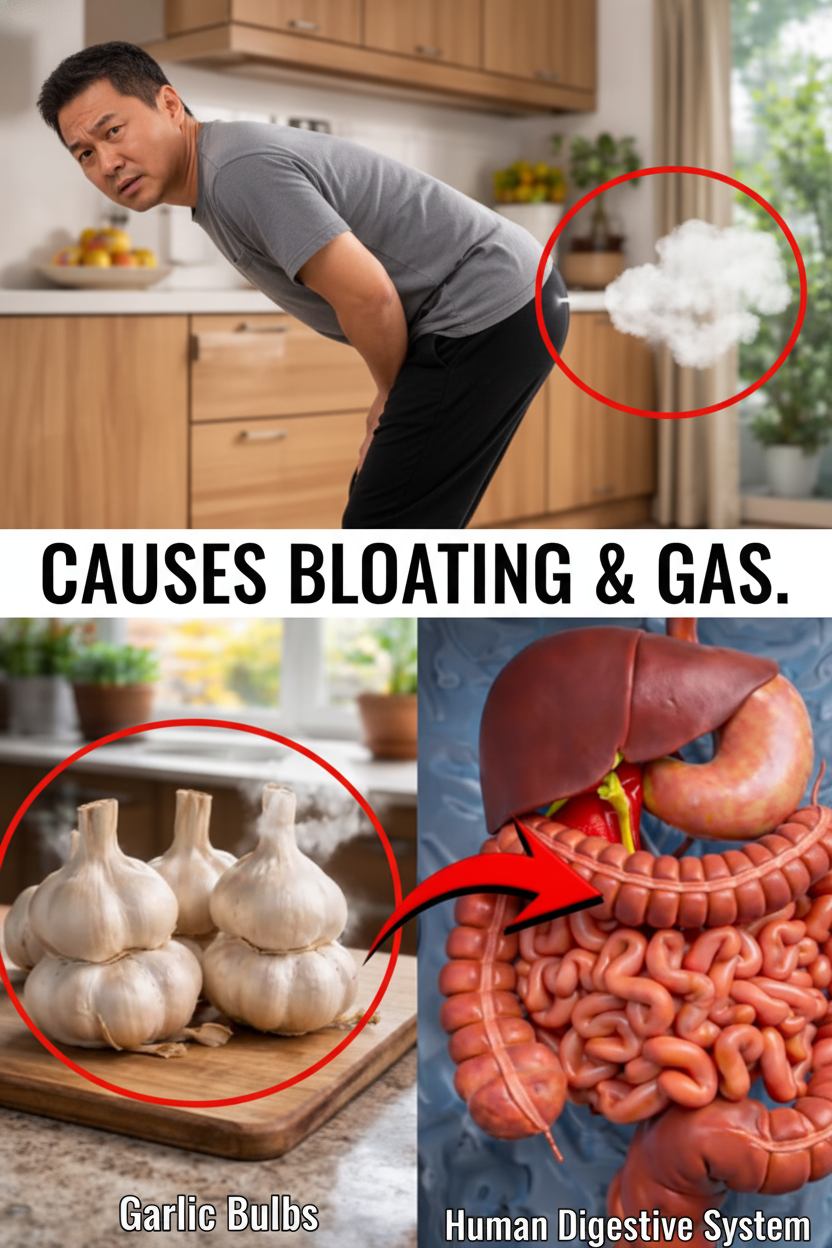
The ultimate detective tool? An **elimination diet** (like low-FODMAP for 4–6 weeks) under the watchful eye of a dietitian. It’s the most effective way to pinpoint your triggers.
4. Celiac Disease or Non-Celiac Gluten Sensitivity
What it is
This isn’t just a tummy ache; it’s your immune system going rogue against **gluten** (that’s **celiac disease** for you) or a sensitivity that causes inflammation without the full-blown damage. Either way, it means gut inflammation, **bloating**, and your body struggling to absorb nutrients.
Typical symptoms
- **Chronic bloating** that just won’t quit, plus brain fog, joint pain, and feeling constantly drained.
- Anemia and those nasty vitamin deficiencies (B12, iron, D) are common sidekicks.
- Got a weird skin rash (dermatitis herpetiformis)? That’s a classic sign of celiac.
Who’s at risk
It can hit at any age. Many people don’t get diagnosed until their 40s–60s, after years of battling vague, mysterious symptoms. Don’t let it be you!
Next step
Get those blood tests done (tTG-IgA, total IgA, deamidated gliadin) and be ready for a potential endoscopy/biopsy to get the real scoop.
5. Small Intestinal Fungal Overgrowth (SIFO) or Candida Overgrowth
What it is
Just like bacteria, yeast (usually **Candida**) can get out of control in your small intestine. When this happens, it ferments everything, leading to – you guessed it – more gas and that stubborn **bloating**.
Typical symptoms
- Bloating, coupled with intense **sugar cravings**, brain fog, recurring yeast infections, and that tell-tale white coating on your tongue.
- Symptoms often hit harder after you’ve indulged in carbs or sugar.
Who’s at risk
Been on antibiotics lately? Love your sugary treats? Got diabetes or a weakened immune system? You might be a prime target for this fungal takeover.
Next step
A thorough **stool analysis** can shed light on the situation. Then, a trial of an antifungal diet and supplements, guided by a pro, might be your ticket to relief.
6. Gastroparesis (Delayed Stomach Emptying)
What it is
Your stomach is acting sluggish, emptying food way too slowly. This means food hangs around, ferments, and causes massive **bloating**, that “full” feeling way too soon, and often, nausea. It’s called **Gastroparesis**.
Typical symptoms
- Seriously severe bloating and fullness, even after munching on just a tiny meal.
- Nausea and, sometimes, throwing up undigested food hours after you’ve eaten. Gross, right?
- That persistent discomfort in your upper abdomen.
Who’s at risk
**Diabetes** is the biggest culprit here, but it