 By admin
 Still Battling That Damn Yeast Infection? Here’s How to Finally Kick It to the Curb!
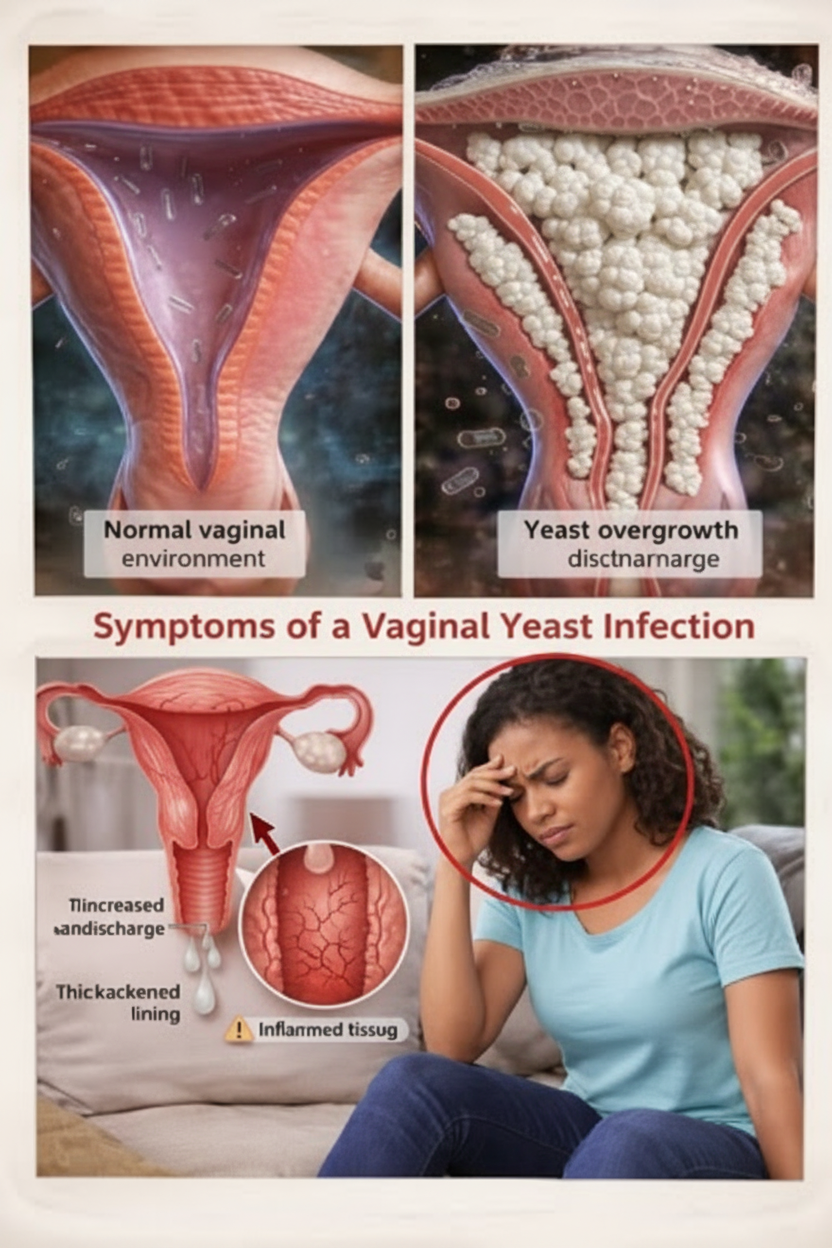
Let’s be real, ladies. If you’re reading this, you’re probably fed up. That pesky vulvovaginal yeast infection – also known as candidiasis or thrush – is back again, making your life a living hell. Normally, a tiny bit of Candida fungus hangs out in your vagina, no big deal. But when that little bugger decides to throw a party and overgrow, you get the whole miserable package: itching, burning, that weird thick discharge, and just general discomfort. Most women deal with this crap at least once. Usually, a quick antifungal cream or a pill like fluconazole sends it packing. But for some of you – a frustrating 8-10% – these infections keep popping up, four or more times a year. Yeah, that’s called recurrent vulvovaginal candidiasis (RVVC), and it’s enough to make you scream. It totally messes with your quality of life. The good news? Don’t despair! Most cases can be managed. You just need the right diagnosis, the right treatment, and some smart prevention tactics.
Common Reasons Yeast Infections Recur
Hold up! It’s not usually about some super-resistant bug (though that can happen). More often, it’s a bunch of different factors ganging up to throw your vaginal balance out of whack. Let’s break down what’s really going on:
- Hormonal Changes: Those damn estrogen fluctuations – think pregnancy, birth control, HRT, or menopause – basically roll out the red carpet for Candida. Your hormones are playing tricks, and yeast loves it.
- Antibiotic Use: Taking antibiotics? Great for fighting off bacterial infections, but they’re also like a wrecking ball for the good bacteria (lactobacilli) that keep yeast in check. It’s a super common trigger, so watch out!
- Uncontrolled Diabetes/High Blood Sugar: Got a sweet tooth? So does yeast! Glucose is basically a gourmet meal for Candida. If your blood sugar isn’t properly managed, you’re practically inviting the yeast to feast.
- Weakened Immune System: When your body’s defenses are down – from stress, illness, or certain meds like steroids or chemotherapy – yeast seizes the opportunity. Your immune system is your bodyguard; when it’s weak, trouble walks right in.
- Lifestyle Factors: Your daily habits matter! Rocking tight, non-breathable clothing, letting things stay too moist down there, douching, or using scented products? All these disrupt your natural pH and flora, creating a perfect storm for yeast.
- Non-Albicans Candida or Misdiagnosis: Sometimes, it’s not the usual suspect, *Candida albicans*. Less common species (like C. glabrata) can be total rebels, resisting standard treatments. Or worse, your symptoms might be confused with bacterial vaginosis (BV) or other issues. Get the right damn answer!
- Sexual Activity (Rarely Direct Transmission): Sure, sex can sometimes irritate things or even reintroduce yeast, but don’t freak out. It’s typically not “passed” like an STI, so don’t go blaming your partner right away.
| Risk Factor | How It Contributes | Prevention Tip |
|---|---|---|
| Antibiotics | Kills off your protective good bacteria | Pop some probiotics during and after your course |
| Hormonal Shifts | Boosts glycogen, which is basically yeast food | Chat with your doc about your options |
| Diabetes | High sugar levels are a banquet for yeast | Get that blood sugar under tight control! |
| Tight Clothing/Moisture | Traps heat and humidity, a yeast paradise | Go for cotton undies; dry yourself thoroughly |
| Douching/Scented Products | Totally messes with your natural pH balance | Just avoid ’em; plain water is all you need |
Symptoms of a Yeast Infection
Feeling like something’s seriously off down there? You probably know the drill, but let’s be clear:
- Intense, maddening itching and burning (in your vulva and vagina)
- That unmistakable thick, white, cottage-cheese-like discharge (usually doesn’t smell)
- Redness and swelling that makes you want to crawl out of your skin
- Pain during sex or when you pee – because why not add insult to injury?
If this hell keeps coming back, stop guessing! Get tested. A culture can identify the exact species of yeast, so you get targeted treatment instead of just throwing darts in the dark. No more playing doctor with yourself!
Treatment for Recurrent Infections
Alright, enough complaining, let’s talk about kicking this thing’s ass for good! According to the big guns like the CDC and Mayo Clinic, here’s the game plan:
- Initial Attack: You’ll need a longer course of antifungals – think 7-14 days of topical cream or oral fluconazole. None of that one-day wonder stuff if it keeps coming back.
- Maintenance Mode: This is where you win the war. Weekly fluconazole for about 6 months can slash recurrence by a whopping 90%. That’s right, 90%!
- New Players on the Field: Keep an eye out for newer options like Oteseconazole (FDA-approved in 2022 for RVVC) and ibrexafungerp. These are giving us more weapons in the fight.
- Probiotics: Oral or vaginal lactobacilli. The jury’s still out on how well they prevent recurrence, showing mixed results. But hey, if you’re desperate, they might be worth a shot.
Prevention Strategies That Work
Want to stop this nightmare before it even starts? Listen up, these aren’t rocket science, but they WORK. Seriously, pay attention:
- Wear breathable cotton underwear. Period. Let things breathe down there.
- Avoid douching and scented pads/tampons. Just don’t. You’re messing with your natural balance.
- Wipe front-to-back. Basic hygiene, people! Don’t drag poop particles to your pristine parts.
- Change out of wet clothes quickly. Don’t hang out in a sweaty gym outfit or a wet swimsuit. Moisture is yeast’s best friend.
- Manage your blood sugar and stress. For crying out loud, get these under control! They’re bigger triggers than you think.
- Consider probiotics if you’re prone to infections after antibiotics. Give your good bacteria a fighting chance.
When to See a Doctor
When do you say “screw this” and call in the pros? Don’t play doctor if:
- Your symptoms persist after trying over-the-counter treatments.
- You’re getting 4 or more episodes a year. That’s a red flag, honey!
- You have unusual discharge or odor – could be BV, an STI, or something else entirely. Get it checked, pronto.
Listen, recurrent infections are a pain in the ass, but they often resolve with proper management. You are absolutely not alone in this fight, and you don’t have to suffer in silence. Get the help you need, and kick that itch for good!
Disclaimer: This info is just for you to learn, not for medical advice. Always, always consult your gynecologist for a proper diagnosis and treatment plan. Your results might vary, so listen to your doctor!
Share facebook Share on Facebook twitter Share on Twitter pinterest Share on Pinterest Share More More + linkedin Share on Linkedin vk Share on Vk reddit Share on Reddit tumblr Share on Tumblr viadeo Share on Viadeo buffer Share on Buffer pocket Share on Pocket whatsapp Share on Whatsapp viber Share on Viber email Share on Email skype Share on Skype digg Share on Digg myspace Share on Myspace blogger Share on Blogger YahooMail Share on Yahoo mail telegram Share on Telegram Messenger Share on Facebook Messenger gmail Share on Gmail amazon Share on Amazon SMS Share on SMS
Related Posts
Categories Healthy Life Could This Simple Daily Vitamin Support Healthier Legs? 14 April 2026 Categories Healthy Life Homemade Baking Soda Cream: Simple Habits to Improve Skin Tone and Reduce Spots 14 April 2026 Categories Healthy Life Never Use Ginger if You Have These 4 Common Conditions – A Vital Guide for Seniors 14 April 2026 Categories Healthy Life Could This Forgotten Vitamin Help Support Circulation in Your Legs? 14 April 2026 Categories Healthy Life Top 10 Morning Drinks That Support Kidney Health and Flush Out Toxins 14 April 2026 Categories Healthy Life 8 Foods Research Suggests Limiting for Joint Pain Relief (And Healthier Alternatives) 14 April 2026 Recent Posts Categories Healthy Life Could This Simple Daily Vitamin Support Healthier Legs? Categories Healthy Life Homemade Baking Soda Cream: Simple Habits to Improve Skin Tone and Reduce Spots Cat
We hope this no-nonsense guide helps you finally get a handle on recurrent yeast infections. Don’t let them ruin your life! For more killer tips on living your healthiest life, keep exploring our site. You’ve got this!