 By admin
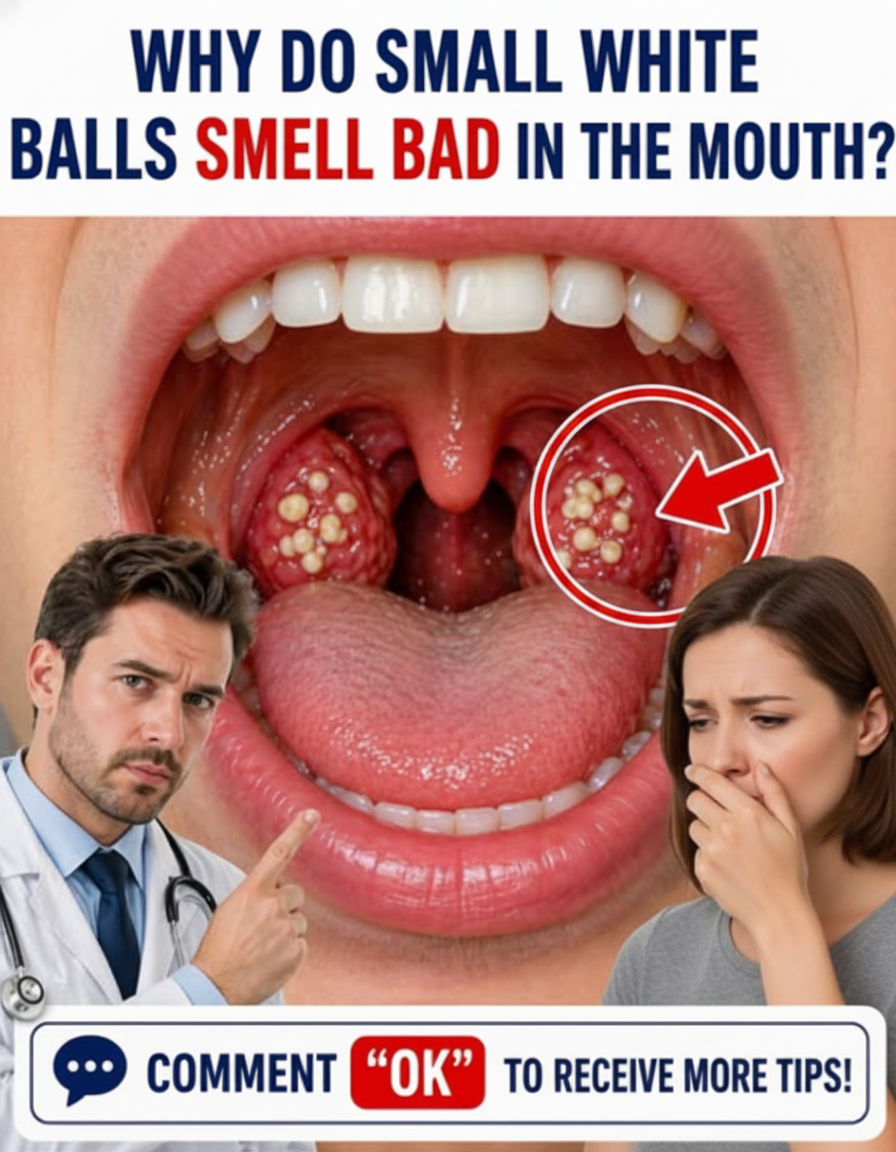
 Ever felt those tiny, hard, white or yellowish invaders lurking in your throat, bringing with them a smell so foul it could curdle milk – often like rotten eggs, stale cheese, or pure sulfur? Hold on tight, because we’re about to expose the culprits: tonsil stones! Also known as tonsilloliths or tonsillar calculi, these aren’t actual stones plucked from a riverbed. Oh no, these are calcified deposits, nasty little formations that get cozy inside the natural nooks and crannies (the crypts) of your tonsils, right at the back of your throat. Prepare to confront the enemy!
What Are These Gross Tonsil Stones REALLY Made Of?
So, what exactly is brewing in there to create these vile little pebbles? They form when a disgusting cocktail of stuff gets trapped in those tonsil crypts and hardens over time. It’s like a microscopic landfill in your mouth, folks:
- Dead skin cells & other mouth debris
- Leftover food particles from your last meal
- A thriving colony of bacteria & fungi
- Mucus, especially from post-nasal drip
- Calcium salts & various minerals from your very own saliva
Here’s where the stench truly kicks in: These sneaky bacteria get to work, breaking down all that trapped gunk. Their nasty byproduct? Foul-smelling sulfur compounds (the infamous volatile sulfur compounds or VSCs) that unleash that unmistakable rotten-egg or cheesy stench. It’s a bio-weapon, right there in your mouth!
Why Do These Nasty Things Keep Showing Up? (The Top Reasons Exposed!)
Why do some people seem to be a tonsil stone magnet while others skate by? It’s often down to a few common factors that create the perfect breeding ground for these stinky invaders. Let’s break down why your mouth might be rolling out the welcome mat:
- Deep tonsil crypts: Some unlucky folks just naturally have bigger or more pitted tonsils. Think of them as tiny caves, perfect for trapping all sorts of debris.
- Chronic tonsil inflammation: If you’re constantly battling frequent or even low-grade tonsillitis, your crypts get enlarged, becoming even better traps. It’s a vicious cycle!
- Post-nasal drip: That annoying excess mucus from your sinuses? It doesn’t just drip down your throat; it gets caught in those tonsil crypts, adding to the growing collection.
- Poor oral hygiene: This one’s a no-brainer. If bacteria and food particles are building up in your mouth, they’re definitely heading for your tonsils too, fueling the stone formation.
- Dry mouth (dehydration, mouth breathing, medications): Less saliva means less natural flushing action. Think of it like a clogged drain – everything just accumulates.
- Diet (dairy-heavy or high-sugar diets in some people): For some individuals, certain foods can crank up mucus production or give oral bacteria a feast, accelerating stone growth.
Beyond the Stink: Other Red Flags & Symptoms
While the horrific smell is usually the first giveaway, tonsil stones can cause other unsettling symptoms that scream for attention. Don’t ignore these warning signs:
- You might actually SEE visible white/yellow dots or bumps on your tonsils (grab a flashlight and say “ahhh” – if you dare!).
- You’ll suffer from persistent bad breath that laughs in the face of brushing, flossing, and even the strongest mouthwash.
- That annoying sensation of something constantly stuck in your throat, like a tiny pebble you can’t swallow.
- A mild sore throat or even ear pain – sometimes the pain refers from your tonsils.
- The truly disturbing experience of occasionally coughing up small, foul-smelling chunks. Yes, it’s as gross as it sounds.
Here’s the kicker: many people walk around totally oblivious, experiencing zero symptoms until they accidentally spot or smell these wretched things. Surprise!
Are These Nasty Tonsil Stones Dangerous? (Mostly… No. But Watch Out!)
Alright, deep breaths. For the vast majority of you, these tonsil stones are almost never dangerous. They’re benign, meaning they won’t give you cancer or lead to some terrifying, life-threatening infection. Phew!
However – and this is a big ‘however’ – if you let them get out of control, or if you’re constantly battling them, they can cause some serious headaches:
- Recurrent sore throats that just won’t quit.
- Bad breath so persistent it starts to torpedo your social life and confidence.
- In rare, truly unfortunate cases, they can even lead to a tonsillar abscess if an infection takes hold. Now that’s a problem!
Your Battle Plan: How to Fight Back & Banish Tonsil Stones Naturally
Don’t despair! You’ve got weapons in your arsenal to manage and dramatically reduce these uninvited guests. Here’s your game plan to reclaim a fresher mouth:
Daily Prevention Habits (Your Most Powerful Weapons!)
- Gargle with warm salt water: Mix ½ tsp salt in 250 ml warm water and gargle 2–3 times a day. This powerhouse move loosens debris and slaughters bacteria.
- Unleash the water flosser: Use a Waterpik on a low-pressure setting to gently flush out those tonsil crypts. It’s like a mini power-wash for your throat!
- Brush your tongue daily: Don’t just brush your teeth! Use a tongue scraper to banish bacteria from the back of your tongue, a common hideout.
- Stay hydrated: Guzzle 2.5–3 liters of water daily. Keep that saliva flowing to naturally flush away debris. Think of it as your internal river!
- Switch to alcohol-free mouthwash: Opt for types with essential oils or chlorhexidine. Alcohol can dry out your mouth, making things worse.
- Avoid dairy before bed: For some, dairy can ramp up mucus production. Try cutting it out before sleep to see if it helps.
Gentle Removal (If You See ‘Em & They’re Loose)
- Proceed with caution: If you spot a visible, loose stone, gently press around (NOT directly on) it with a clean cotton swab or a soft toothbrush. Many will pop right out with minimal effort.
- NEVER use sharp objects: Seriously, put down the toothpick or your fingernail! You risk injury, bleeding, or worse – a nasty infection. It’s not worth it!
When to Call in the Big Guns: See an ENT Doctor
While most tonsil stones are a DIY job, there are times when you absolutely need to bring in a professional. Don’t play hero if you experience any of these red flags:
- The stones are massive or causing you serious pain.
- You’re constantly battling sore throats or tonsillitis.
- Your bad breath is relentless, despite your best hygiene efforts.
- You have swollen tonsils accompanied by a fever.
- You’re struggling with difficulty swallowing or breathing.
In those rare, chronic, and truly stubborn cases, your doctor might even discuss a tonsillectomy (full tonsil removal) as a last resort. Don’t let it get to that point without professional advice!
The Bottom Line: Don’t Let These Stinky Invaders Win!
There you have it! Those smelly white “stones” are almost always harmless tonsil stones – just calcified crud chilling in your tonsil pockets. They love to form when you’ve got deep crypts, annoying post-nasal drip, a dry mouth, or if your oral hygiene isn’t quite up to snuff. But here’s the good news: most people can dramatically kick these things to the curb or eliminate them entirely with a consistent routine of salt gargles, staying hydrated, brushing that tongue, and giving those crypts a gentle flush. Take control of your breath and your oral health!
Quick Start Tonight: Your Immediate Action Plan!
Want to start fighting back RIGHT NOW? Here’s what you can do before your head hits the pillow:
- Gargle warm salt water for a solid 30–60 seconds before bed.
- Give your tongue a thorough, but gentle, brush.
- Chug a full glass of water.
- Tomorrow morning, in good lighting, say “ahhh” and check your tonsils in the mirror. You might be surprised!
Just one small hygiene habit can lead to fresher breath and cleaner tonsils. Trust us, many people wish they had known these simple tricks sooner. Don’t be one of them!
Disclaimer: Read This Before You Do Anything Crazy!
Listen up! This article is here to give you the lowdown and is for informational purposes only. It is NOT a substitute for professional medical or dental advice. If you’re dealing with persistent tonsil stones, frequent throat infections, struggling to swallow, or have any other concerning symptoms, you NEED to see a doctor or an ENT specialist. Tonsil stones can sometimes be a red flag for bigger underlying issues like chronic tonsillitis or a tonsillar abscess. And for the love of all that is holy, NEVER try to dig out large or deeply embedded stones yourself – you’re just asking for bleeding or a nasty infection. Personalized medical guidance is absolutely essential for your health. Remember, excellent oral hygiene and regular dental check-ups are the bedrock for keeping your tonsils and mouth healthy and happy. Stay smart, stay safe!
Share facebook Share on Facebook twitter Share on Twitter pinterest Share on Pinterest Share More More + linkedin Share on Linkedin vk Share on Vk reddit Share on Reddit tumblr Share on Tumblr viadeo Share on Viadeo buffer Share on Buffer pocket
Liked what you read? Don’t let your journey for a fresher, healthier mouth end here! Explore more of our expert tips and insights on oral health and beyond right here on our site. Your audience loves you, and we’re committed to bringing you top-quality, actionable advice!