 By admin
 Stuck in the 3 AM Club? Here’s Why Your Body’s Screaming at You to Wake Up!
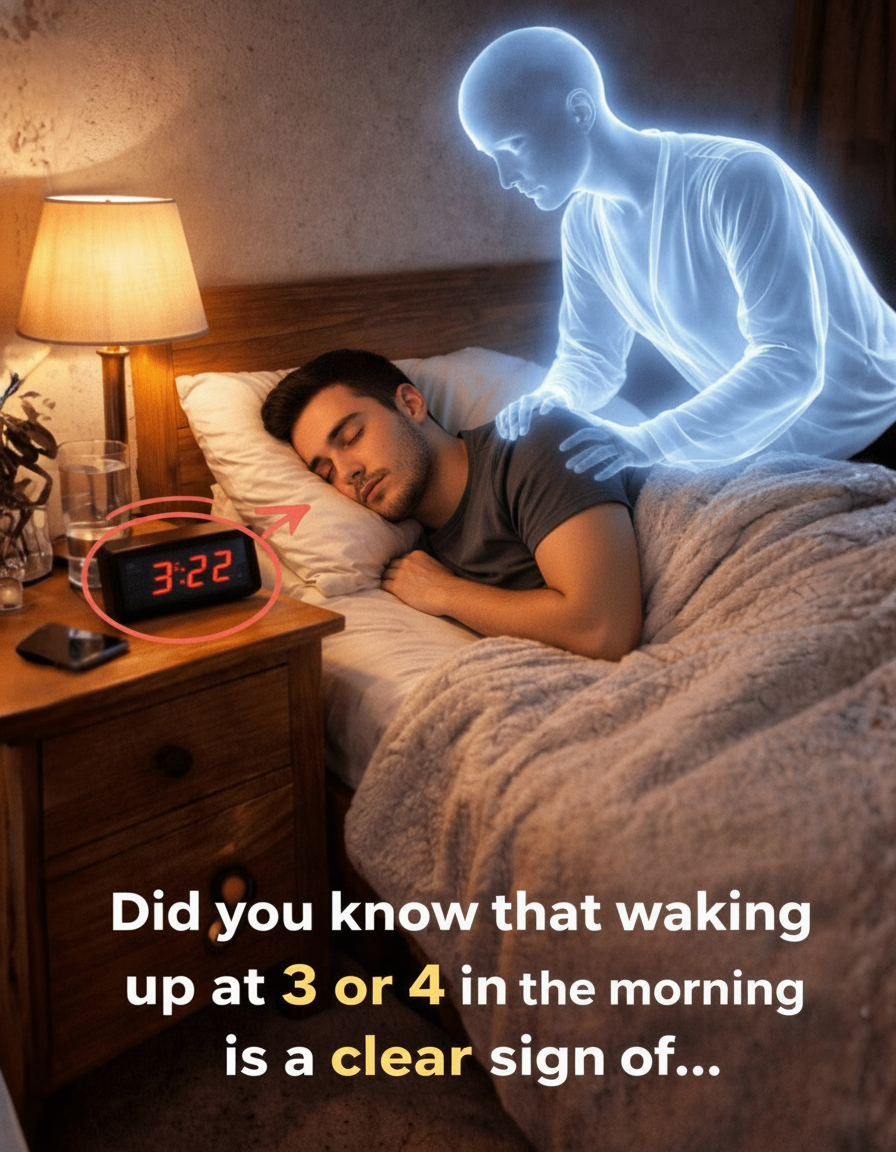
It’s the dead of night, and BAM! Your eyes pop open, that digital clock glaring 3:19 AM back at you. Feel that familiar gut-punch of frustration? Yeah, another night of solid, dream-filled sleep just slipped through your fingers, leaving you to face the day feeling like a zombie – drained, irritable, and ready to snap. These relentless early morning wake-ups don’t just mess with your mood; they tank your productivity and overall well-being, making even simple tasks feel like climbing Mount Everest. But what if these annoying interruptions aren’t just bad luck? What if your body is actually trying to send you a loud, clear signal about your daily grind or your stress levels? The good news is, by finally digging into *why* this keeps happening, you can fight back and reclaim your restful nights. And trust me, the most surprising piece of the puzzle is waiting for you at the end of this article.
The Science Behind Early Morning Awakenings
Listen up, because your sleep isn’t some straight, smooth ride. Nope. You cycle through different stages, roughly every 90 minutes, like a rollercoaster. Early in the night, you’re deep, deep in that restorative sleep – the kind that truly recharges you. But as the night wears on, especially around that cursed 3 or 4 AM mark (if you usually hit the hay around 10 or 11 PM), you shift into a lighter, more active REM sleep. This is prime dream-time, where your brain is buzzing, and guess what? That high activity makes it super easy for even the tiniest disturbance to yank you wide awake. But here’s where it gets really interesting, so pay attention.
Research isn’t just whispering; it’s shouting that your body’s natural hormone rhythms are playing a massive role in this midnight drama too. They’re not just bystanders; they’re active participants in your unwelcome wake-up call.
Why Cortisol Might Be Waking You Up
One of the biggest culprits? Cortisol, often dubbed the ‘stress hormone.’ According to the heavy-hitters in sleep science, like the experts at the Cleveland Clinic and the Sleep Foundation, your cortisol levels naturally start climbing between 2 and 4 AM. It’s part of your body’s internal clock, your circadian rhythm, gently nudging you towards wakefulness for the morning. This gradual rise is supposed to prepare you to feel alert and ready to seize the day.
However, if you’re constantly battling stress or anxiety – feeling overwhelmed, worried, or just plain strung out – that natural, gentle rise can feel less like a nudge and more like a sudden, jarring electric shock. Your mind, already on high alert, instantly starts racing with worries the second your eyes open, making the thought of falling back asleep feel utterly impossible. Studies are pretty clear on this: people swimming in higher stress levels are way more likely to notice and remember these unwelcome early awakenings. But that’s not the whole story, not by a long shot.
Oh no, it gets better (or worse, depending on how you look at it). Other sneaky factors love to team up with this cortisol surge, creating a perfect storm to absolutely demolish your precious rest. It’s a conspiracy against your sleep, folks.
Other Common Reasons for 3 or 4 AM Wake-Ups
Beyond the cortisol chaos, several lifestyle choices and underlying health issues can throw a wrench into your sleep cycle, leading to these specific early morning interruptions:
- Sleep Environment Disruptions: Even the smallest sliver of light from your phone, an alarm clock, or streetlights can trick your brain into thinking it’s time to rise and shine. Loud noises, a bedroom that feels like a sauna, or an old, lumpy mattress that’s seen better days can all pull you out of that precious light sleep.
- Evening Habits: That late-afternoon caffeine kick? That ‘one for the road’ nightcap? That monster meal right before bed? They’re all saboteurs. Alcohol, in particular, might knock you out fast, but as your body metabolizes it, it often bounces back with middle-of-the-night awakenings, leaving you feeling worse than before.
- Blood Sugar Fluctuations: If your dinner was a carb-heavy disaster or you haven’t eaten in hours, your blood sugar can take a nosedive overnight. This dip screams ’emergency!’ to your body, triggering a cortisol release to stabilize things, and yep, you guessed it – you’re wide awake.
- Bladder Issues or Other Discomforts: A full bladder is a classic culprit, especially as we get a little older and our pipes aren’t what they used to be. But it’s not just that; nagging pain from conditions like arthritis or the fiery burn of heartburn from GERD can easily snatch you from the sweet embrace of sleep.
- Aging and Hormonal Changes: Fact of life: as we age, our sleep generally gets lighter and more fragmented. For the ladies, those wild hormonal shifts during perimenopause can make these frustrating early awakenings an all-too-common occurrence.
Here’s a quick cheat sheet to help you pinpoint what might be the real villain in your sleep saga:
| Factor | How It Affects 3 AM Wake-Ups | Quick Check |
|---|---|---|
| Stress/Anxiety | Amplifies natural cortisol rise | Do you worry at night? |
| Caffeine/Alcohol | Disrupts deep sleep cycles | Last cup after 2 PM? |
| Room Conditions | Makes light sleep more fragile | Temperature above 68°F? |
| Blood Sugar Dips | Triggers hormone release | Skipped balanced dinner? |
| Sleep Environment | External noise or light interrupts REM | Phone screen glowing? |
The cold, hard truth is, a ton of people go through this without ever realizing how deeply connected it is to their daily grind and routines. It’s not just random; it’s a message.
Simple Changes That Can Make a Big Difference
Alright, stop panicking! The good news is you don’t need to completely overhaul your entire life to start seeing some real improvements. We’re talking practical, step-by-step tips you can literally start putting into action tonight. No excuses!
- Stick to a Consistent Sleep Schedule: This is non-negotiable, folks. Go to bed and wake up at the exact same time every single day, even on weekends. This isn’t just a suggestion; it’s how you train your body’s internal clock, your circadian rhythm, to expect sleep at predictable hours. Your body craves routine, so give it what it wants!
- Create a Relaxing Bedtime Routine: Seriously, dedicate the last hour before bed to truly winding down. Forget the screens – that blue light is a melatonin killer! Instead, try diving into a physical book, doing some gentle stretching, or practicing deep, calming breathing exercises. Make it a ritual, a signal to your body that it’s time to power down.
- Optimize Your Sleep Environment: Make your bedroom a fortress of sleep. Keep it dark – I mean *pitch black* – cool (think around 65-68°F or 18-20°C), and as quiet as a library. Banish all glowing screens, cover up any indicator lights, and make sure your mattress and pillows are actually comfortable. Your sleep sanctuary should be for sleep and intimacy only!
So, there you have it. No more guessing, no more frustration. You’ve got the lowdown on why you’re stuck in the 3 AM club and, more importantly, how to break free. Take these tips, reclaim your nights, and kick those early wake-ups to the curb for good! Want more insider info on living your best, most rested life? Dive into our other articles right here at [Your Website Name]! Sweet dreams, folks – you’ve earned ’em!