 By admin
 That ‘100% Cancer Cure’ Headline? It’s Probably Bullshit – And Here’s How to Sniff Out the Lies!
Just yesterday, I had a woman in my consultation room, phone in hand, looking like she wanted the floor to swallow her whole. She sheepishly admitted she’d actually paused her doctor’s recommended cancer treatment plan. Why? Because some flashy headline screamed about a medication promising a “100% success” against cancer. In that split second, that headline pumped her full of hope and relief, but let’s be real, it also shoved her into a reckless decision that could quietly mess up her long-term health. These hyped-up claims don’t just confuse you; they can make you drop your guard precisely when you need your wits about you the most. But hey, good news: there’s a dead-simple way to spot these bogus headlines before they ever get a chance to mess with your choices or your family’s well-being, and I’m gonna spill that easy detection trick right at the end of this post. So stick around!
Why “100%” in Health Headlines Can Pull the Wool Over Your Brain
When you see those magic words, “100% success” or “100% cure,” your brain immediately yells, “Total certainty! Done deal!” It feels like a warm hug, especially when you or someone you love is staring down a serious health monster like cancer. But here’s the cold, hard truth: in the actual world of medicine, absolute guarantees are rarer than a politician keeping all their promises. Health outcomes are a wild mix of personal factors, and no single headline can ever capture that kind of messy complexity. Period.
And that’s not even the whole scam. A lot of these headlines grab some super early, super limited research and then present it to you like it’s the finished, breakthrough miracle. The result? You, the reader, might get this immediate sense of “problem solved!” when the reality is far more twisted and nuanced than they’re letting on. Don’t get played.
What These Sensational Headlines Are REALLY Hiding From You
Alright, listen up, because this is the part most folks totally miss. Behind those bold, in-your-face promises, there are always a bunch of crucial details that conveniently get left out. It’s like they’re playing a bad hand of poker, keeping their cards close to their chest:
- Studies that involved only a handful of participants – seriously, like, five people.
- Early-stage or preliminary findings that still need a truckload of confirmation.
- Results that haven’t even been tested on large, diverse populations – so, basically, they just tried it on a few lab rats, maybe.
- Interpretations that stretch the actual data like a rubber band just to make maximum impact and get your click.
The truth is crystal clear, folks: that “100%” plastered in a headline rarely, if ever, matches the careful, slow, grueling reality of medical progress. Research consistently shows that even super promising early data has to survive multiple layers of brutal scrutiny before it even thinks about becoming standard care. So, don’t fall for the hype.
| Eye-Catching Claim | Medical Reality |
|---|---|
| Works for everyone | Depends on individual factors |
| Guaranteed result | Results vary widely |
| One simple solution | Requires personalized medical approach |
Understanding What “In Trials” Really Means (It’s Not What You Think!)
When a headline casually drops the phrase “in clinical trials,” what it’s actually screaming is, “Hey, dumbass, this work is still ongoing!” Trials don’t just waltz through distinct phases for kicks; there are some damn good reasons for it. Each stage is like a brutal elimination round:
- Phase 1: They’re mainly poking around to see if it’s safe and won’t kill you. Basic stuff.
- Phase 2: They start looking at how the substance actually behaves in the body – does it do anything useful?
- Phase 3: This is where they put it head-to-head with existing options, seeing if it’s actually better or just another dud.
- Phase 4: Once it’s out in the wild, they’re still watching like a hawk, monitoring its long-term effects on the general public.
And here’s the kicker, the most interesting (and depressing) part: only a tiny, tiny fraction of these hopeful candidates ever make it through every single stage successfully. That’s why jumping to conclusions from one sensational headline is a surefire way to create false expectations and set yourself up for a massive disappointment. Think before you click, people!
The Emotional Sucker Punch Behind These Headlines – And the Hidden Danger
Let’s be honest with each other. When health worries start gnawing at us, we all desperately crave clear answers and a quick fix. These headlines? They hit you right where it hurts, tapping directly into that very human, very vulnerable desire. They deliver instant hope, that sweet feeling that “it’s finally solved!” and a comforting sense of control, even if it’s totally fake. It’s an emotional high, a gut punch of false reassurance.
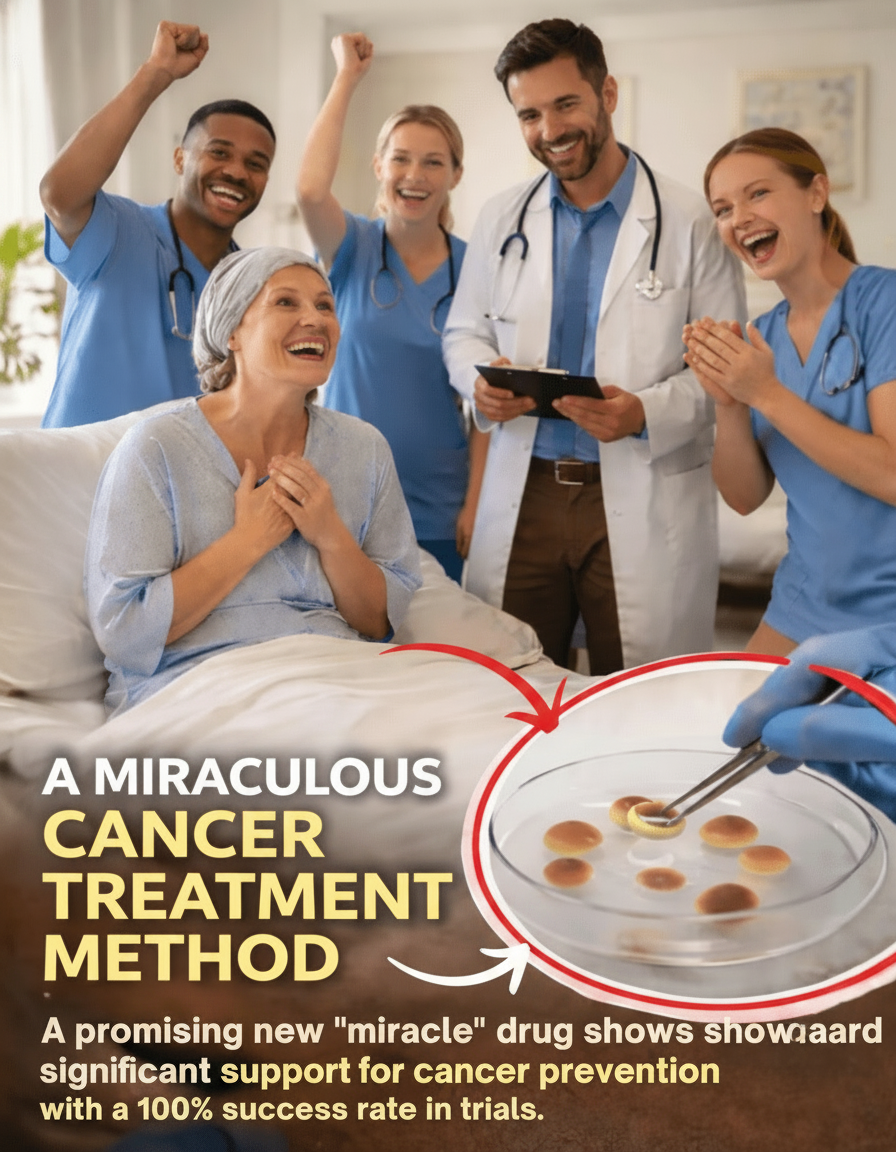
Yet, this emotional rush comes with a seriously real risk. Strong feelings can totally shut down your careful thinking. Before you know it, you might be tossing aside proven medical advice, sharing unverified garbage, or making huge health changes without even having a chat with your doctor first. Trust me, it happens way more often than most people realize, and it can quietly, insidiously steer people far, far away from the actual care they desperately need. Don’t let your emotions hijack your health.
Remember, Cancer Isn’t One Single Disease (It’s a Whole Damn Army!)
Here’s a crucial detail that almost all these clickbait headlines totally gloss over, like it’s no big deal. Cancer isn’t just one thing; it refers to a gazillion different conditions, each with its own nasty behavior, its own progression, and its own unique treatment demands. What might help one type could have zero, absolutely zero, effect on another. It’s like trying to fight a tank with a water pistol.
That’s precisely why a single, “universal” claim about a cancer cure almost always oversimplifies the science to a ridiculous degree. A personalized approach, guided by actual medical professionals who know their stuff, remains the most reliable, safest path forward. Don’t fall for the one-size-fits-all fairytale.
Quick Ways to Spot a Risky Headline Before You Click (Your Personal BS Detector)
You don’t need to be a medical genius to protect yourself and your loved ones from this garbage. Just keep these red-flag signals tattooed in your brain. They’re your personal BS detector:
- Dramatic, over-the-top words like “miracle,” “100%,” or “guaranteed” – seriously, if it sounds too good to be true, it probably is.
- Absolutely no mention of credible sources or peer-reviewed studies – they’re hiding something, trust me.
- Promises that sound way too universal or ridiculously simple for a complex issue like cancer.
- Headlines that conveniently skip important context like the study size or any limitations – because they don’t want you to know the full, often disappointing, story.
Before you even think about believing or, worse, sharing that sensational headline, ask yourself these three quick, crucial questions. It’s your last line of defense:
- Who the hell published this? Is it a reputable source or just some random blog?
- Does it actually reference real, legitimate research? Or is it just pulling facts out of thin air?
- Have actual medical experts, not just some dude in his basement, reviewed it?
Taking just a few seconds to do this quick check can make a monumental difference between staying informed and falling for dangerous misinformation. Be smart, be safe.
Easy Daily Habits to Shield Yourself from Health Misinformation
Alright, my friends, that’s the lowdown on those sneaky, dangerous “100% cure” headlines. It’s a jungle out there, but with a little street smarts, you can navigate it like a pro. Stay sharp, question everything, and always, always put your health in the hands of real experts, not clickbait. Your well-being is too precious to gamble on a flashy headline.
Want to dive deeper into protecting your health and spotting more misinformation? Keep exploring our site for more expert tips and no-nonsense advice. We’ve got your back!
”
}
“`