 By admin
 Is There a Better Way to Get Magnesium Than Pills? Exploring Natural Food Options
Listen up, folks! Feeling dragged down, muscles all knotted up, just generally off? Chances are, your body’s screaming for more magnesium, and let’s be real, who’s got time for perfect diets when life’s hitting hard with processed junk? This daily grind and reliance on ready-made meals often mean we’re just not getting enough of this vital mineral. But here’s the juicy secret: you don’t always need to pop another pill. Nope! Everyday foods are your ticket to feeling fantastic, naturally, without constantly reaching for those capsules. In this article, we’re about to spill the beans on why magnesium is your body’s best friend, dissecting those fancy magnesium glycinate supplements versus straight-up food power, and arming you with killer tips to boost your intake. Get ready for a shocker – one common kitchen hero is about to blow your mind with its natural magnesium punch and how ridiculously easy it is to use!
Why Magnesium Is Important for Everyday Wellness
Why should you even care about magnesium? Because this little mineral is a total powerhouse, running hundreds of your body’s essential operations – think energy bursts, smooth muscle moves, and your nerves firing just right. And guess what? A huge chunk of us are totally missing out! Research consistently shows that many adults fall short of the recommended intakes from food alone, with surveys indicating that nearly half of some age groups consume less than ideal amounts. No wonder you’re feeling like a zombie, cramping up, or can’t chill out when your levels are low! So, yeah, people reach for those supplements. But hold your horses, because this is where the plot thickens: not all sources of magnesium work the same way in the body.
Magnesium Glycinate Supplements: What You Need to Know
Alright, let’s talk about the supplement world, specifically magnesium glycinate. This bad boy is a crowd favorite, an ‘organic form’ that’s supposedly easier on your gut – no nasty tummy flips like some of its cousins. Studies suggest that organic forms like glycinate and citrate are pretty ‘bioavailable,’ meaning your body actually *uses* a good chunk of what you swallow. Pop a typical magnesium glycinate capsule, and you’re looking at around 500 mg or more per dose, with the elemental magnesium amount varying by product. People swear by its calming vibes, all thanks to that glycine buddy. But here’s the kicker, folks: those pills aren’t your *only* salvation! Smart cookies out there are eyeing food first, and for good reason. Whole foods aren’t just magnesium bombs; they come packed with fiber, antioxidants, and a whole crew of nutrients that *work together*. Plus, you sidestep that worry about overdoing it with high-dose supplements that can send your digestion into a tailspin, avoiding those upper limit concerns.
Why Consider Food Sources for Magnesium?
Now, prepare for your jaw to drop! This is the game-changer: Mother Nature’s pantry is *loaded* with meaningful amounts of magnesium, and your body is a genius at soaking it up from food in a perfectly balanced dance. Your kidneys are like the ultimate bouncers, kicking out any excess, so eating your magnesium is generally a super safe bet for most people. And the undisputed champion that often blows everyone’s minds? Unsweetened cocoa powder or cacao powder! Seriously, this humble kitchen staple is a freaking magnesium powerhouse, especially from the plant world. We’re talking hundreds of milligrams per 100 grams, depending on processing – a serious mineral punch! Forget that heavily processed, sugar-laden chocolate bar; plain cocoa powder retains high levels of minerals when not alkalized (Dutch-processed). Every research paper and nutrient database screams about its density, often alongside those amazing flavonoids. But hey, absorption isn’t just about the numbers on the label; the ‘food matrix’ can influence how well the body takes it in, and whole food approaches provide a variety of supportive nutrients that truly make a difference.
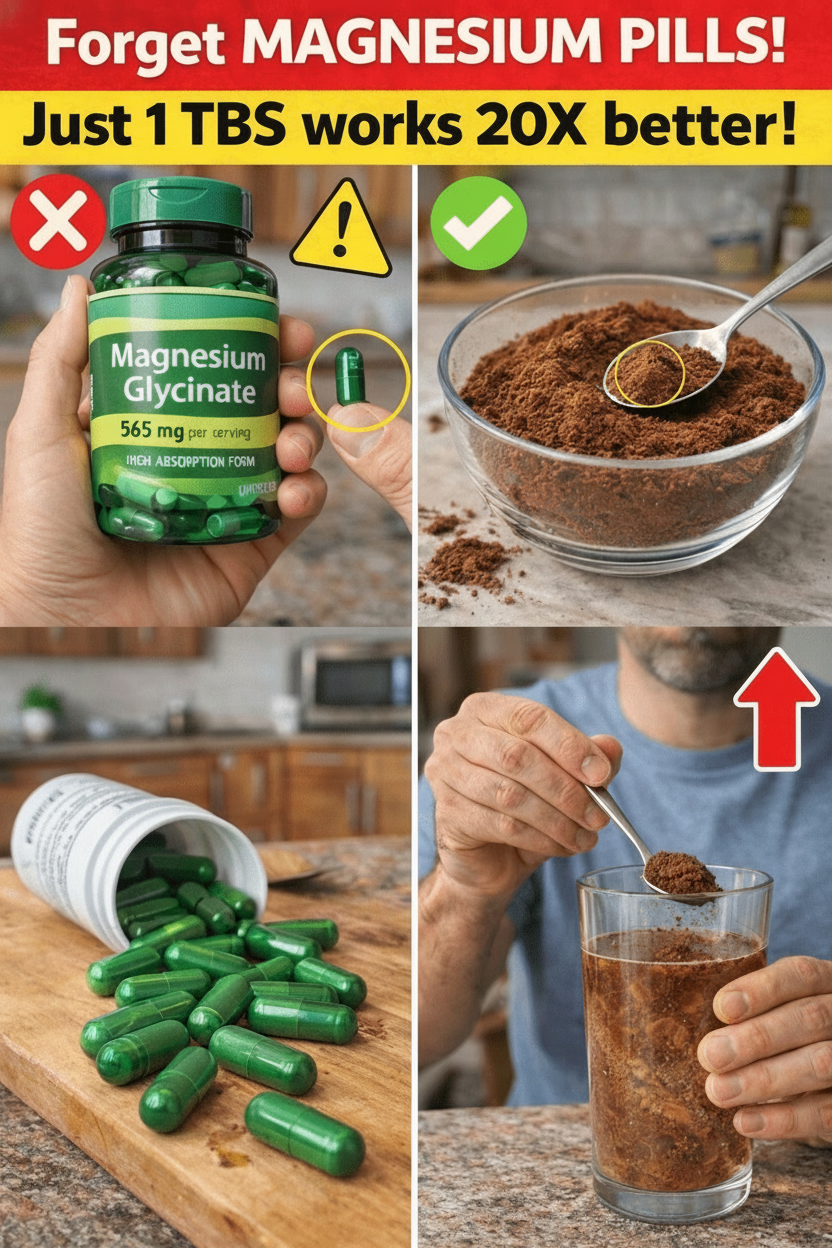
Comparing Magnesium Glycinate Supplements and Food Sources
Alright, let’s get down to brass tacks and compare these two contenders with a clear side-by-side look, shall we?
- Pill Popping (Magnesium Glycinate): Super convenient, yeah, just swallow and go. You often get a big hit of elemental magnesium per serving, and those organic forms boast good bioavailability. BUT, you gotta play detective and check labels for fillers. Some people experience no issues, while others just *can’t stand* ’em and prefer avoiding pills altogether.
- Food Power (Like Cocoa Powder): This is where it gets delicious! You get that natural taste, plus magnesium comes bundled with antioxidants and fiber – a whole nutritional party! One tablespoon can contribute a useful amount without feeling like medicine. Way easier for daily integration into meals or drinks, right?
While studies on bioavailability indicate that organic supplements like glycinate are well absorbed, whole food sources bring a *synergistic* game to the table. Think of it: the combination of nutrients in plant foods may support overall mineral balance, making them a powerhouse for your body. That’s why many nutrition experts shout it from the rooftops: prioritize food sources when possible, turning to supplements only if your dietary intake remains low after adjustments or under professional guidance.
The Simple Cocoa Powder Approach: A Practical Food Option
So, how do you actually *do* this? It’s ridiculously simple, and people are absolutely loving it: just start tossing unsweetened cocoa powder into your daily routine! It’s super versatile, won’t break the bank, and that rich, chocolatey kick makes healthy eating feel like a treat, not a chore. You’re welcome!
Feeling empowered to take charge of your wellness? We thought so! Don’t let magnesium deficiency drag you down another day. Explore the power of natural foods and feel the difference. For more game-changing health tips and insights, dive into other articles right here on our site!