 By admin
 Waking Up to Hell? Why Your Heel Hates Mornings & How to Kick That Pain to the Curb!
Ever wake up feeling like someone just jabbed a rusty nail into your heel? That sharp, aching torture right when your feet hit the floor, even if yesterday was a couch-potato marathon? Yeah, you’re not alone. That morning heel discomfort can turn your first steps into a painful battle, shadowing your entire day whether you’re just chilling at home or grinding at work. It messes with your comfort, your mood, everything. But here’s the straight talk: you don’t have to live with it. Getting a grip on why your heel hurts is the first step to kicking that pain to the curb. In this no-BS guide, we’re diving deep into practical, real-world ways to give your feet the support they crave and habits that’ll make a damn difference. Get ready to reclaim your mornings!
What Might Be Behind Morning Heel Discomfort
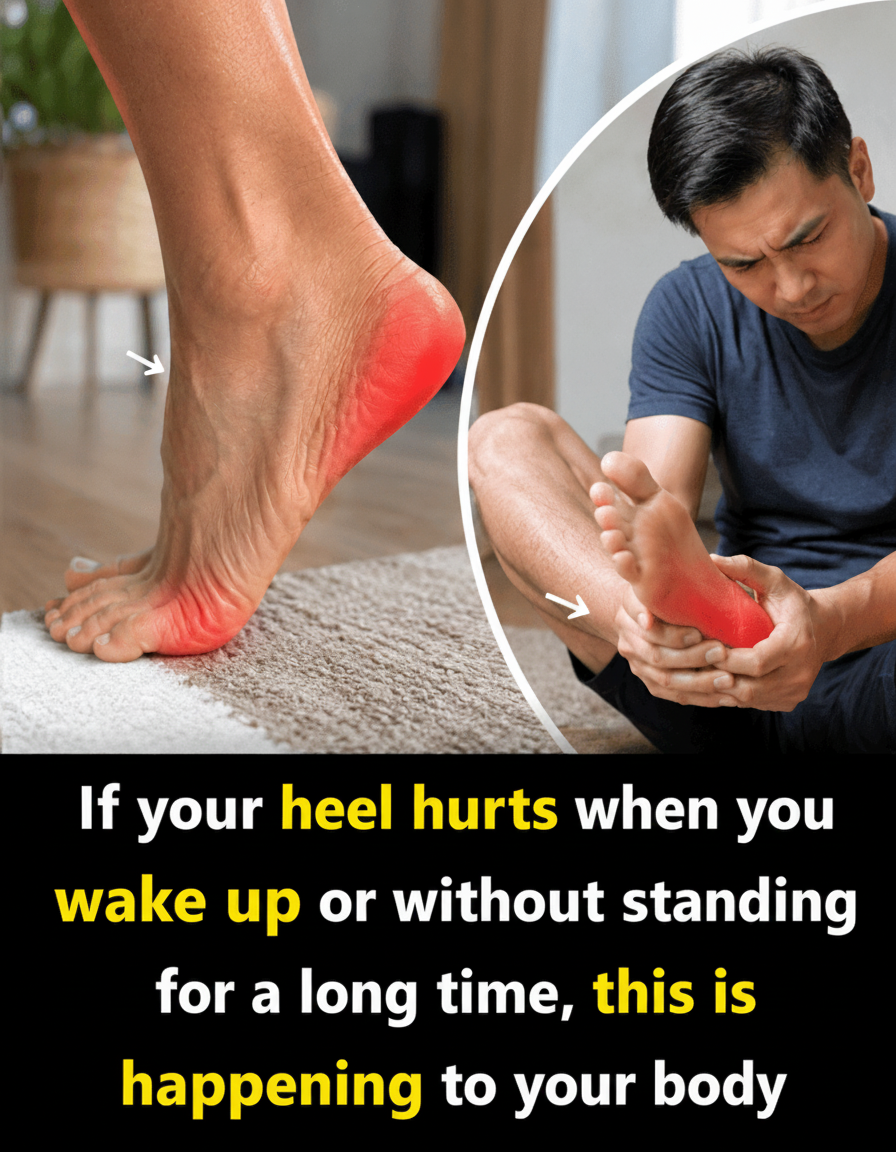
So, what’s the real deal with that morning heel pain? Often, it’s all about a thick band of tissue running along the bottom of your foot – your very own plantar fascia. This bad boy is supposed to support your arch, but after hours of chillin’ overnight, it can seize up tighter than a drum. The moment you slam your weight down on it, BAM! That’s the noticeable pull you feel. Health experts and research aren’t pulling punches either; they point to everyday activities, your choice of kicks, and even how your body moves as major players. Think about it: long stretches on concrete floors or rocking flimsy shoes without proper support? That’s just asking for trouble, piling on stress over time. But hold up, there’s more to this story than just that. Let’s peel back another layer and see the common culprits.
Common Signs and Everyday Triggers
Does this sound like your morning routine? That searing, sharp heel discomfort hitting you with the very first steps after you’ve been sacked out or parked on the sofa for a while? Then, like magic, it kinda eases up as you get moving during the day? And the tenderness? It’s usually hanging around the bottom of your heel, screaming for attention. What sets this off? Often, it’s tight calf muscles, sudden shifts in how active you are, or even packing on a few extra pounds that dump more pressure onto your feet. Many folks notice it flares up after hitting the pavement harder, standing longer, or sporting those killer (but often unsupportive) flat shoes. We’re talking about real-life stuff here, and health sources are constantly flagging these typical lifestyle factors:
- Grinding it out on unforgiving, hard floors for too long.
- Rocking shoes that are seriously lacking in cushioning or proper arch support.
- Skipping those crucial stretches, leaving your lower legs stiff as a board.
- Going from zero to hero with a sudden spike in physical activity.
Simple Daily Habits That Can Make a Difference
Here’s the empowering truth: loads of people conquer this beast by just focusing on gentle support and getting a bit more movement in. We’re not talking about some magic bullet here, but consistent habits that actually help your body adapt and get stronger. Wanna start winning? Begin with some gentle movement the second you wake up. Before you even think about standing, try some simple stretches while you’re still cozy in bed. Point your toes out gently, then pull them back towards your shin. This little warm-up is like a pre-game stretch for your tissues, getting them ready for the day’s grind.
Effective Stretching Ideas to Try
Stop making excuses and weave these easy routines into your day, a few times, every damn day:
- Calf stretch against a wall: Face a wall, step one foot back with your heel glued to the ground, and lean forward until you feel that sweet, gentle pull in the back of your leg. Hold it for 20-30 seconds, then switch sides. No slacking!
- Seated towel stretch: Sit down, extend your leg out, loop a towel around the ball of your foot, and gently pull it towards you. Feel that stretch? Good.
- Rolling massage: Grab a frozen water bottle or a trusty tennis ball. While seated, roll it slowly under your foot, from heel to toes. Aim for short, sharp sessions in the morning and evening. Your feet will thank you.
Studies on foot comfort aren’t just blowing smoke; they consistently highlight how crucial regular stretching is for keeping that flexibility alive and kicking. Don’t underestimate it.
Footwear and Support Choices Worth Considering
Let’s be real, your shoes aren’t just a fashion statement; they’re a huge player in your daily comfort game. When you’re on the hunt for new kicks, look for options that:
- Boast seriously cushioned soles.
- Have a moderate heel height – ditch the completely flat stuff.
- Offer some damn good arch support.
Many folks find instant relief by keeping a pair of supportive slippers or shoes right by the bed, ready to slip on the second they wake up. Over-the-counter orthotic inserts? They’re not just hype; they can dish out extra cushioning and alignment help when you need it most.
Pro tip: Seriously, avoid walking barefoot on hard floors, especially first thing in the morning. Your heels will scream at you.
Other Supportive Steps for Daily Relief
Beyond the basics, here are a few more heavy-hitters to add to your arsenal for daily relief:
- Ice application: Grab an ice pack or a frozen bottle and apply it to your heel area for 10-15 minutes, especially after you’ve been on your feet. This isn’t just a chill; it’s a soothing balm for that relentless discomfort.
- Rest and elevation: Don’t be a hero. Give your feet a break during the day and, whenever you can, kick them up high. Gravity is your friend here.
- Weight management: Let’s talk brass tacks. Keeping your weight in a comfortable range significantly reduces the relentless pressure on your feet over time. It’s a game-changer.
Here’s a quick-and-dirty comparison of simple tools many people swear by:
| Approach | How It Helps | When to Use |
|---|---|---|
| Night splint | Keeps gentle stretch overnight | While sleeping |
| Supportive shoes | Reduces impact with each step | All day, especially mornings |
| Ice rolling | Soothes and loosens tissue | Morning or after standing |
| Calf stretches | Improves flexibility | Before getting out of bed |
Building Better Long-Term Habits
Listen up: consistency trumps intensity every single time. You don’t need to go all-in from day one. Start small, add just one or two of these habits to your routine, and stick with it. Your feet—and your mornings—will thank you for it. Don’t let that nagging morning heel discomfort run your life. Take control, implement these tips, and walk away from pain!
Hey there, awesome reader! We hope this no-nonsense guide helps you finally conquer that morning heel pain. Your comfort is our mission, and we’re always here to dish out the real talk on staying healthy and pain-free. Don’t stop here – we’ve got a whole vault of killer content waiting for you to explore! Keep those feet happy and keep coming back for more expert insights!