 By admin
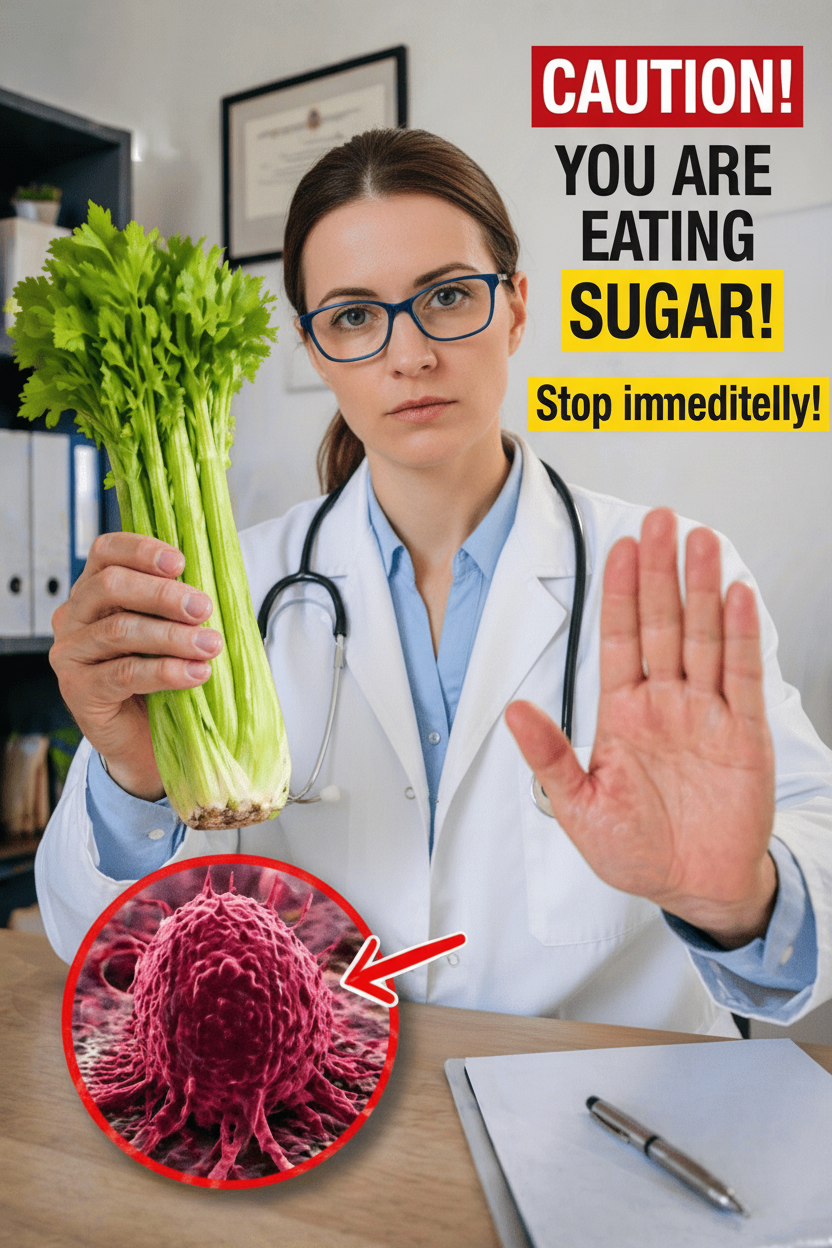
 Ever wonder if that snack you’re munching on is secretly plotting against your health? Let’s be real: in today’s crazy world, it’s natural to question how the grub we shovel down daily impacts our long-term health, especially when the big C-word—cancer—comes knocking. With headlines constantly screaming alarmist claims and even shocking pics suggesting something as innocent as celery could be a problem, it’s easy to feel a knot in your stomach about what’s on your plate. Are you unknowingly rolling the dice? Don’t sweat it! The good news is, by cutting through the BS and focusing on evidence-based choices from the real heavyweights like the World Health Organization and the American Cancer Society, you can take simple steps to save your own skin. But here’s the bombshell: the real surprise hits when you discover exactly which everyday items show the strongest links in the research… and how ridiculously easy it can be to swap them for satisfying alternatives that keep your meals enjoyable, not a chore.
Why Your Plate Isn’t Just Fuel: It’s a Cancer Battleground
Forget the myths, let’s get down to brass tacks: research consistently shows that what we eat plays a massive role in our overall health, including factors that can crank up your cancer risk over time. Listen up: no single food is a magic bullet that “causes” or “feeds” cancer on its own. But certain eating patterns? They’ve been linked to a higher risk in huge, serious studies. The big guns like the International Agency for Research on Cancer (IARC) classify some items based on rock-solid evidence from population studies. The game-changer? Moderation and smart swaps can make a real difference without turning your kitchen upside down. And here’s the mind-blowing part: the connections often come down to nasty compounds formed during processing, too many calories leading to unwanted weight gain, or chronic inflammation – all things YOU can influence with small, consistent changes. Ready to dive into the danger zone?
1. Processed Meats (Bacon, Sausages, Hot Dogs, and Deli Meats)
Prepare for a gut punch, because your favorite breakfast staple might be doing more than just satisfying your cravings. Processed meats top nearly every ‘avoid’ list from major health organizations because the IARC classifies them as a Group 1 carcinogen. Hold onto your hats: that’s the same terrifying category as tobacco and asbestos, based on strong evidence linking them directly to colorectal cancer. The real bad guys? Nitrates, nitrites, and other nasty compounds cooked up during curing, smoking, or fermentation. But wait – don’t freak out and ditch your weekend brunch plans forever! Studies show the risk shoots up with frequent, high-volume consumption, not the occasional slice you enjoy.
Healthier swaps to try right now:
- Choose fresh poultry, fish, or plant-based proteins like beans and lentils most days
- Opt for nitrate-free options only occasionally, and always in small portions
- Use herbs, spices, or smoked paprika for flavor instead of relying on cured meats
2. Red Meat (Beef, Pork, and Lamb)
Alright, meat lovers, listen up. This one might sting a little, but it’s important. The IARC classifies red meat as probably carcinogenic to humans (Group 2A). Not quite as bad as the Group 1 villains, but still a serious warning flag! Large reviews link higher intake – especially when you grill or char it at high temperatures – to an increased colorectal cancer risk. The culprits here? Heme iron and compounds formed during that delicious high-heat cooking. The American Cancer Society recommends keeping your red meat intake to no more than 18 ounces per week. Here’s where it gets interesting: you don’t have to eliminate it completely to lower your risk. It’s all about smart choices, not deprivation.
Simple ways to cut back without feeling deprived:
- Fill half your plate with vegetables and whole grains first
- Use red meat as a flavor booster in stir-fries or stews rather than the main event
- Experiment with mushrooms, eggplant, or cauliflower as hearty substitutes in burgers and tacos
3. Alcohol
Think your evening glass of wine is harmless? Think again, because this one hits hard. Brace yourself: Alcohol is another Group 1 carcinogen. No sugar-coating it. Even moderate drinking has been linked to a higher risk of breast, colorectal, liver, and esophageal cancers in extensive research. The hard truth? There is no known safe level for cancer risk reduction, even if many of us love an occasional drink to unwind. But here’s the real win: cutting back or choosing non-alcoholic versions delivers benefits way beyond just cancer risk – we’re talking better sleep, clearer skin, and a massive energy boost. Who wouldn’t want that?
Practical tips for mindful enjoyment:
- Alternate alcoholic drinks with sparkling water and lime
- Set a personal limit (many experts suggest no more than one drink per day for women and two for men, or none for risk reduction)
- Explore flavorful mocktails and non-alcoholic beers that taste remarkably close to the real thing
4. Sugary Drinks and Sweets
We all love a sweet treat, but what if that sugary delight is doing more than just expanding your waistline? Don’t fall for the myth that sugar directly “feeds” cancer cells any more than it feeds every other cell in your body. But here’s the real villain here: excessive intake of sugar massively contributes to weight gain, insulin resistance, and inflammation – all sneaky culprits linked to higher cancer risk in multiple studies. Ultra-processed sugary beverages and desserts are especially concerning because they’re addictive traps, making them way too easy to overconsume. Recent research on ult
That’s the lowdown on some serious food culprits, folks. It might sound heavy, but remember, every small, smart swap you make is a win for your health and your future. Keep exploring, keep questioning, and keep making those informed choices!
Want to dig deeper into keeping your body in top shape? Check out more of our no-nonsense guides on Healthy Life and Herbal Medicine right here on dogpjs.com. Your health is your wealth, and we’re here to help you protect it!