 By admin
 Your Go-To Foil? It’s Got a Secret – And It Could Bite You!
Alright, let’s be real. That shiny roll of aluminum foil in your kitchen? It’s practically a godsend, right? Keeps your pans sparkling clean, helps your grub cook evenly, and makes food storage quick and simple. But hold your horses. Doctors and safety experts are waving red flags, shouting about some crucial rules you’ve probably been ignoring whenever you use foil. We’re not trying to freak you out here, just trying to wake you up so you can cook smarter and dodge those sneaky problems nobody talks about.
Seriously, with just a few killer tips, you’ll keep your meals delicious and your home safe. No sweat.
Look, if you’re rocking your late forties, fifties, or sixties, you likely grew up thinking foil was your kitchen BFF – totally dependable. But guess what? Today, we know a ton more about how heat, moisture, and certain foods actually tango with aluminum. Use it like a pro, and that aluminum foil can be perfectly safe. Screw it up, and you’re staring down real hazards, including nasty foodborne illness, kitchen fires, and even pumping more aluminum into your body than you ever bargained for. This isn’t some scare tactic; this guide explains the simple, practical steps that make all the difference.
What the Heck Is Aluminum Foil, and How Does It Mess With Your Food?
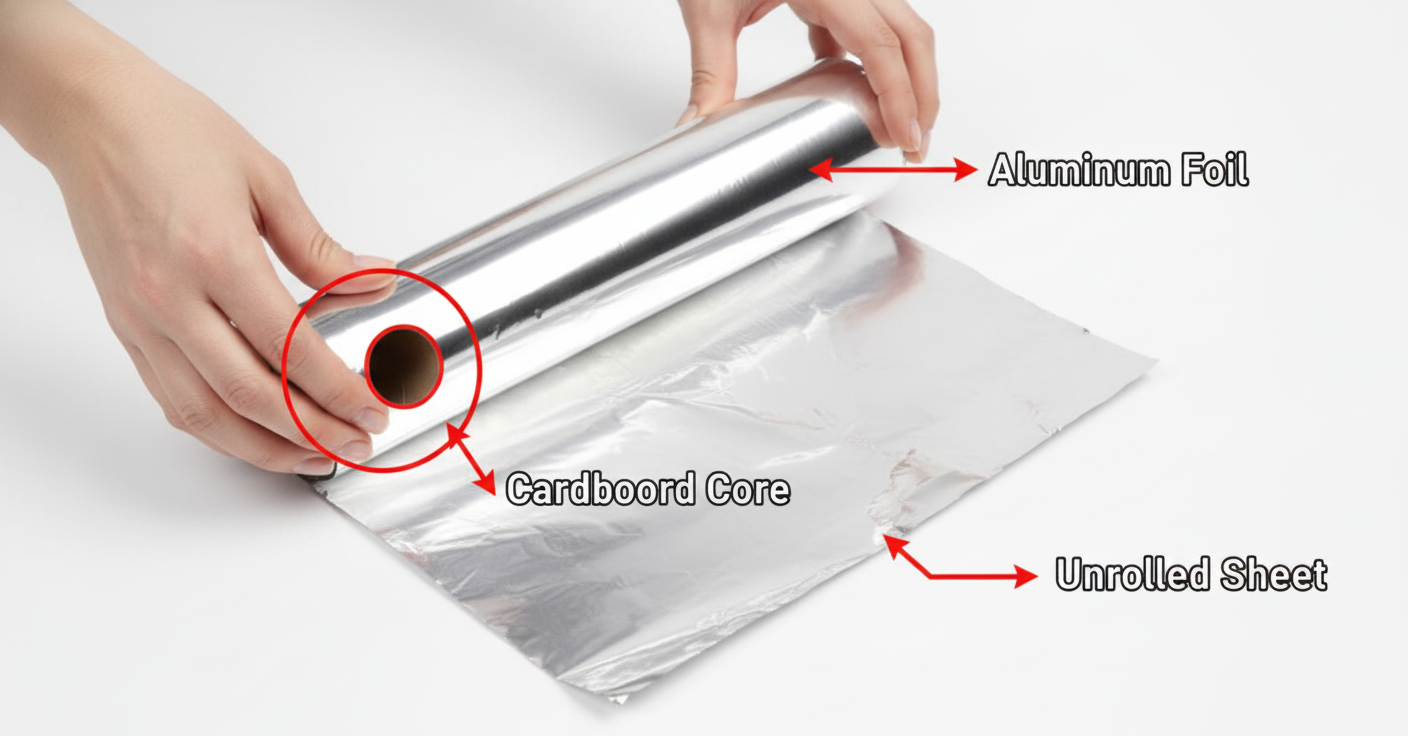
So, what exactly is this stuff? Aluminum foil is just super thin sheets of pure aluminum. And here’s the kicker: aluminum is everywhere. It’s the most common metal in the earth’s crust, and you’ll find small amounts naturally chilling in many foods, plus your treated drinking water. Most healthy adults? They digest and excrete this stuff without a hitch. The real concern isn’t your everyday contact, but those situations where *way more* aluminum than expected can leach directly into your food.
Want to know the culprits? Heat, salt, acid, and even just plain old time can each crank up how much aluminum jumps from that foil straight into your meal. You might have noticed it yourself: tomato sauce, lemon juice, vinegar, or those super salty marinades can leave behind grayish marks on your foil. That discoloration? It’s a flashing sign of a chemical reaction, folks. For instance, cooking a tomato-based dish, wrapped tight in foil, at high heat for a long time? That can seriously boost the aluminum content of your food way more than a quick, gentle use.
For most healthy adults, your body handles these small amounts like a champ, no biggie. Still, doesn’t it just make sense to cut down on unnecessary exposure when it’s easy? Especially if you’ve got kidney disease or other medical conditions that mess with how your body clears metals. Smart precautions also mean your meals keep their killer flavor and top-notch quality. Win-win!
When Your Trusty Foil Turns Into a Problem Child
Listen up! Certain combos of heat and ingredients can turn your beloved foil into a total no-go. Think acidic foods like tomatoes, citrus, pickles, and those zesty vinegar-based sauces. Add in super salty or heavily spiced grub, and you’ve got a recipe for reaction with foil, especially if you’re cranking up the oven above 400°F and cooking for ages. In these cases, ditch the direct contact! It’s way smarter to throw a layer of parchment paper between your food and the foil, or better yet, switch to glass, ceramic, or stainless steel cookware entirely. Don’t be a rookie!
And it’s not just cooking – extended contact during storage totally matters too. Wrapping a lemony chicken breast or marinated fish tight in foil overnight in the fridge? That’s practically *inviting* a chemical reaction, way more than a quick, gentle bake. If you’re a fan of marinating, do yourself a favor and use glass or food-safe plastic. Then, when it’s time to cook, use a pan or parchment with just a loose tent of foil if you want to nail that perfect browning. These small changes? They’re huge for keeping your food off the aluminum and slashing that aluminum leaching.
Now, here’s a serious one that most people totally overlook. We’re talking about a killer risk with certain foods. A classic example? Baked potatoes. If you leave a hot, foil-wrapped potato chilling at room temperature after cooking, that lack of oxygen trapped under the foil can become a breeding ground for dangerous bacteria. In rare, truly terrifying cases, this can lead to botulism – a life-threatening foodborne illness. The fix is stupid simple: eat those foil-wrapped potatoes pronto after cooking. Or, rip off the foil, let them breathe, and get them into the fridge *without* the foil as soon as they cool down. This one habit? It literally saves you from a rare but genuinely serious consequence. Don’t mess around!
What Doctors REALLY Say About Dementia and Aluminum – Myth Busted?
Okay, let’s clear the air. Many people have heard those scary rumors that using aluminum foil causes Alzheimer’s disease. Let me be blunt: current medical evidence simply *does not support* the idea that everyday cooking with foil leads to dementia. Decades of research have been digging for clear links, and while aluminum absolutely exists in our environment and in tiny amounts in our bodies, the ordinary use of foil in your kitchen has *not been proven* to cause Alzheimer’s disease. Period.
That said, being smart and avoiding unnecessary exposure is still a damn good idea. If you’re dealing with chronic kidney disease, on dialysis, or have been told your body holds onto metals easily, then for god’s sake, ask your healthcare provider about the best cookware and storage choices for *you*. For everyone else? The safest path is to use foil thoughtfully, especially around acidic foods and high heat, and just grab an alternative when it’s just as easy. Your health is worth it!
Smart Moves: Safe Ways to Cook with Foil in Your Oven
Listen, there are solid reasons to use foil in the oven, and guess what? You can totally do it safely. If you like to tent a roast to keep it moist, make sure to leave some space for steam to escape so condensation does not drip back and ca
Thanks for dropping by and getting the real scoop on aluminum foil safety! We know this stuff can be confusing, but your health is our top priority. Keep an eye on our blog for more crucial tips and tricks to keep your kitchen and your life running smoothly and safely. Don’t miss out on more vital info – keep reading, keep learning, and stay sharp!