 By admin
 Listen up, folks! Finding something weird with your breasts can send shivers down your spine, right? Most times, it’s just your hormones playing games, a little infection, or some harmless bump. But here’s the brutal truth: knowing the *real* early signs of breast cancer isn’t just smart, it’s a lifesaver. Catch it early, and you kick its butt way easier when treatment is most effective. Even the big guns like the American Cancer Society and Mayo Clinic will tell you, this sneaky disease often hides its face in the beginning. That’s why those regular check-ups – we’re talking mammograms – are your secret weapon, absolutely vital! While there are more than just four warning signs out there, these are the *big four* that scream ‘Get to a doctor, NOW!’ if they pop up and won’t quit. Don’t you dare ignore them!
1. A New Lump or Thickening in the Breast or Underarm
This is the granddaddy of all early signs, the one everyone talks about. Often, it’s a sneaky, painless, hard lump with jagged edges, though sometimes it might be soft or even a bit tender. Look, most lumps turn out to be nothing serious – just cysts or harmless growths. But if you find a new one, anywhere in your breast or underarm, you better believe it needs to be checked out. No excuses!
2. Changes in Breast Size, Shape, or Skin Texture
Your breasts are like your body’s unique fingerprint, so pay attention! We’re talking about unexplained swelling, that weird dimpling that looks like an orange peel, angry redness, or the skin puckering up. This isn’t just a cosmetic issue; these could be red flags for inflammatory breast cancer, a rare but seriously aggressive type. Don’t wait around wondering, get it seen!
3. Nipple Changes or Discharge
Your nipples usually mind their own business, so if they start acting out, it’s a major warning. Is one turning inward when it never did before (inversion)? Is the skin around it scaling, flaking, or looking generally off? And hold on – any weird discharge, especially if it’s bloody or just from one side? Clear or bloody fluid is way more concerning than a milky drip. This isn’t normal, and you need answers!
4. Persistent Breast or Nipple Pain
Okay, so pain isn’t usually the first thing that screams ‘breast cancer’ in the early stages, since this disease often starts silently. But don’t you dare dismiss ongoing, unexplained pain in your breast or nipple. While it’s uncommon as an *early* sign, any persistent discomfort that won’t go away is your body telling you something’s not right. Listen to it!
| Sign | Why It Matters | Common Benign Causes |
|---|---|---|
| New Lump/Thickening | Most frequent symptom | Cysts, fibroadenomas |
| Skin Changes (Dimpling/Redness) | May indicate inflammatory type | Infection, rash |
| Nipple Discharge/Inversion | Unusual fluid or shape change | Hormonal, duct issues |
| Persistent Pain | Rare early but worth checking | Injury, infection |
What to Do If You Notice Changes
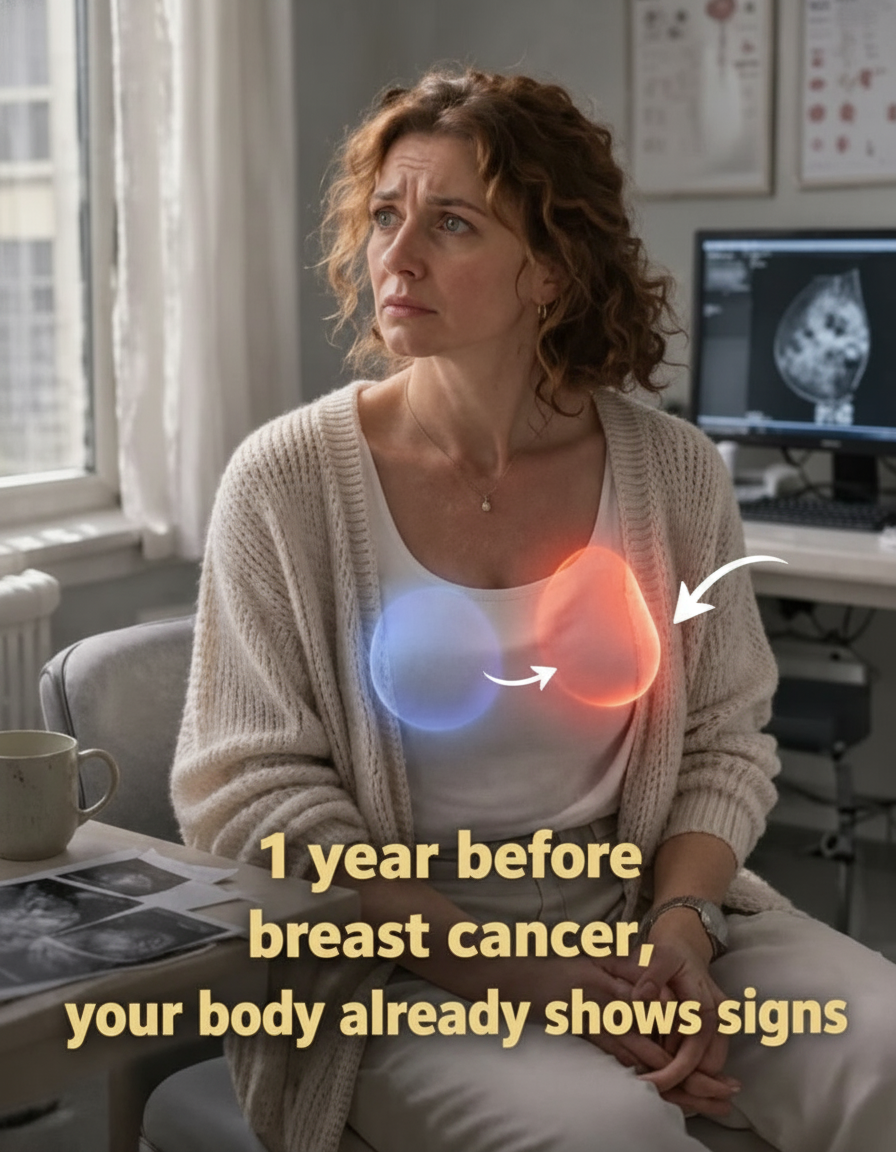
Alright, so you’ve spotted something. Don’t panic, but don’t sit on your hands either! First, make monthly breast self-awareness a habit – know what your ‘normal’ feels like. Then, get off the couch and schedule a clinical exam or, if you’re due, a mammogram. The bottom line? See a doctor promptly! Early detection isn’t just a slogan; it literally saves lives. Most changes turn out to be nothing serious, but getting it checked gives you that priceless peace of mind. Your health isn’t worth gambling with!
Conclusion: Awareness and Screening Are Key
So there you have it: these four early signs – a new lump, weird skin or nipple changes, any discharge, or that lingering pain – are crucial to recognize. But remember, a lot of breast cancers are found by screening *before* you even feel a thing. Stay proactive, stay sharp! Get those regular mammograms (start asking around age 40-45, depending on guidelines) and, most importantly, know your body like the back of your hand. It’s your greatest asset!
FAQ
Is a lump always cancer? Absolutely not! Most lumps are totally harmless, but every single new lump demands a professional check-up. Don’t guess, get it assessed!
How often should I self-check? Focus on monthly ‘breast self-awareness’ – get familiar with your own normal. Formal, structured self-exams aren’t universally recommended by all guidelines anymore, but knowing your body is always in style.
What are the main risk factors? Your age, family history, and having dense breasts are big ones. Don’t keep it a secret; chat with your doctor about your personal risk profile.
Disclaimer: Listen, this article is here to give you the lowdown and get you thinking, but it’s NOT medical advice. Breast changes can come from a million different things, so if you notice anything, you need to consult a healthcare professional pronto for a proper evaluation. Early detection through staying aware and getting screened is absolutely essential. Everyone’s journey is different, so listen to your body and your doctor!
So there you have it, straight talk from your friend here. Don’t play games with your health; your body is talking, are you listening? We’ve got tons more vital info waiting for you. Dive into our other articles and keep yourself sharp. You deserve to live your best, healthiest life, and we’re here to help you do it!