 By admin
 You slice into what *should* be a picture-perfect boiled egg, ready for that satisfying, creamy yellow yolk. But then, BAM! You’re slapped with an unexpected, ugly greenish-gray ring hugging the yolk like a bad ex. Your heart sinks a little, right? That sudden discoloration can stop you mid-bite, making you wonder if you just messed up big time or if that egg is actually trying to poison you. It looks totally unappetizing, raises all sorts of questions about freshness, and leaves you second-guessing if it’s even good enough to enjoy. But hold up, buttercup! The good news? This common kitchen surprise is way less alarming than it looks. Understanding exactly why it happens will be a game-changer and could change how you cook eggs forever. So, keep reading, because the simple fix that prevents this nightmare *every single time* might just become your new favorite kitchen hack. Trust us, your tastebuds (and your Instagram feed) will thank you!
What Exactly Causes That Green Ring in Boiled Eggs?
Alright, let’s get down to brass tacks. That pesky green ring you sometimes see? It’s not some alien goo, and it’s definitely not a sign of spoilage. It’s the result of a completely natural chemical reaction between two elements already chilling inside your egg. We’re talking about sulfur compounds in the egg white meeting up with iron in the yolk. These two troublemakers get together when heat is applied for too long or at too high a temperature. This little interaction creates a harmless compound called ferrous sulfide, which then shows up as that distinctive, less-than-charming gray-green halo right where the white and yolk touch. It’s chemistry, baby!
Listen up, because here’s where it gets interesting: nutrition experts spill the tea, explaining that this reaction becomes even more noticeable in eggs that are past their peak freshness or when they’re just plain overcooked. Older eggs have a slightly different pH level, making the sulfur and iron more eager to react once that heat kicks in. Crank up the cooking temperatures too high, and you speed everything up. Then, if you let those eggs cool slowly afterward, you’re giving the reaction even more time to develop. It’s the same reason why seriously overcooked eggs can sometimes smell a bit sulfurous – the chemistry is simply doing its job! But here’s the part most people miss, and it’s crucial: this green ring has absolutely *nothing* to do with spoilage, bacteria, or anything dangerous. Zip, zero, nada. It’s purely a visual side effect of how the egg was handled during boiling. So, breathe easy!
Is It Safe to Eat Eggs With a Green Ring?
Let’s cut to the chase: Yes, boiled eggs with a green ring around the yolk are perfectly, 100% safe to eat. Seriously, chill out! The discoloration itself is not toxic, does not mess with the nutritional value in any meaningful way, and is NOT a signal that the egg has gone bad. Food scientists, those smarty-pants in labs, have confirmed time and again that ferrous sulfide is a stable, non-harmful compound that forms under specific heat conditions. So, go ahead, dig in without a second thought!
Now, while it won’t hurt you, we’re not gonna lie. The only real downside is purely cosmetic. That ring can make your gorgeous deviled eggs or creamy egg salad look a little less appealing on the plate. We get it, nobody wants a green-tinged yolk photo for the ‘gram. In some cases, serious overcooking may also leave the egg white a little rubbery (texture nightmare!) and the yolk slightly drier or even crumbly. But here’s the kicker: the protein, those vital vitamins, and the healthy fats that make eggs such a nutritional powerhouse remain totally intact and ready to fuel your day. So, even if it looks a bit off, it’s still a nutritional superstar!
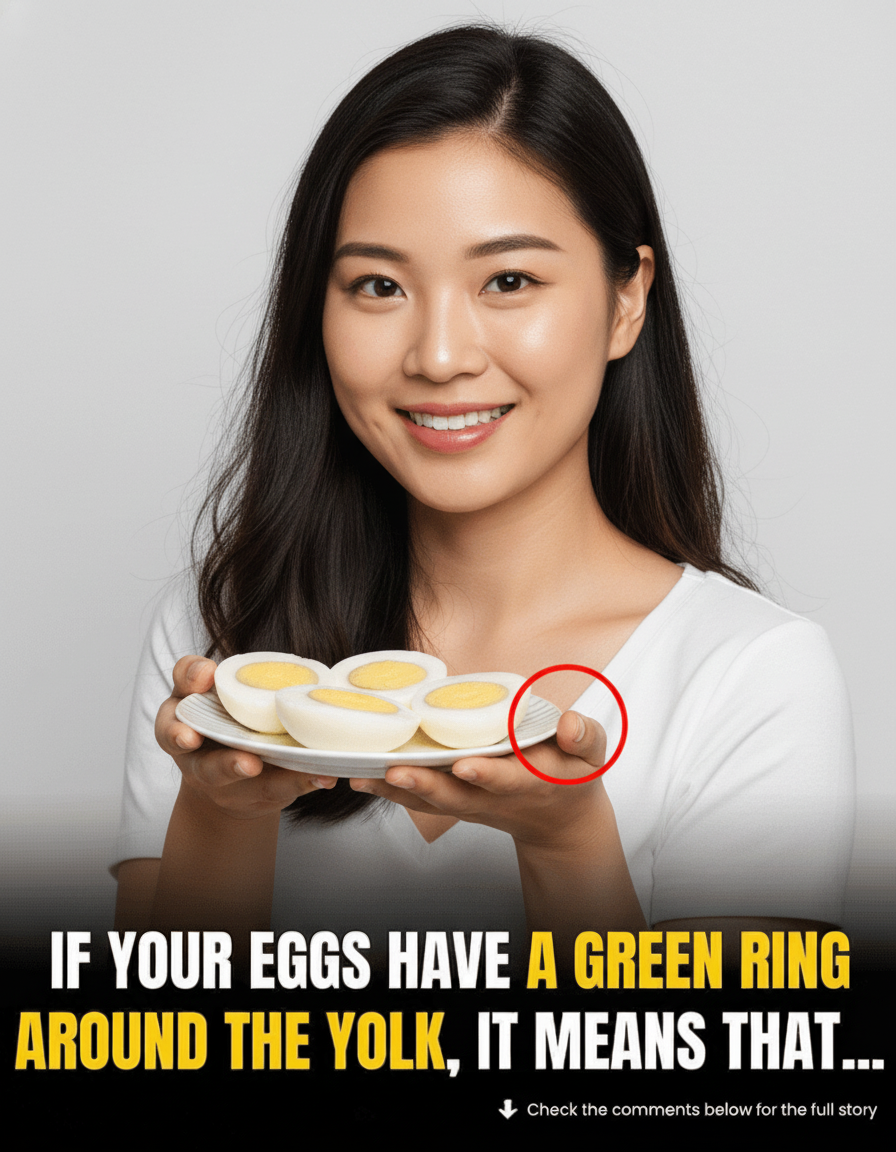
- Appearance: Unattractive gray-green halo (purely cosmetic, folks!)
- Safety: Completely safe—no bacteria, no contamination involved, period.
- Taste & Texture: Usually unchanged; extreme overcooking *might* add a mild sulfur note and rubbery texture.
- Nutrition: No loss of protein, choline, or other key nutrients. Your body still gets the good stuff!
- Freshness indicator: Often points to longer cooking time or, yep, older eggs.
Why Some Eggs Develop the Green Ring More Often
Ever wonder why *your* batch of boiled eggs looks like a science experiment while your buddy’s are pristine? Not every batch ends up with that infamous green ring, which is exactly why it feels so darn random. But it’s not! Several everyday factors are stacking the odds against you if you’re not paying attention. For starters, older eggs that have been sitting in your fridge for weeks have naturally higher pH levels, making that sulfur-iron reaction more likely once heat is introduced. Next up, eggs boiled at a rolling, violent boil instead of a gentle simmer experience more intense heat that pushes the reaction forward like a freight train. And the biggest culprit of them all? Letting those eggs sit in hot water after they’re done cooking instead of shocking them in ice water right away. That residual heat keeps the chemistry party going, even after you turn off the stove. It’s like leaving the oven on after the cake is baked – a recipe for disaster!
Research from actual food technology institutes confirms it: eggs cooked beyond the ideal time—especially hard-boiled ones left to cool slowly—display the green ring far more frequently. So, it’s not a flaw in the egg itself; don’t blame the chicken! It’s simply a loud and clear sign that your cooking method could use a small, but mighty, upgrade. Time to level up your egg game!
The Best Way to Boil Eggs and Prevent the Green Ring
Want eggs that look as good as they taste? Eggs that are Instagram-ready and delicious? Then listen up and follow this straightforward method that professional chefs and home cooks alike swear by. This technique takes only a couple of extra minutes, but trust us, it delivers consistent, picture-perfect results every single time. Say goodbye to that ugly green ring forever! Here’s the exact step-by-step process:
- Start with eggs that are as fresh as humanly possible—always check that carton date if you can. Fresh eggs are your first line of defense!
- Gently place your eggs in a single layer in a saucepan. Don’t crowd ’em! Then, cover them with cold water by about one inch.
- Bring the water to a gentle, not raging, boil over medium heat. As soon as it hits that gentle boil, immediately reduce the heat to a low simmer. We’re not trying to launch a rocket here, just cook an egg!
- Set a timer: For soft, jammy yolks, aim for 6–7 minutes. For firm, perfectly cooked hard-boiled eggs with a bright yellow center, go for 9–10 minutes. Once the timer dings, it’s go-time for the next crucial step!