 By admin
 You brush your teeth twice a day, floss like a dental pro, and yet, that nasty, unpleasant odor still haunts your mouth all day long. Talk about embarrassing! It’s beyond frustrating, especially when you’re trying to charm someone up close or just have a normal conversation without feeling like you need a hazmat suit for your breath. Many folks out there are fighting a losing battle with persistent bad breath, even with top-notch oral hygiene, completely clueless that the real enemy is hiding in plain sight – or rather, deep in your throat.
What if I told you the true culprit isn’t your teeth at all, but small, stinky deposits chilling in your tonsils? Brace yourself, because the shocking truth – and what you can actually do about it – is about to blow your mind and change how you tackle those daily breath woes. Keep reading, because this is going to get real!
Understanding Tonsil Stones: What They Really Are
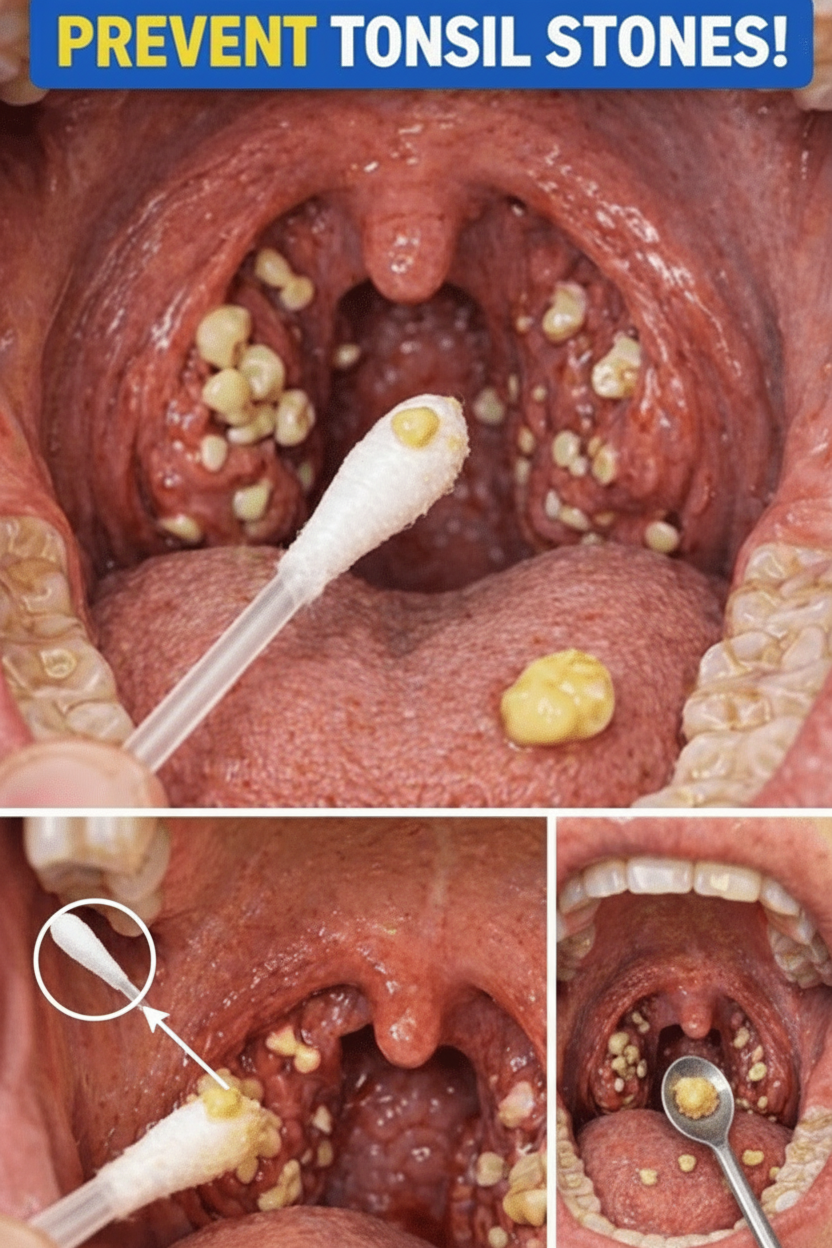
Alright, let’s get down to brass tacks. Tonsil stones, or as the pros call them, tonsilloliths, are basically tiny, hardened little clumps of pure nastiness that decide to set up shop in the natural nooks and crannies of your tonsils. These little hideouts, known as crypts, are perfect traps for bacteria, dead cells, mucus, and even tiny food particles. Over time, all that gunk piles up, hardens, and calcifies, turning into those small, often yellowish lumps you might occasionally spot or feel lurking at the back of your throat.
Here’s the kicker: unlike a cavity that screams for attention, these little monsters often go unnoticed at first. Many people only discover they’ve been hosting a tonsil stone party when they cough up a small, utterly foul-smelling particle – seriously, the smell can be something else! – or get that weird, annoying sensation like there’s something stuck in their throat.
Why Do Tonsil Stones Form in the First Place?
Think of your tonsils as your body’s frontline bouncers, catching all the nasty bacteria and viruses before they crash your internal party. But sometimes, this protective gig backfires spectacularly. The irregular, pocket-like surfaces of your tonsils are practically begging for debris to get trapped, especially if you’ve got bigger or more pronounced crypts – basically, deeper caves for the gunk to hide in.
So, what makes these little stink bombs tick and more likely to form? Check out these common triggers:
- Frequent bouts of tonsil inflammation or infections – like your tonsils are just asking for trouble.
- Slacking on your oral hygiene, allowing more bacteria to build up and throw a party.
- Chronic post-nasal drip from allergies or sinus issues, basically a constant flow of mucus that feeds the beast.
- Diets loaded with dairy or sugary foods, which can contribute to even more mucus and debris – thanks, cheese!
But wait, there’s more! Even if you’re a brushing and flossing champion, scrubbing your teeth like your life depends on it, you can still get these stones. It’s often just how your tonsils are naturally built, making it easier for material to get trapped. Sometimes, it’s just bad luck and biology!
The Surprising Link Between Tonsil Stones and Persistent Bad Breath
Alright, hold onto your hats, because this is the part that usually makes people gasp: the bacteria that get trapped and fester inside these tonsil stones are little factories churning out volatile sulfur compounds. Sound fancy? It’s not. These are the EXACT same gases that give rotten eggs their infamous smell! And guess what? These compounds are unleashed directly into your mouth and throat, often completely sidestepping your diligent brushing and mouthwash routines.
Scientific research isn’t pulling any punches either, confirming that tonsil stones are a common, but criminally underrecognized, contributor to chronic halitosis (yep, that’s fancy talk for persistent bad breath). Because these sneaky stones are buried deep in those tonsil crypts, your standard oral care simply can’t reach them. Now you know why your breath keeps smelling like a dumpster fire, no matter how much you scrub, rinse, and gargle!
Common Signs You Might Have Tonsil Stones
So, are you wondering if those mysterious yellowish lumps are secretly ruining your social life? It’s time for a self-check! Keep an eye out for these tell-tale signs that scream “Tonsil Stones!”:
- That persistent bad breath that just won’t quit, even after brushing or using mouthwash – seriously, it’s like a clingy ex.
- A weird metallic or just plain foul taste in your mouth, especially when you first wake up – morning breath on steroids!
- That annoying sensation like something is perpetually caught in the back of your throat, making you constantly swallow.
- Actually seeing visible white or yellow spots chilling on or around your tonsils – a clear sign you’ve got company.
- Occasional ear pain or discomfort, even when there’s no obvious ear infection – a sneaky referred pain.
- Swollen or irritated tonsils that feel a bit tender to the touch – they’re not happy campers.
If you’re nodding along to several of these, congratulations! Those tonsil stones might be playing a much bigger, smellier role in your life than you ever dared to imagine. It’s time to face the music!
Simple At-Home Ways to Manage Tonsil Stones Safely
Okay, enough with the gross-out factor! While you can’t always completely prevent these little troublemakers from forming, there are some gentle, smart steps you can take right at home to cut down on their formation and even help dislodge smaller ones. Here’s your battle plan against these tiny terrors:
- Hydrate, Hydrate, Hydrate! Guzzle water all day long. Staying well-hydrated helps flush out debris and keeps your mouth from becoming a dry, sticky breeding ground for bacteria.
- Gargle Like a Pro: After meals, do a gentle gargle with warm salt water. This simple trick helps loosen any trapped particles, making it harder for stones to form.
- Gentle Probing (Be CAREFUL!): If you can actually see a stone peeking out, you can *very carefully* try to dislodge it with a soft toothbrush or a cotton swab at the edge of your tonsils. I repeat: NEVER force it, poke deeply, or use anything sharp! You’re not a surgeon!
- Water Flosser Wizardry: Consider using a water flosser on a low setting. Aim it gently towards the tonsil area – the soft stream can sometimes help flush out debris without causing irritation.
- Oral Hygiene, On Point: Keep up your consistent oral hygiene routine, and don’t forget to brush your tongue! That’s another prime spot where bacteria love to accumulate.
Remember, these steps are all about supporting better overall oral and throat hygiene, not a magic bullet promising complete, instant removal. It’s about fighting the good fight and keeping those tonsil stones in check!
When to Consider Professional Help
Sometimes, these tonsil stones become more than just an annoyance; they get frequent, bothersome, or just plain painful. If you’re constantly battling these little punks, or they’re causing significant discomfort, don’t be a hero. It’s time to call in the big guns. Speaking with a healthcare provider or an ENT (Ear, Nose, and Throat) specialist can provide a proper diagnosis, explore more advanced treatment options, and help you finally get some real relief.
Thanks for diving deep into the world of tonsil stones with us! We hope this no-holds-barred guide empowers you to tackle those pesky lumps and finally reclaim your fresh breath. For more jaw-dropping health insights and tips that actually work, make sure to explore other amazing articles on dogpjs.com!