 By admin
 Alright, parents, let’s get real for a second. You know that gut-wrenching feeling when your kid starts scratching like crazy, tossing and turning the moment their head hits the pillow? That relentless itch that just gets worse as the night drags on? It’s a total nightmare, leaving everyone in the house cranky, exhausted, and frankly, worried sick. What looks like just a ‘skin thing’ might actually be a super common, sneaky little problem hiding in plain sight in homes with little ones. But here’s the kicker, the one detail most families totally miss: there’s a wild, undeniable pattern to this nighttime itching. And once you crack that code, you’ll uncover simple moves to finally bring some damn peace back to your nights.
What Causes Nighttime Itching in Children
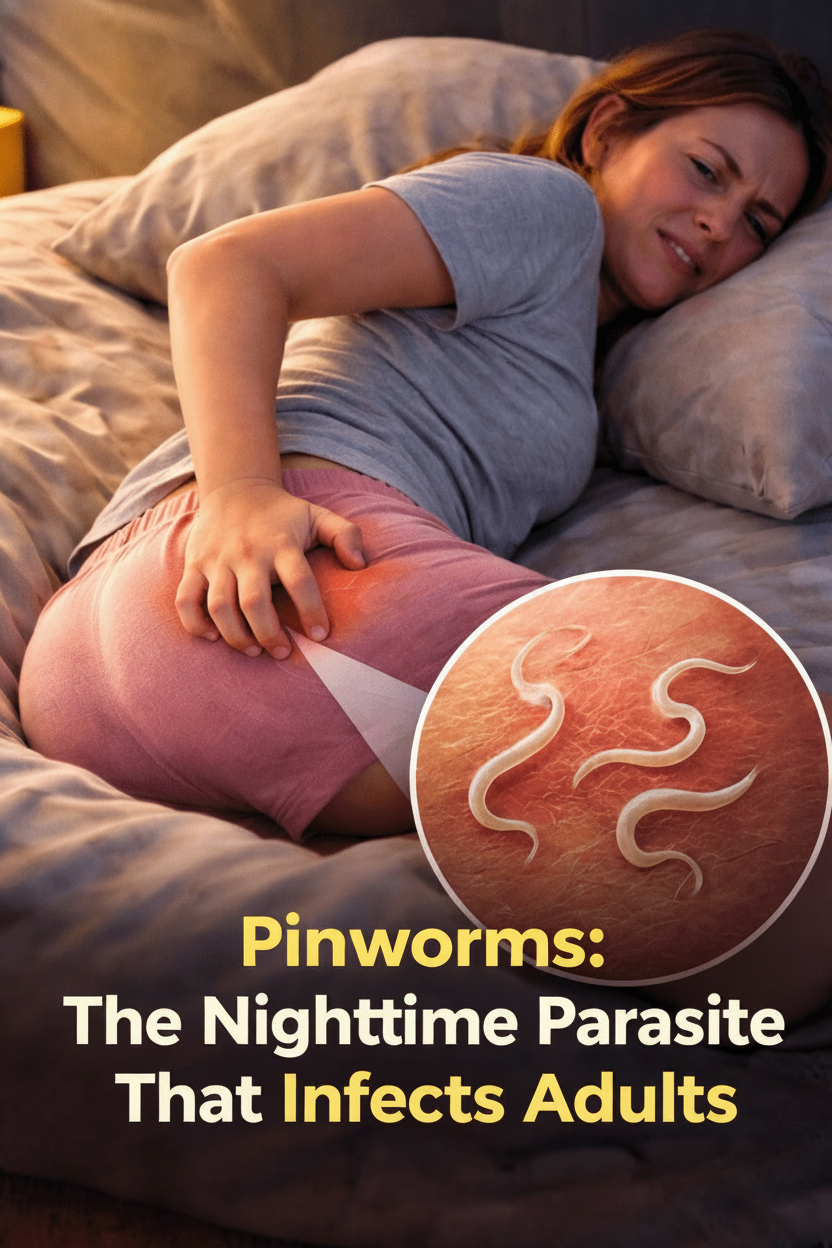
Alright, let’s get down to brass tacks. The culprit? These nasty little critters called pinworms. Think tiny, white threads, making themselves at home in your kid’s gut. They’re basically the most common infection among school-age kids, especially when they’re running wild between 5 and 10 years old. Seriously, these things are everywhere.
Now, here’s where it gets really unsettling: when night falls, the female worms get busy. They make a creepy crawl out to the skin around your child’s backside to lay their eggs. This whole movement, plus the sticky goo they use to glue those eggs down, is what triggers that intense, maddening itching. It’s the kind of itch that jolts kids awake or just flat-out prevents them from catching any Zs.
Research from the big health honchos confirms it: this itching frenzy mostly kicks off during sleep hours because that’s when these worms are living their best, most active life. The twisted part? Many kids show absolutely zero symptoms during the day, which means this whole mess can fly under your radar for weeks! And those eggs? They’re microscopic, invisible little devils that can cling to skin, clothes, bedding, and even every surface in your house for up to three weeks. That’s why this problem spreads like wildfire through families.
Common Signs Parents Should Watch For
So, how do you spot these unwelcome guests? Keep your eyes peeled for these tell-tale signs that often pop up together:
- Your kid is scratching their bottom like crazy, especially a few hours after they’ve finally settled into bed.
- Sleep is a battlefield: restless nights, constant tossing, and waking up way too often.
- The next day? Irritability, a short fuse, and just plain exhaustion because they didn’t get proper rest.
- Sometimes, if you look closely (and we mean *really* closely), you might spot tiny white threads – seriously, like the size of a staple – on their underwear in the morning or around their anal area at night. Yeah, it’s gross.
- For girls, there might be occasional vaginal itching or discomfort, which is just another layer of awful.
Don’t freak out if your kid doesn’t tick every single box, or if they seem totally fine. Some kids are stealth carriers. The real clue, the absolute dead giveaway, is the timing — that discomfort goes into overdrive when the house is silent and everyone’s desperately trying to sleep.
How Pinworms Spread So Easily in Families
Want to know why these parasites are such a pain to get rid of? It’s all in their ridiculously efficient life cycle. When your child scratches that itchy spot (and let’s be honest, who wouldn’t?), those microscopic eggs get trapped under their fingernails or all over their hands. From there, it’s a free-for-all: eggs transfer to toys, doorknobs, bedding, even food! Then, some other unsuspecting kid or family member swallows those eggs – often without even knowing it – and BAM! The whole horrifying cycle kicks off again inside their body. This is precisely why an entire household can get infected, even if only one child showed the first signs of trouble. Studies don’t lie: pinworm infections are a total menace, especially in kids who go to school or daycare, where close contact and shared spaces basically roll out the red carpet for transmission.
Simple Daily Habits That Make a Real Difference
Listen up! You don’t have to just sit there and take it. There are powerful, practical steps you can start RIGHT NOW to dial down the discomfort and slam the brakes on the spread. These are your secret weapons:
- Get serious about handwashing! Make sure your kids scrub those hands with soap and warm water like their life depends on it – after using the toilet, before every meal, and after playing. No shortcuts!
- Keep those fingernails trimmed super short and clean them daily. This is key to evicting any sneaky eggs trying to hide out.
- Opt for a morning shower instead of a bath. Showers are way better for washing away any eggs laid overnight and stop them from spreading in bathwater.
- Change underwear and pajamas EVERY single morning. Then, toss them straight into the hot wash.
- Wash all bedding, towels, and washcloths frequently in hot water, and blast them dry on high heat. This isn’t optional; it’s essential.
Trust me, these small tweaks aren’t some massive overhaul. They’re smart, simple changes that effectively break the cycle without turning your routine upside down.
What to Do When You Notice the Signs
Okay, so if this nighttime itching nightmare just keeps going, it’s time to call in the big guns: your child’s pediatrician. Don’t delay! A super simple test, often done right at home with a piece of clear tape pressed to the skin around the anus in the morning, can confirm what’s really going on. Your doctor will then tell you exactly what to do next to kick these invaders out. Honestly, countless families breathe a massive sigh of relief once they finally understand the real reason behind all those symptoms. The main goal here is a double punch: tackling the immediate discomfort AND shutting down the habits that let those eggs spread like crazy.
Household Cleaning Tips to Support Comfort
Beyond just personal hygiene, a few smart cleaning routines can seriously help reduce the chance of those stubborn eggs hanging around your home:
- Get that vacuum cleaner working overtime! Hit carpets, rugs, and any upholstered furniture regularly.
- Wipe down all those high-touch surfaces like light switches, doorknobs, and toys with a damp cloth. Think of it as an egg-hunt, but you’re the hunter.
- Whatever you do, AVOID shaking bedding or clothing like a madman. That just sends those microscopic eggs flying into the air, making things worse.
- When you’re dealing with an active issue, make it a family affair: wash everyone’s bedding and nightclothes at the exact same time.
These actions aren’t standalone fixes; they’re a powerful team, working hand-in-hand with good hand hygiene to create a cleaner, safer environment for your whole crew. Your family deserves peaceful nights, and we’re here to help you get them!
We hope this article shed some serious light on a frustrating problem. Don’t stop here! Dive into more of our expert tips on Herbal Medicine, Home Tips, and Healthy Life to keep your family thriving. Your well-being is our top priority!