 By admin
 Listen up! You might be blowing off those tired legs or puffy ankles as ‘just getting old’ or ‘a long day.’ But hold on a minute, because when that swelling sticks around like an unwanted guest, or climbing a few stairs feels like scaling Everest, your heart could be quietly screaming for help. That constant drag, those ankles blowing up like balloons by evening, or shoes suddenly feeling like concrete blocks? That’s not just discomfort; it’s a nagging worry about what’s really going on inside. Catching these early? That’s your superpower for staying ahead of the game. And here’s the kicker: there’s *one* sneaky sign in your lower body that most people completely miss, but it’s a huge clue. Stick with me, because you absolutely need to know what it is and why it’s a game-changer.
What Congestive Heart Failure Means for Your Lower Body
Alright, let’s get real about what ‘congestive heart failure’ actually means for *you*, especially down below. Basically, your ticker isn’t pumping blood with the oomph it should. Think of it like a clogged drain – instead of blood flowing smoothly, fluid starts backing up, pooling where gravity dictates. And guess what’s at the bottom of the gravity well? Yep, your legs, ankles, and feet.
The American Heart Association isn’t messing around; they say this fluid buildup, what doctors call edema, is one of the first things you’ll actually *see* in your daily life. It’s not always a drama queen at first, which is exactly why so many folks miss the memo until symptoms really build up. But don’t you dare think that’s the whole story. Big-shot research from places like Mayo Clinic proves these lower-body weirdnesses can pop up *way before* more obvious signs like shortness of breath become regular. Knowing what to keep an eye on? That’s your early warning system, giving you the ammo to talk straight with your doctor about your heart’s pumping ability.
The 12 Common Symptoms That May Appear in Your Legs and Feet
Alright, no beating around the bush. Here are the 12 signs your legs and feet might be flashing when your heart’s not pulling its weight. Just a heads up: these bad boys can have other causes, too, so don’t play doctor. Get a pro to check ’em out, especially when dealing with potential heart failure symptoms.
- Swelling in the Ankles, Feet, and Lower Legs (The Puffy Problem): This is often the *first* alarm bell. We’re talking about that soft, squishy puffiness that gets worse as your day drags on or after you’ve been parked for too long. Your legs and feet just look… bigger.
- Pitting Edema (The Dent Test): Here’s a quick test. Press your finger into that swollen area for a few seconds, then lift it. If you’re left with a little dent that sticks around like a bad memory, that’s pitting edema. It’s a classic sign of fluid retention directly tied to your heart function.
- Sudden or Unexplained Weight Gain (The Mystery Pounds): Suddenly packed on two or three pounds in a single day? Or five pounds in a week? That’s often not extra pizza; it’s fluid buildup, and guess where it loves to show up first? Yep, your lower body.
- Shiny or Stretched Skin on the Legs and Feet (The ‘Too Tight’ Look): Your skin might start looking unnaturally tight and glossy, almost like it’s shrink-wrapped. That’s because the tissues underneath are literally bursting with extra fluid.
- Heavy or Tired Legs (The Lead Leg Syndrome): Your legs feel like they’re filled with lead, unusually heavy or weak, even after just a little bit of activity. Simple walks become a marathon, leaving your legs feeling tired beyond belief.
- Cold Feet or Lower Legs (The Ice Box Effect): Even if the room’s warm or you’re rocking thick socks, your feet might feel like ice blocks. This chill is often a red flag that your circulation isn’t doing its job properly.
- Blue, Purple, or Dusky Skin Discoloration (The Color Change Alarm): Take a look at your skin on your legs or feet. If it’s taking on a weird bluish, purplish, or grayish tint, especially when your heart is struggling to push blood around, that’s a serious warning sign.
- Leg Cramps or Pain While Walking (The Stop-and-Go Ache): Some folks notice a nasty ache or cramp in their calves that only gets better when they rest. While other circulation issues can cause this, it’s worth noting if your legs hurt during walks.
- Muscle Weakness in the Legs (The ‘Can’t Do It’ Feeling): Everyday moves like tackling stairs or just standing up from a chair suddenly feel like a Herculean effort. Your leg muscles just give out too fast.
- Slow-Healing Sores or Cuts on the Legs or Feet (The Lingering Wounds): Got a little nick or cut on your legs or feet that just won’t heal? Reduced blood flow messes with your body’s ability to repair tissue, making minor injuries a big deal.
- Tightness or Discomfort When Wearing Shoes or Socks (The Squeeze Play): Those shoes that used to fit like a glove? Now they feel like they’re trying to amputate your feet as swelling kicks in. Your socks might feel uncomfortably tight too.
- Deep Sock or Shoe Marks That Linger (The Indentation Impression): If the marks from your socks or shoes hang around for *hours* after you take them off, that’s another undeniable clue that fluid is making itself at home in your lower body.
But hold up – don’t go anywhere! There’s a crucial piece of this puzzle that’ll make your jaw drop. Get ready for the surprising truth.
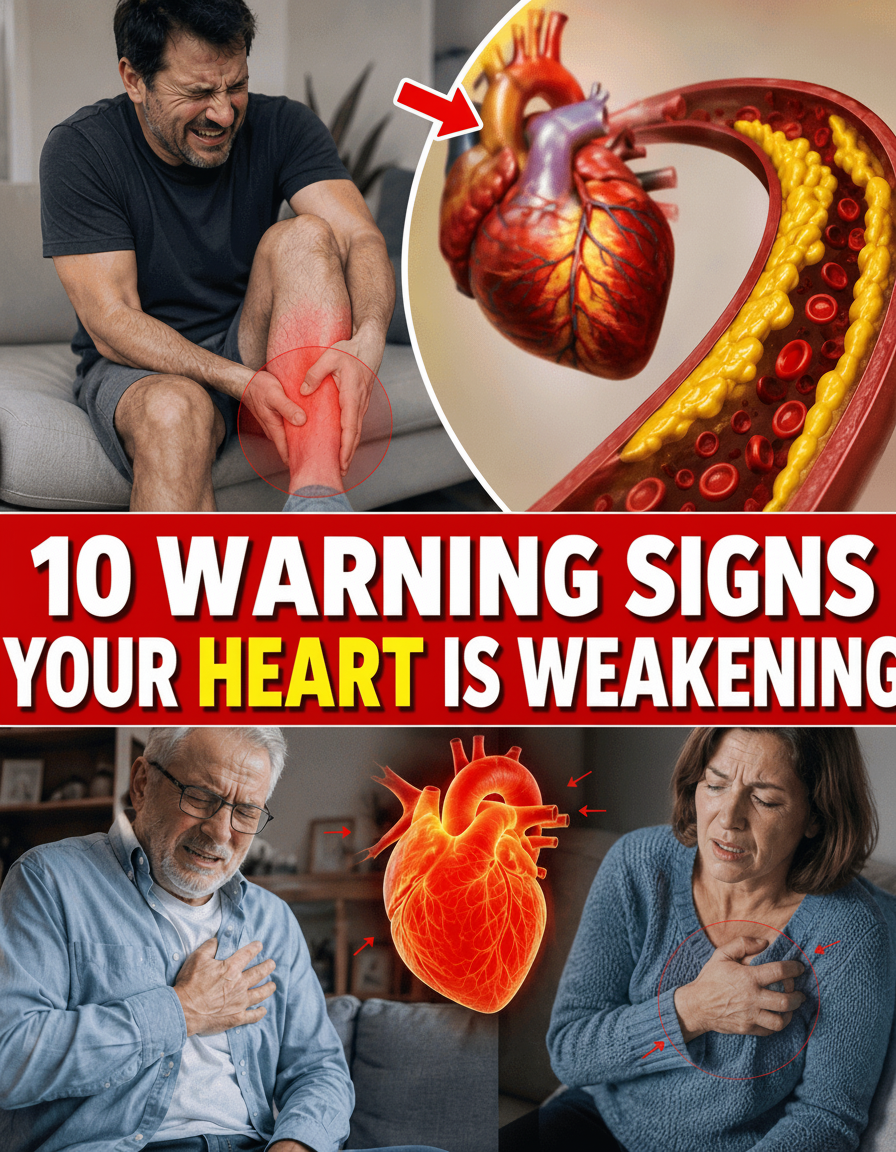
Why These Symptoms Often Start in the Legs and Feet First
Ever wonder why your legs and feet are the first to sound the alarm? It’s all about gravity, baby! When your heart isn’t pumping blood like a champ, fluid starts escaping from your blood vessels and just hangs out in the surrounding tissues. And where does it naturally go? Straight to the lowest points – your legs and feet.
Studies, even from powerhouses like the Cleveland Clinic, back this up: many people catch onto heart-related issues through these lower-body signals *long before* other, more obvious symptoms even dare to show their face. The silver lining? Paying attention to your legs and feet gives you a simple, daily radar to keep tabs on what your body’s really up to.
Simple Steps You Can Take to Monitor Change
Alright, superstar! You’ve just armed yourself with some seriously vital knowledge about congestive heart failure symptoms and how they show up in your legs and feet. We poured our hearts into making sure this article gives you the real talk, no fluff, so you can stay ahead of the game with your health. Your well-being is our top priority, and we’re thrilled you trust us to deliver high-quality, actionable insights.
Keep that amazing curiosity alive and don’t stop here! Dive deeper into our other expert articles on Healthy Life and Herbal Medicine to keep empowering yourself with knowledge. Your health journey matters, and we’re here to support every step of the way. Thanks for being such an awesome reader!